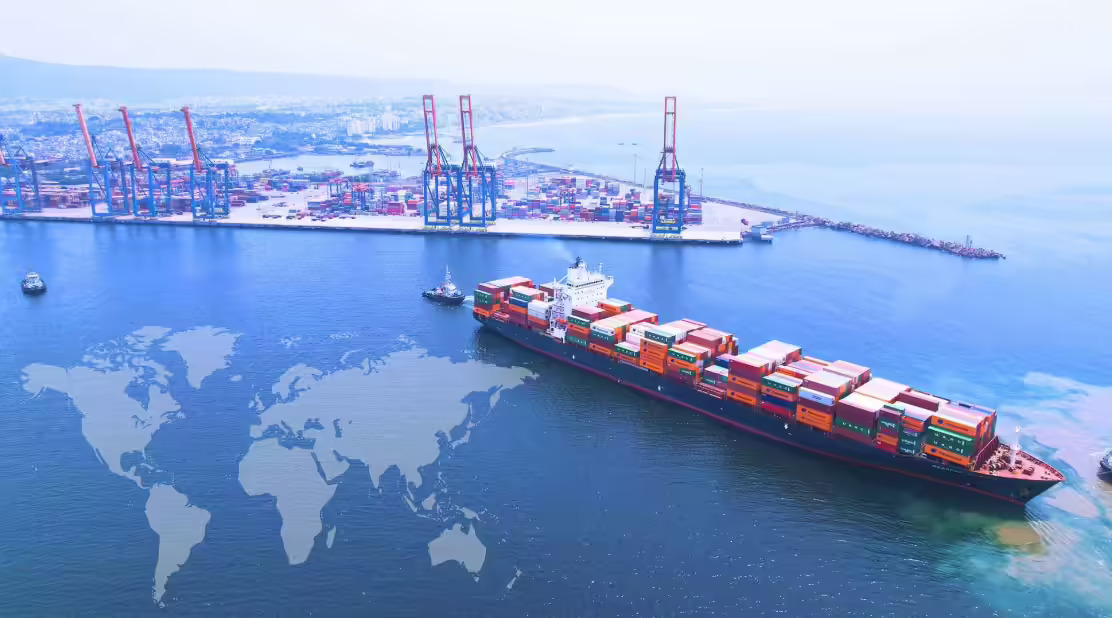
Visakhapatnam Port has emerged as India’s foremost gateway for seafood exports, reinforcing its position as a strategic hub for marine trade. In FY24, the port facilitated shipments worth $2.19 billion, accounting for nearly 30 per cent of the country’s total seafood exports of $7.38 billion, according to data from the Marine Products Export Development Authority (MPEDA).
The Indian seafood sector demonstrated resilience in FY25, achieving export revenues of $7.45 billion despite a slight decline in volumes from 17.81 lakh tonnes to 16.98 lakh tonnes. High-value products such as frozen shrimp, which contributed $5.17 billion, underpinned revenue stability, highlighting India’s capacity to maintain market share amid global trade pressures. Frozen fish and squid also added significant value, reflecting the sector’s diversified export portfolio. Key international markets included the United States ($2.71 billion), China ($1.27 billion), the European Union ($1.12 billion), Southeast Asia ($974.99 million), Japan ($411.55 million), and the Middle East ($278.31 million). Officials note that this geographic diversification enhances India’s ability to meet evolving consumer demands across continents.
Experts attribute Vizag Port’s leading role to its robust infrastructure, including a deep-draft private container terminal capable of handling vessels with drafts up to 16 metres and a 6 lakh TEU capacity. The terminal’s design allows three vessels to berth simultaneously, reducing congestion and ensuring timely cargo handling. Integrated rail and road connectivity further accelerates movement from processing centres to the port, preserving the integrity of temperature-sensitive shipments. The port’s advanced cold chain facilities, featuring 650 reefer sockets with 24-hour backup power, ensure uninterrupted storage for seafood exports. Automated temperature monitoring systems maintain cargo at optimal conditions, a critical factor for high-value products such as shrimp and squid. The proximity of 17 seafood processing plants and 10 hatcheries, including major exporters, strengthens the supply chain and ensures consistent product quality for international markets.
Modernisation and sustainability are central to Vizag Port’s operations. Investments in mechanised loading systems, automated warehouse management, digital cargo tracking, and solar-powered infrastructure have improved efficiency while reducing environmental impact. Compliance with MPEDA standards ensures adherence to food safety and international certification requirements, supporting India’s reputation in global seafood trade. Looking ahead, India aims to achieve $14 billion in seafood exports by 2030, with value-added products playing a key role. Government initiatives, including support for deep-sea fishing and reduced import duties on feed ingredients, are expected to enhance competitiveness and expand the sector’s global footprint. With its advanced infrastructure, sustainable practices, and strategic location, Visakhapatnam Port is poised to remain the backbone of India’s seafood export growth.
Visakhapatnam Port Becomes India Leading Seafood Export Hub