


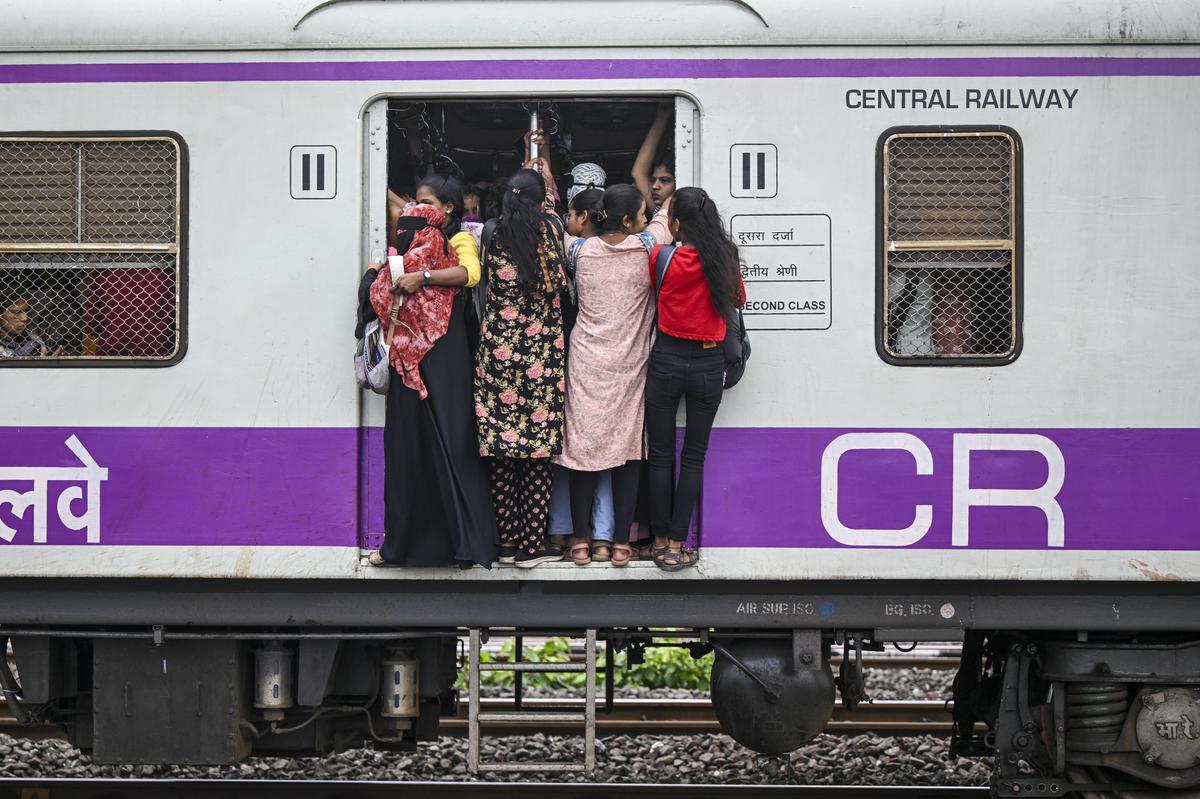
Chennai’s vital suburban rail network, the city’s economic artery, recently faced a significant interruption, bringing into sharp focus the vulnerabilities within its infrastructure. A key service was halted for approximately half an hour near Guindy, leaving hundreds of commuters stranded. The delay, officially attributed to “monsoon preparedness” involving the pruning of tree branches, highlights a critical issue: the reliance on reactive, rather than proactive, maintenance. This incident serves as a crucial case study in the intersection of climate change and urban resilience, prompting a re-evaluation of how a metropolis plans for and mitigates climate-related operational disruptions.
The immediate fallout of the mid-morning snag was acutely felt by daily passengers, who rely on the network’s efficiency for their livelihoods. The disruption caused palpable frustration among commuters, who expressed concern over the lack of timely communication. For thousands of office-goers and students, a delay of even a few minutes can lead to missed opportunities and significant inconvenience. The incident underscores a fundamental challenge for the transport corporation: how to prioritise the safety and convenience of its two-lakh-strong passenger base while conducting essential maintenance work in a predictable and transparent manner. The absence of an effective communication protocol exacerbated the logistical bottleneck, exposing a key weakness in the system’s operational framework.
From a business journalistic perspective, this event signals a deeper systemic issue. Experts argue that such reactive interventions are a symptom of a larger problem: the failure to integrate long-term climate adaptation strategies into infrastructure planning. The regular occurrence of heavy rainfall necessitates a paradigm shift from seasonal crisis management to continuous, year-round preparedness. The pruning of trees, an ostensibly simple task, becomes a complex logistical exercise when not managed proactively. Rail activists and urban infrastructure experts highlight that scheduled, preventive measures are far more efficient and equitable than last-minute actions that punish the general public with delays and uncertainty.
This incident, while seemingly minor, holds major implications for Chennai’s journey towards becoming a zero-net-carbon and sustainable city. As climate change intensifies monsoon patterns, the city’s aging infrastructure will face increasing pressure. The solution lies not just in better maintenance but in a holistic, eco-friendly urban blueprint. This includes investing in sustainable land management practices, promoting the use of natural drainage systems, and designing a multi-modal transport network that can withstand environmental shocks. An equitable approach would also ensure that these climate-resilient upgrades benefit all citizens, particularly the most vulnerable, who are disproportionately affected by disruptions to public services.
Ultimately, the Guindy rail halt is a powerful reminder that an urban hub’s resilience is directly tied to the foresight of its policymakers and planners. A sustainable, equitable, and gender-neutral city can only be built on a foundation of proactive governance and a steadfast commitment to climate-proof infrastructure. This incident provides an opportunity for the city to move beyond short-term fixes and to invest in a durable and secure future for its entire populace.
Also Read :Mumbai Secures 39 Driverless Trains for Metro Line 4
Suburban Train Halted 22 Minutes in Guindy, Stranding Hundreds
