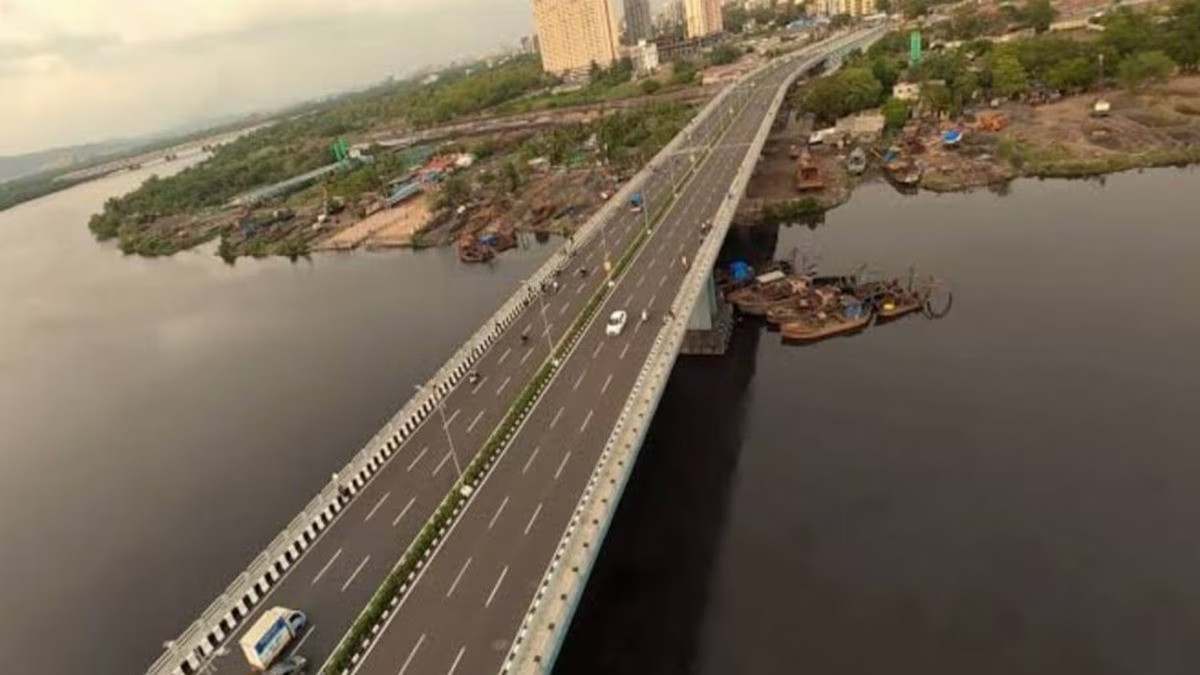
Mumbais Mankoli Flyover To Close For Ganpati Immersion
To manage the immense human and vehicular traffic during the Ganeshotsav festival, the transport department has announced the temporary closure of the Mankoli Flyover in Dombivli. This decision, aimed at ensuring public safety and streamlining mobility, reflects a growing commitment to developing more sustainable and equitable urban infrastructure. By proactively rerouting traffic and prioritising pedestrian movement, authorities are striving to create a low-carbon footprint environment during the festive period. This forward-thinking approach is essential for cities like Mumbai, which are constantly balancing rapid urban development with the need for eco-friendly solutions.
The closure of the flyover is a direct response to the anticipated surge in crowds heading to the Mothagaon Retibandar Ghat, a popular immersion point for Ganpati and Gauri idols. The flyover will be inaccessible to vehicles from noon to midnight on four specific dates: August 28, August 31, September 2, and September 6. These dates correspond with the one-and-a-half, five, seven-day, and final Anant Chaturdashi immersion ceremonies. An official from the transport department, speaking on the condition of anonymity, stated that the decision was a crucial step to prevent severe traffic congestion and to ensure a safe and orderly procession for devotees. The Mankoli Flyover, since its inauguration, has become a vital artery connecting Thane, Mumbai, and Bhiwandi, and its temporary closure is a significant logistic undertaking.
The traffic management plan is designed to minimise disruption for daily commuters while facilitating a safe passage for the festive crowds. Vehicles travelling from Thane and Mumbai that would typically use the flyover will now be diverted via Anjurphata and the Bhiwandi bypass. This rerouting is a calculated measure to distribute the traffic load and avoid a gridlock on the main roads leading to the immersion site. Similarly, commuters from Kalyan, Ambernath, Badlapur, and Navi Mumbai will be redirected from Patri Bridge and Manpada Chowk towards the Durgadi and Gandhar Bridge route. This multilayered approach to traffic diversion demonstrates a comprehensive understanding of the city’s complex transport network and the need for flexible, adaptive solutions during periods of high demand.
For local traffic, a separate set of diversions has been put in place. Vehicles originating from Thakurli and Dombivli, which use the Thakurli or Kopar Bridge, will be guided towards the Durgadi and Gandhar Bridges instead. This strategic redirection of local traffic away from the main procession routes is key to ensuring a smooth and uninterrupted flow. The entire plan is a testament to the city’s commitment to gender-neutral and equitable urban planning, as it ensures that all citizens, regardless of their mode of transport, can participate in the festivities without facing unnecessary hurdles.
By adopting these proactive measures, Mumbai is setting a precedent for other cities on how to manage large-scale events in a sustainable manner. The focus on rerouting traffic to prevent congestion is not just about convenience; it is a critical component of a zero-net-carbon strategy. Less idling traffic means reduced vehicular emissions, contributing directly to a cleaner urban environment. The collective effort of the transport department, police, and citizens to follow these guidelines will play a pivotal role in the success of this initiative, transforming a traditionally chaotic period into a model of orderly and eco-conscious urban celebration.