


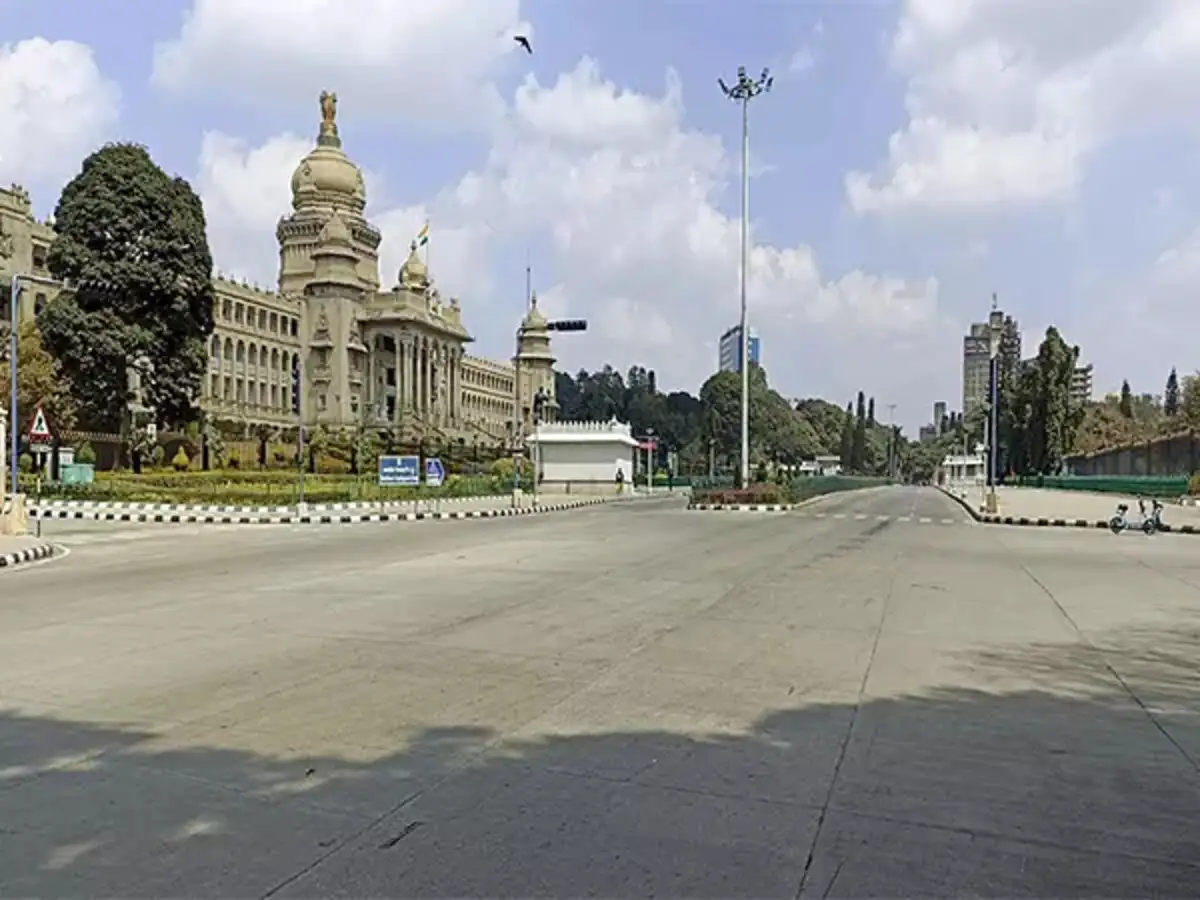
Bengaluru is on the cusp of a major civic transformation, as the long-standing Bruhat Bengaluru Mahanagara Palike (BBMP) will officially be replaced by the Greater Bengaluru Authority (GBA) and five newly constituted municipal corporations from September 2. This marks the end of one administrative chapter and the beginning of a decentralised governance structure designed to bring civic management closer to the people.
In the run-up to the transition, senior officials have been holding marathon meetings to restructure responsibilities and ensure a seamless handover of services. The state government is expected to appoint commissioners for each of the five corporations, alongside special commissioners for the GBA, within the next few days. Until dedicated headquarters are established, existing zonal offices will act as interim bases for the new entities, with Hudson Circle continuing as a key hub for Bengaluru East Corporation.Each municipal corporation will function under its commissioner, supported by a joint commissioner for revenue and two chief engineers. In a significant shift, responsibilities for roads, lakes, and storm water drains will be consolidated under the same engineering leadership. At the GBA level, four special commissioners are likely to oversee finance, health, revenue, and climate change signalling a more specialised focus on critical urban challenges.
Also Watch: An Exclusive Interview with Sanjeev Jaiswal (IAS), CEO MHADA
However, the restructuring has not been without uncertainties. Officials acknowledge there is still ambiguity regarding the distribution of powers between the GBA and the urban development department, particularly over financial approvals, project sanctions, and senior appointments. Clarifying these roles will be crucial to avoid bureaucratic overlaps that could affect service delivery.From September 3, the government also plans to establish a delimitation commission to redefine ward boundaries, a process expected to continue until early November. This step is seen as critical to balancing representation across the newly created corporations, ensuring that the scale of governance aligns with the city’s rapid population growth.Experts tracking the reforms argue that the shift could reshape Bengaluru’s civic governance if implemented effectively.
They note that decentralisation has the potential to create more responsive and accountable administrations, provided there is clarity on jurisdiction and adequate resourcing. Environmental specialists further emphasise that placing lakes and storm water drains under direct corporation oversight could enable more coordinated action against flooding and climate-related vulnerabilities.While officials have assured residents that the transition will not disrupt basic services, public interest lies in whether the new model can deliver on its promise of efficiency and inclusivity. Bengaluru’s expansion has long outpaced its civic infrastructure, and the GBA experiment will be closely watched as a possible template for sustainable urban management across India.
