Kolhapur Floodwaters Recede And Highways Reopen For Traffic
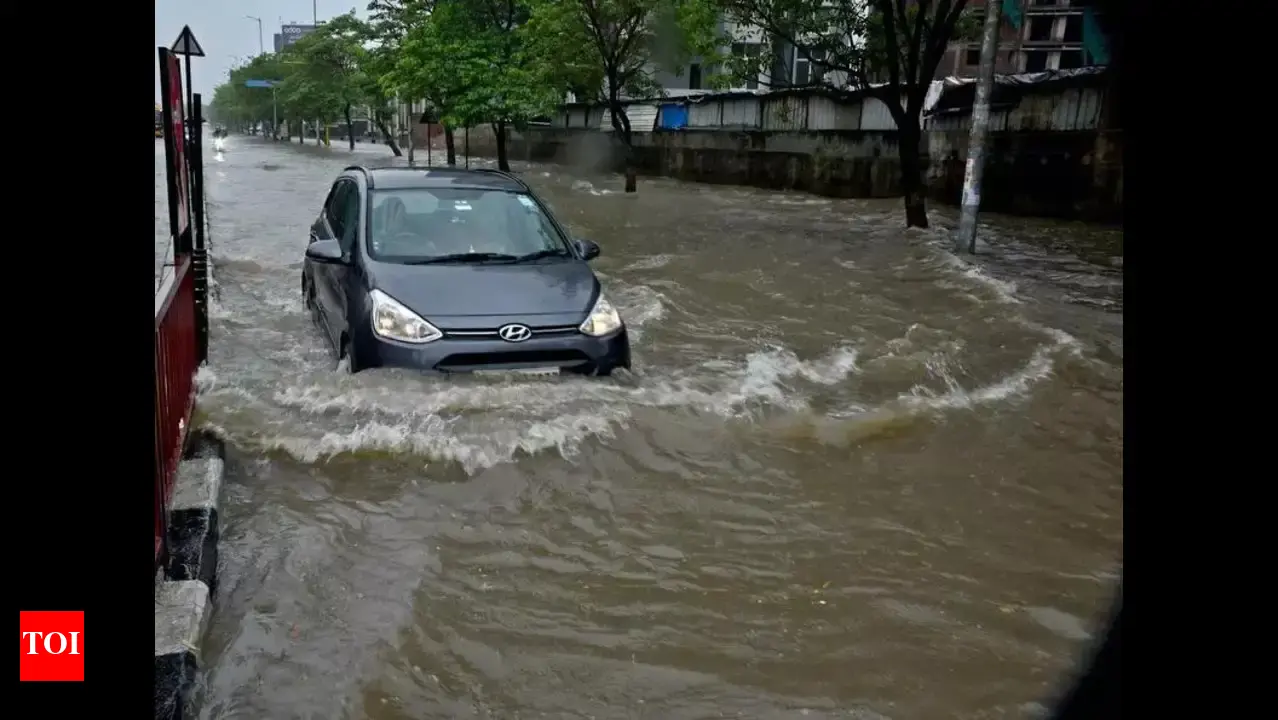
Flood-hit Kolhapur and Sangli districts reported visible relief as major dams closed their gates, halting discharge into rivers and helping water levels steadily decline. The easing situation has allowed the reopening of highways linking Kolhapur to Ratnagiri, Radhanagari and Devgad, alongside arterial routes connecting the city to the Pune–Bengaluru National Highway. The resumption of road connectivity has offered residents and traders a much-needed sense of normalcy after days of disruption.
In the past 24 hours, the Krishna river in Sangli fell by nearly 12 feet, flowing well below the official warning mark. At Irwin Bridge, the river level stood at 30 feet 9 inches on Saturday evening, against the danger level of 45 feet. In Kolhapur city, the Panchaganga river dropped to 38 feet 9 inches by night, sliding under its 39-foot warning threshold. This decline has allowed controlled discharge from the Rajaram Barrage and provided respite to flood-prone neighbourhoods.
Even as water levels fell, parts of the Shirol region remained under stress, with several low-lying villages and religious sites still submerged. Emergency teams are continuing surveillance of vulnerable pockets while ensuring temporary shelters remain stocked with supplies. Experts have pointed out that the prolonged submergence of agricultural lands will affect crop cycles, warranting timely compensation and support for affected farmers.
District officials confirmed that cleaning drives and disinfectant spraying were being rolled out to prevent waterborne diseases, a recurring post-flood challenge. Lessons from past floods in 2019 and 2021 are shaping the relief blueprint, with renewed emphasis on preventive health measures, waste clearance, and disease surveillance in relief camps. Public health specialists warned that neglecting these measures could lead to outbreaks that worsen the crisis even after water recedes. The reopening of key highways is also significant for the local economy. Traders transporting agricultural produce and essential goods had faced bottlenecks for nearly a week. The restored connectivity is expected to revive supply chains, reduce transport costs, and stabilise daily markets. Infrastructure experts stressed that resilient road networks built with sustainable technologies must form part of long-term planning to reduce vulnerability in future flood events.
Officials undertaking field inspections reiterated the urgency of preparing proposals for temporary and permanent relocation of flood-hit communities. With extreme rainfall events becoming more frequent, urban planners are advocating climate-resilient zoning, green embankments, and adaptive settlement design as critical interventions. Analysts noted that unless flood-prone regions are developed with a sustainability-first approach, relief efforts will remain cyclical and expensive. By Saturday evening, light drizzles replaced the torrential rains of the previous week, further easing pressure on rivers. While the situation is gradually stabilising, both Kolhapur and Sangli remain cautious, with the focus shifting from immediate disaster control to long-term resilience. For residents, the retreating waters have brought temporary relief, but for policymakers, the challenge lies in ensuring that recovery translates into sustainable safeguards against recurring monsoon floods.