Ahmedabad urban projects, Gandhinagar development, slum rehabilitation Ahmedabad, Gujarat urban upgrade, eco friendly housing India, sustainable city projects, clean water Gujarat, traffic easing Ahmedabad
Ahmedabad and Gandhinagar are preparing for a new wave of urban transformation as projects worth ₹2,548 crore are inaugurated and foundation stones laid this week. The move is seen as a milestone in Gujarat’s two-decade journey of city modernisation, aligning with the state’s celebration of the Urban Development Year.
In Ahmedabad, projects valued at over ₹2,260 crore will reshape neighbourhoods and transport corridors. Among the most significant is a slum rehabilitation initiative that will relocate and redevelop 1,449 informal settlements in Ramapir Tekra under the Pradhan Mantri Awas Yojana (Urban). The housing units, supported by solar rooftops, piped natural gas connections, community centres, and early childhood facilities, represent a shift towards dignified, climate-conscious living for thousands of families who have long faced precarious conditions. Urban planners describe the scheme as a critical intervention in reducing inequality and moving towards inclusive, sustainable housing.
Alongside housing, Ahmedabad is seeing major investments in clean water infrastructure. The Ahmedabad Urban Development Authority (AUDA) has advanced projects including a 15-lakh-litre pump station and a 23-kilometre trunk main pipeline designed to secure drinking water supply for 10 villages in Daskroi taluka. With recurring water stress in peri-urban belts, experts suggest such projects are vital for building resilience against climate-related scarcity.
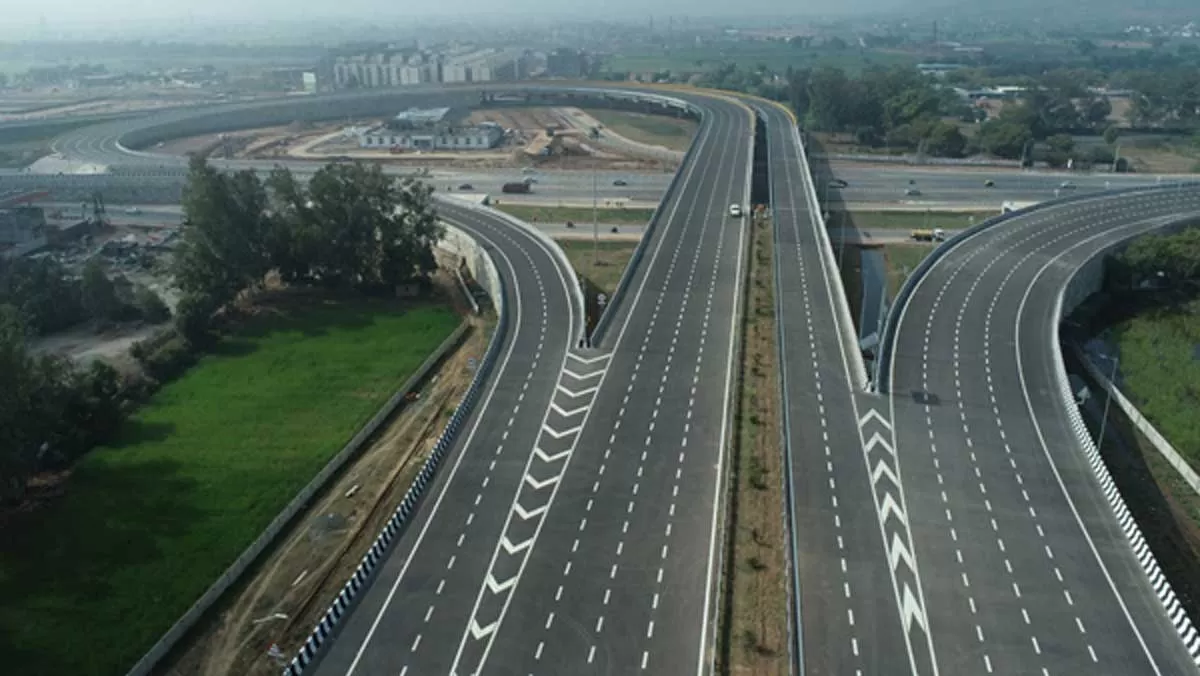
The city’s transport system is also under scrutiny. Foundation stones will be laid for new drainage networks, water distribution facilities, and the four-lane Asarwa railway overbridge to ease bottlenecks. Of particular note is the ₹1,624 crore plan to convert a key arterial four-lane road into a six-lane expressway with controlled access, complemented by 62 kilometres of service roads. Mobility experts argue this expansion is necessary to accommodate growing commuter traffic, but stress that it must be balanced with investment in public and non-motorised transport to avoid future congestion and emissions. In Gandhinagar, the focus lies on water security, sanitation, and drainage systems, with projects worth ₹281 crore being unveiled. The Gandhinagar Municipal Corporation is rolling out new pipelines from Charedi Headworks to supply clean water to more than 55,000 residents. Additional investments target flood mitigation and continuous sanitation services, which local officials say are essential for safeguarding the city’s liveability amid erratic monsoon patterns.
Further, the Gandhinagar Urban Development Authority has cleared projects for sewage treatment plants and village-level drainage in Dabhoda, expected to improve quality of life for 17,000 residents. Plans are also underway for storm water drainage in Pethapur and a new road parallel to the Metro Rail between Dholakuva and Pancheshwar Circle, enhancing connectivity with surrounding zones. These projects are more than a physical upgrade; they are being viewed as a test case of Gujarat’s ability to merge infrastructure growth with environmental responsibility. Experts emphasise that the success of this ₹2,548 crore push will depend on ensuring that sustainability and inclusivity remain at the core of the design, execution, and governance.