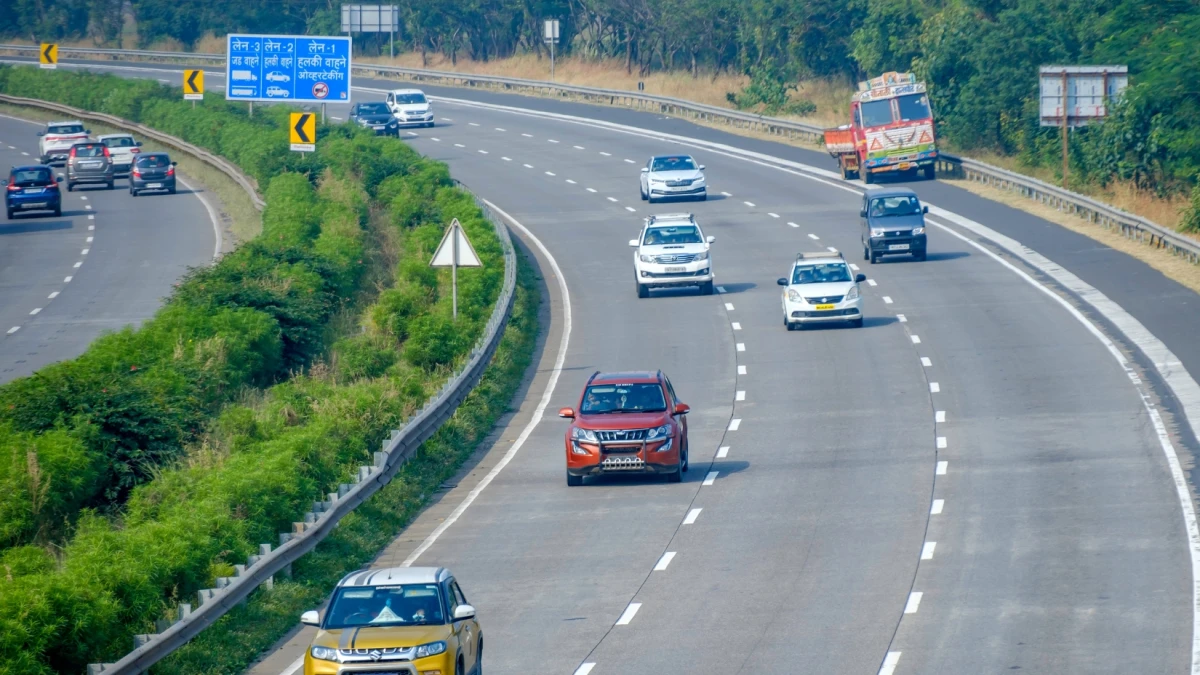
Mumbai Goa Highway Bans Heavy Vehicles During Ganesh Festival Travel
Mumbai–Goa highway, a vital route for thousands of devotees heading home for Ganesh festival, will see a temporary restriction on heavy vehicles to ensure smoother travel this year. Starting 23 August, vehicles weighing over 16 tonnes will not be allowed on the corridor during peak festive movement. The decision has been taken by the Raigad district administration following growing congestion and public concerns over long travel delays.
The curbs will remain in effect during three windows: from 23 August evening until 29 August midnight, then between 2 September morning and 4 September evening, and again from 6 September to 8 September. Officials said the traffic plan is designed to reduce road blocks and prevent the recurring gridlock that has marred festive journeys in the past. Authorities have also mapped out a detailed assistance framework for travellers.
Along the highway, temporary centres will provide medical aid, emergency ambulance services, tyre repair stations, and hydration points offering water, oral rehydration solution, and light refreshments. Police help desks and women-friendly rest facilities are also being set up to create a safer and more inclusive environment for commuters.
Security remains a key priority. Additional police, home guards, and reserve forces will be deployed across Raigad. Dedicated anti-terror and cyber surveillance units have been pressed into service to prevent disruptions. Officials confirmed that joint village committees and community peace groups are coordinating to maintain order and ensure the journey is safe for families. The restrictions are significant as the Mumbai–Goa highway has been under prolonged construction, with infrastructure delays frustrating both daily commuters and long-distance travellers. This has prompted civil groups to voice discontent, and in some cases, even call for symbolic protests. Despite these challenges, officials stress that prioritising smooth passage during Ganesh festival remains central to public welfare.
For many households across Mumbai, Pune, and Konkan, the highway is more than a road link – it is a cultural route connecting urban migrants to their native villages for the state’s most celebrated festival. By easing congestion, the administration hopes to reduce travel times, cut fuel wastage, and limit vehicular emissions during the high-demand season. While travellers may still face some inconvenience due to roadwork and diversions, the planned curbs reflect an attempt at balancing tradition with efficiency. In the long run, experts believe that sustainable traffic management on highways, including designated freight corridors, will be essential to support eco-friendly and equitable urban–rural mobility.