


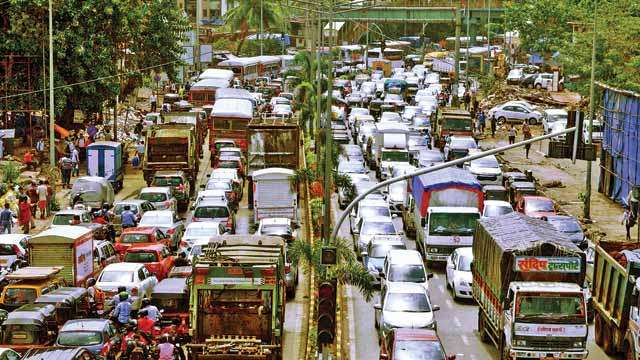
Maharashtra’s infrastructure ambitions have gained renewed momentum with the state government instructing agencies to expedite the ₹960-crore Yeola bypass project, a vital link aimed at easing congestion and enhancing regional mobility in Nashik district. The four-lane highway initiative, stretching across 76 kilometres, is designed to divert heavy traffic away from Yeola city while strengthening connections to neighbouring towns.
At a recent review meeting in Nashik, senior officials directed project managers to accelerate the Detailed Project Report and ensure smooth land acquisition. Authorities stressed that the bypass must not only reduce vehicular pressure inside Yeola but also lay the foundation for a sustainable road network that balances growth with environmental concerns.The proposed alignment seeks to connect the Kopargaon–Yeola–Manmad–Malegaon corridor, forming a crucial transport artery under the Kumbh Mela Road Development Programme. With financial backing already secured, the highway has been prioritised to support both long-haul transporters and daily commuters. The project is expected to reshape Yeola’s urban fabric by shifting heavy vehicle movement out of the city centre, thereby reducing noise, air pollution and fuel wastage caused by traffic snarls.
Also Watch: An Exclusive Interview with Sanjeev Jaiswal (IAS), CEO MHADA
Officials reviewing the plan highlighted the importance of forward-looking design principles. They underscored the need to integrate modern engineering with sustainable practices, ensuring minimal ecological disruption during construction. Experts noted that a well-executed bypass can bring measurable reductions in carbon emissions by shortening travel distances and avoiding gridlock.
Urban planners point out that this development could also improve Yeola’s readiness to accommodate future economic and demographic growth. By prioritising safe and efficient transport corridors, the project aligns with the state’s broader agenda of creating resilient, climate-responsive infrastructure. With Nashik positioned as a key node in Maharashtra’s logistics network, the Yeola bypass could serve as a model for how highway expansion can support urban sustainability rather than compromise it.
The Public Works Department has been asked to maintain strict monitoring of timelines to prevent project delays, which often escalate costs and inconvenience the public. Senior officials have also been tasked with community engagement, ensuring that local stakeholders are kept informed as land acquisition and construction phases progress. While challenges remain, particularly in synchronising land procurement with engineering works, the project reflects a growing shift in state policy one that recognises mobility as a driver of equitable development. The Yeola bypass, once completed, is expected to improve quality of life for residents, streamline goods movement for businesses, and reduce environmental stress from unplanned traffic congestion.
