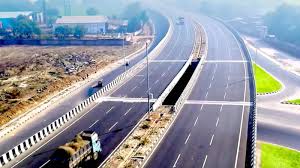
Punes Vital Elevated Corridor Project Gets New Momentum To Ease Gridlock
Union officials are fast-tracking a long-delayed elevated corridor project to ease the city’s crippling traffic congestion, a move experts say is crucial for building a more sustainable and equitable urban future. A directive has been issued to the National Highways Authority of India (NHAI) to accelerate the proposed Pune Elevated Corridor on the Pune–Bengaluru Highway, with a mandate to concurrently initiate the tendering process to prevent further delays once the necessary approvals are secured.
The ambitious infrastructure project, a 32-kilometre elevated corridor planned between Dehu Road and Narhe, has been in limbo for nearly four years. Officials confirm the delay was due to an arbitration dispute with an existing concessionaire responsible for the wider highway stretch. However, with the legal resolution now in sight, the focus has shifted to swift implementation. The corridor is strategically divided into two packages: the first connecting Dehu Road to Pashan-Sus and the second extending from Pashan-Sus to Narhe. This two-pronged approach is designed to systematically tackle one of the city’s most significant traffic bottlenecks.
For a city at the forefront of India’s technological and industrial growth, seamless connectivity is the lifeblood of its economy. Commuters, particularly the thousands of IT professionals in the Hinjewadi area, face a daily ordeal navigating the heavily choked highway during peak hours. This proposed corridor is not merely a construction project; it is a vital intervention aimed at reclaiming precious hours from gridlock, enhancing productivity, and improving the quality of life for a diverse populace. The decision to extend the corridor to Pashan-Sus, following requests from local residents and professionals, underscores a project designed with the human element at its core.
The emphasis on this project aligns with a broader vision for creating sustainable and eco-friendly urban centres. By providing a streamlined, high-speed thoroughfare, the elevated corridor is expected to significantly reduce vehicle idling and fuel consumption, leading to a palpable decrease in carbon emissions. This shift toward efficient infrastructure is a cornerstone of a zero-net carbon strategy for modern cities. Furthermore, by improving accessibility, the corridor supports a more equitable urban landscape, ensuring that residents from all socioeconomic backgrounds have reliable and safe access to employment centres and essential services.
Complementing the elevated corridor, the NHAI is also set to begin widening the service roads along the highway within the Pimpri-Chinchwad Municipal Corporation (PCMC) limits. This project, which involves expanding the roads from 12 metres to 24 metres on both sides, will further alleviate congestion and provide smoother local connectivity. The dual effort underscores a comprehensive approach to modernising a crucial lifeline and serves as a promising example of how strategic infrastructure development can both bolster economic activity and contribute to a greener, more accessible urban ecosystem for everyone.