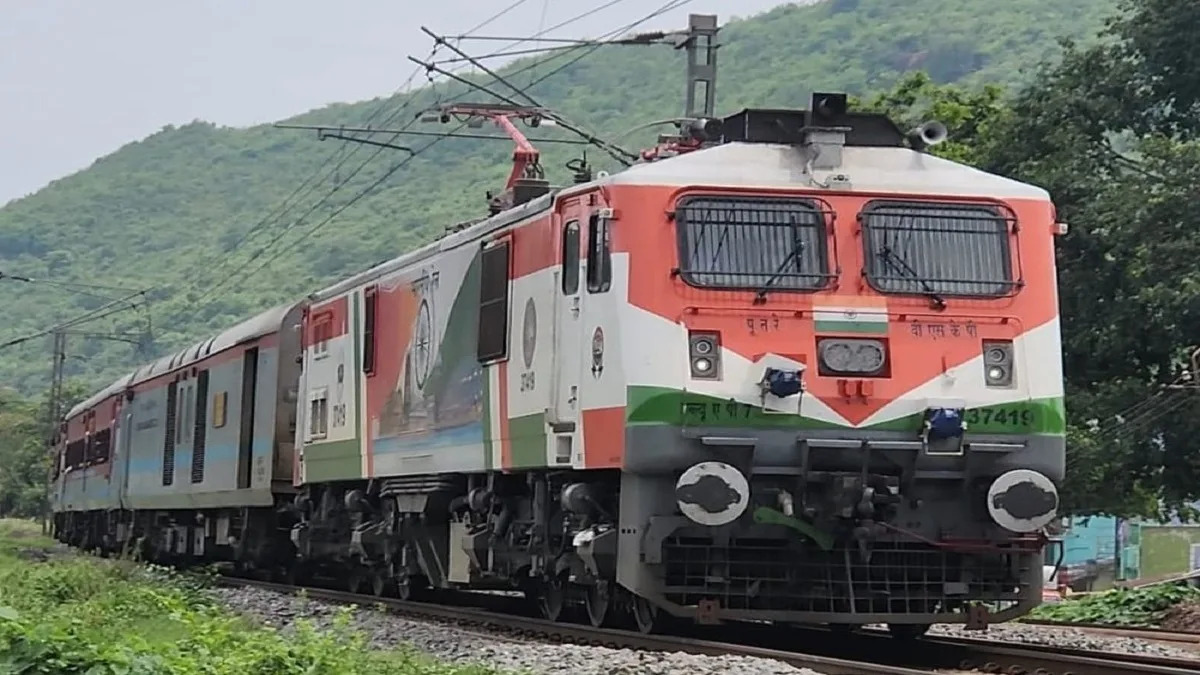
Railways To Run Over 12,000 Special Trains For Deepawali And Chhath Festivals
Indian Railways has announced plans to operate more than 12,000 special train trips for the Deepawali and Chhath festivals. This unprecedented number of services is a key component of a larger strategy to promote sustainable and equitable travel across the country, particularly for those returning home for the holidays. By significantly increasing the capacity of the national rail network, the initiative aims to reduce the reliance on private and less efficient modes of transport, thereby contributing to a lower collective carbon footprint during one of the busiest travel periods of the year.
The move to add an extensive fleet of special trains is a direct response to a critical social need. These services are vital for ensuring that millions of people, a significant portion of whom belong to the middle and working classes, can travel safely and affordably to their hometowns. The announcement of a 20 percent discount on confirmed return journeys further enhances the affordability and accessibility of rail travel. This measure is designed to alleviate financial burdens on families and encourage a shift from more polluting travel options, reinforcing a commitment to equitable and gender-neutral urban and inter-city mobility. Such policies recognise the logistical and economic challenges faced by commuters, ensuring that festive traditions are not hindered by prohibitive travel costs.
Beyond the immediate festive travel plans, the announcement also unveiled a broader vision for sustainable urban development and connectivity. The introduction of four new Amrit Bharat Express trains on key routes and a new Buddhist circuit train are strategic investments in high-efficiency, modern rail infrastructure. These trains not only cater to high-demand corridors but also promote eco-tourism by connecting a series of religious and cultural sites. By linking important pilgrimage and heritage sites, the railway is enabling a new form of travel that is both environmentally conscious and culturally enriching. This expansion aligns with a forward-thinking agenda to make public transport the most attractive choice for all forms of travel.
The commitment to infrastructural development in Bihar, with projects such as the four-line corridor between Buxar and Lakhisarai and a new ring railway system around Patna, solidifies this long-term vision. These investments are crucial for creating more resilient and integrated urban networks. A well-developed ring railway, for example, will facilitate seamless urban connectivity, reducing traffic congestion and emissions from road vehicles within the city. Similarly, the establishment of rail links between Sultanganj and Deoghar and a new train service to Ayodhya demonstrates a focus on knitting together regional economies and religious circuits with clean and efficient public transport. This comprehensive approach, combining short-term festive solutions with long-term infrastructure projects, is a blueprint for building zero-net carbon and more equitable cities in the future.