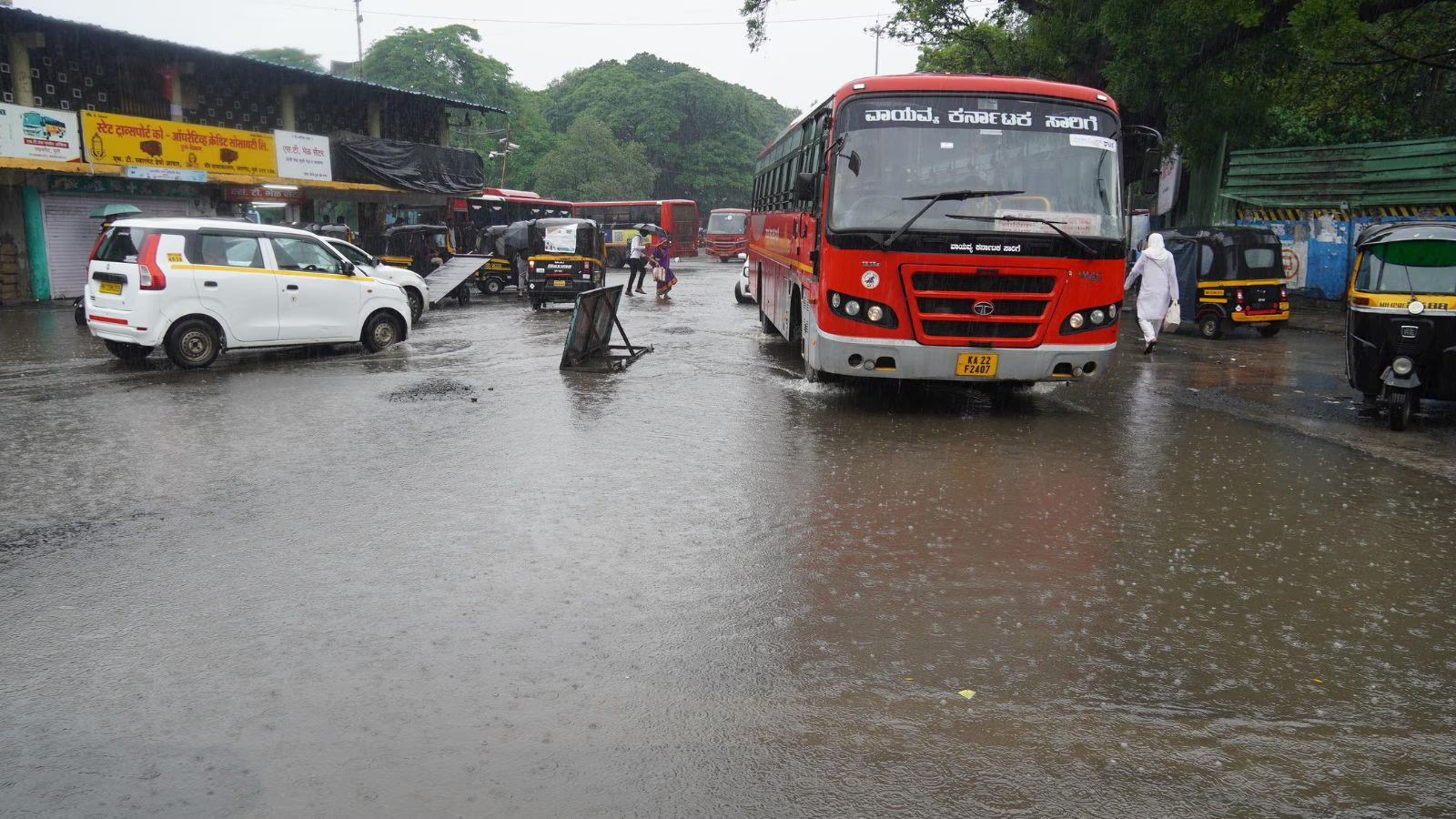
Pune Buses Under Strain As Commuters Face Rain Leakages And Breakdowns
Heavy monsoon showers across Maharashtra have once again exposed the poor state of the Maharashtra State Road Transport Corporation’s (MSRTC) bus fleet, leaving thousands of daily commuters battling leaking cabins, shaky frames and frequent breakdowns. Passengers, many of whom depend on these buses for inter-district travel, are voicing strong concerns over safety, comfort and accountability in public transport.
Several travellers reported journeys where water seeped through bus roofs, faulty window frames rattled throughout the ride and wipers failed to function during heavy rains. Many also shared images of broken doors patched up with temporary coverings, raising questions about the reliability of one of India’s largest state transport networks. For families, senior citizens and rural commuters, such conditions turn routine journeys into experiences of anxiety and discomfort.
The corporation operates a largely stagnant fleet of 15,774 buses, a number inadequate to meet the demands of an expanding passenger base. Officials admitted that despite earlier promises, the addition of new electric buses has been delayed. Although plans were in place to induct over 5,000 e-buses by 2026, none will be joining the fleet this year. Currently, just 220 e-buses are in service, far short of the originally announced targets.
In an attempt to offer immediate relief, MSRTC authorities confirmed that around 5,000 new conventional buses will be inducted by December, with more than half already procured. While this may temporarily improve services, mobility experts argue that relying on traditional diesel buses undermines broader climate commitments and pushes back efforts to build greener cities. Transport experts emphasise that the crisis highlights the urgent need to align public transport infrastructure with sustainable urban mobility goals. They argue that affordable, safe and climate-conscious public transport is essential for reducing dependence on private vehicles, cutting carbon emissions and creating equitable access to mobility for rural and urban communities alike.
Despite repeated assurances, passengers remain sceptical. Many claim that promises of improved service have not materialised over the years. As private bus operators gain ground, there is a growing risk that public transport users—especially those from smaller towns and villages—will be left behind in the transition towards modern, eco-friendly mobility. The monsoon season has once again amplified the challenge of delivering safe and reliable state-run bus services. While the announcement of new buses may offer short-term relief, the delay in electric bus deployment underlines a larger structural problem: the gap between official promises and implementation. If Maharashtra is to achieve its climate and mobility targets, experts insist that public transport must be prioritised as the backbone of sustainable city building.