Kerala Toll Suspension Ruling Sparks Debate On Road Quality
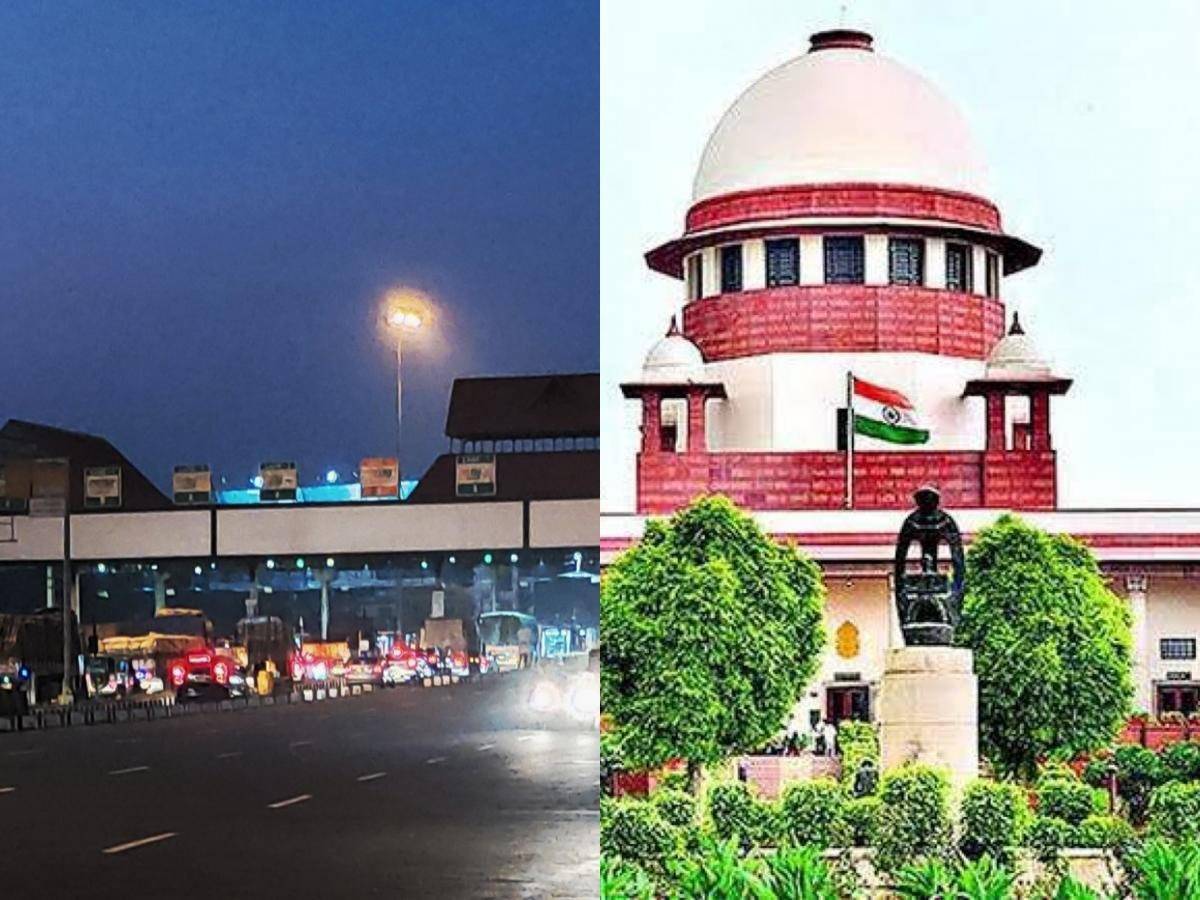
The Supreme Court’s recent ruling to suspend toll collection at a Kerala highway plaza has reignited the debate on accountability in infrastructure management, spotlighting the growing disconnect between user fees and service delivery. The court underscored that commuters cannot be forced to pay for substandard roads, especially when citizens already contribute significantly through taxes.
At the heart of the matter is the Paliyekkara toll plaza on National Highway 544, where poor road conditions prompted judicial intervention. What should have been a one-hour drive reportedly stretches into nearly eleven hours, with potholes and uneven surfaces turning a public highway into a corridor of inconvenience. The suspension of tolls is a reminder that infrastructure is not merely a revenue channel but a public utility where efficiency, safety and dignity should be paramount.
India has been aggressively expanding its tolled highway network through build-operate-transfer contracts, making road developers responsible for investment recovery via user fees. Toll revenue touched nearly ₹54,820 crore by February this year and is expected to cross ₹60,000 crore in FY26. Yet, despite these robust inflows, the lived experience for commuters often tells a different story. Poorly maintained stretches waste fuel, raise logistics costs, and strain the economy through inefficiency and lost productivity.
Experts point out that high toll charges are defensible only when backed by smooth, safe and sustainable highways. Without such quality benchmarks, tolls risk becoming symbols of exploitation rather than enablers of growth. Roads, being the arteries of the economy, are critical not only to trade but also to everyday mobility—whether it is schoolchildren, working professionals or small traders trying to move goods to markets. The court’s verdict also holds significance for India’s sustainability commitments. Poor road conditions force vehicles to idle longer, consume more fuel and emit higher levels of carbon, undermining the nation’s net-zero goals. Transport planners believe that ensuring quality highways is not only an economic necessity but also an environmental imperative. For citizens, well-maintained roads represent safer journeys, lower travel times and reduced household expenses on vehicle repairs and fuel.
The ruling comes at a time when infrastructure is often measured in terms of kilometres built and revenues collected rather than the human experience it creates. Analysts suggest that governance must now pivot from expansion alone to accountability in service delivery. The expectation is not simply more roads, but better roads—roads that are inclusive, equitable, and resilient to climate stress. For policymakers, the suspension of tolls is both a warning and an opportunity. While revenue from highways remains crucial for funding future projects, it must be matched by visible quality improvements. Citizens are unlikely to accept paying twice—once through taxes and again through tolls—without tangible benefits on the ground. For a country aspiring to global competitiveness, building efficient, climate-resilient and people-friendly highways may be the real road to progress.