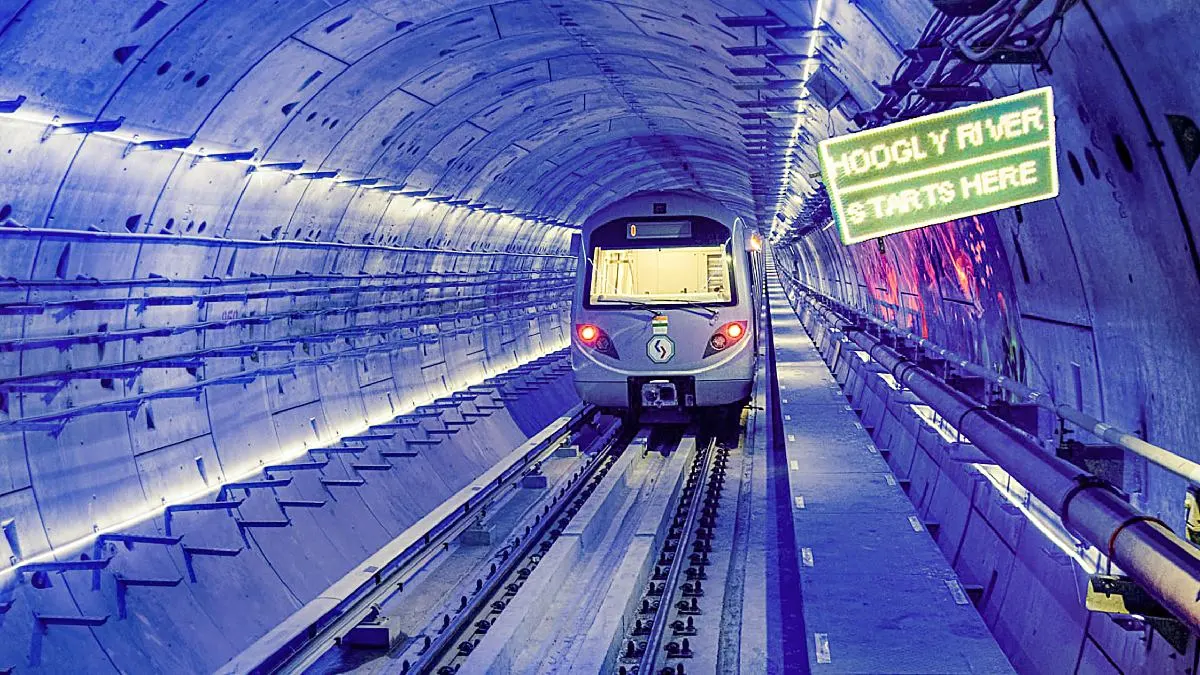
Kolkata Metro Expansion Spurs Overhaul Of Auto And Bus Routes
Kolkata is preparing for a major shift in its urban mobility landscape as the opening of three new Metro alignments pushes transport authorities to redesign auto and bus routes. Officials say the restructuring aims to ensure last-mile connectivity while reducing traffic congestion, setting the stage for a more integrated and sustainable public transport system.
According to transport department officials, the focus is on reorienting auto routes to run perpendicular to the new Metro corridors, instead of duplicating them. This approach, they explained, will prevent overlaps, streamline services, and allow autos to serve as feeder transport to the expanding Metro network. Bus operators have also been directed to extend certain services from Sealdah to emerging hubs such as Salt Lake and New Town, easing bottlenecks at overcrowded points.
In several northern neighbourhoods, autos converging at Dum Dum Cantonment, where suburban rail and Metro lines intersect, are expected to undergo route adjustments. Services from Nager Bazar to Jessore Road and Noapara to Tobin Road are among those flagged for reconfiguration. Meanwhile, routes linking Dum Dum Cantonment to the Airport and Birati are likely to remain operational, with operators citing their vital role in connecting residential clusters and bypassing arterial gridlocks. In south and central Kolkata, operators along Tangra and Beleghata are looking to align with the upcoming Beleghata Metro station. However, traffic authorities have cautioned that safety protocols will govern the shift, ruling out direct auto crossings along the EM Bypass until a pedestrian foot overbridge is completed. Officials noted that only controlled crossings at Metropolitan will be permitted in the interim to balance connectivity with road safety.
The Burrabazar–Sealdah stretch, already a bustling transit corridor, will continue to see autos and small vehicles catering to passengers feeding into the MG Road Metro line. Experts emphasise that maintaining service continuity in dense commercial hubs is essential for both traders and daily commuters who rely heavily on informal transport networks. Alongside these measures, the state has urged app-based ride-hailing and e-mobility platforms to recalibrate their feeder services around the new Metro stations. Officials argue that technology-led mobility services, when aligned with mass transit, can ease dependence on private vehicles, cut emissions, and foster a more equitable transport ecosystem.
Urban planners view these efforts as an opportunity to harmonise multiple transport modes into a coherent system that balances efficiency, affordability, and environmental sustainability. They caution, however, that careful monitoring will be required to prevent displacement of livelihoods in the auto and e-rickshaw sector, which remains a critical component of the city’s employment base. As Kolkata embraces this transit transformation, the challenge lies in ensuring that the integration of Metro, auto, bus, and app-based mobility does not just address congestion, but also builds a greener and more inclusive urban future.