


India’s infrastructure narrative received a renewed push on Friday as the Prime Minister embarked on a two-state visit covering Bihar and West Bengal, inaugurating and laying the foundation of projects valued at more than ₹18,000 crore. The interventions span energy, transport, housing and urban development, underlining the government’s continued reliance on large-scale capital spending to address regional growth and mobility challenges.
In Bihar, the Prime Minister launched a series of industrial, transport and health-linked projects cumulatively worth ₹13,000 crore. At Gaya, a 660 MW thermal power plant in Buxar was formally inaugurated, seen as vital to stabilising electricity supply in eastern India. Alongside, a state-of-the-art cancer hospital and research centre in Muzaffarpur was opened, which experts noted could strengthen tertiary healthcare access across North Bihar. Infrastructure commitments extended to river rejuvenation and sanitation. A sewage treatment plant worth ₹520 crore in Munger was commissioned under the Namami Gange programme. The project is expected to improve water quality and contribute to ecological sustainability of the Ganga river stretch, a longstanding environmental concern in the region. Complementing this were several urban projects, together valued at over ₹1,200 crore, aimed at strengthening civic infrastructure.
The day also witnessed a major transport emphasis. Two new passenger services were flagged off from Gaya — the Amrit Bharat Express connecting the town directly with Delhi and a special Buddhist Circuit train intended to promote cultural tourism by linking heritage sites across Bihar and neighbouring Jharkhand. Mobility was further enhanced with the inauguration of the 8.15 km Aunta–Simaria bridge, including a six-lane section across the Ganga, which promises to ease bottlenecks between Patna and Begusarai. Symbolically, keys to newly built rural homes under the affordable housing mission were handed over to thousands of beneficiaries. Officials highlighted that this not only addresses shelter but also represents incremental progress towards equitable development in rural India.
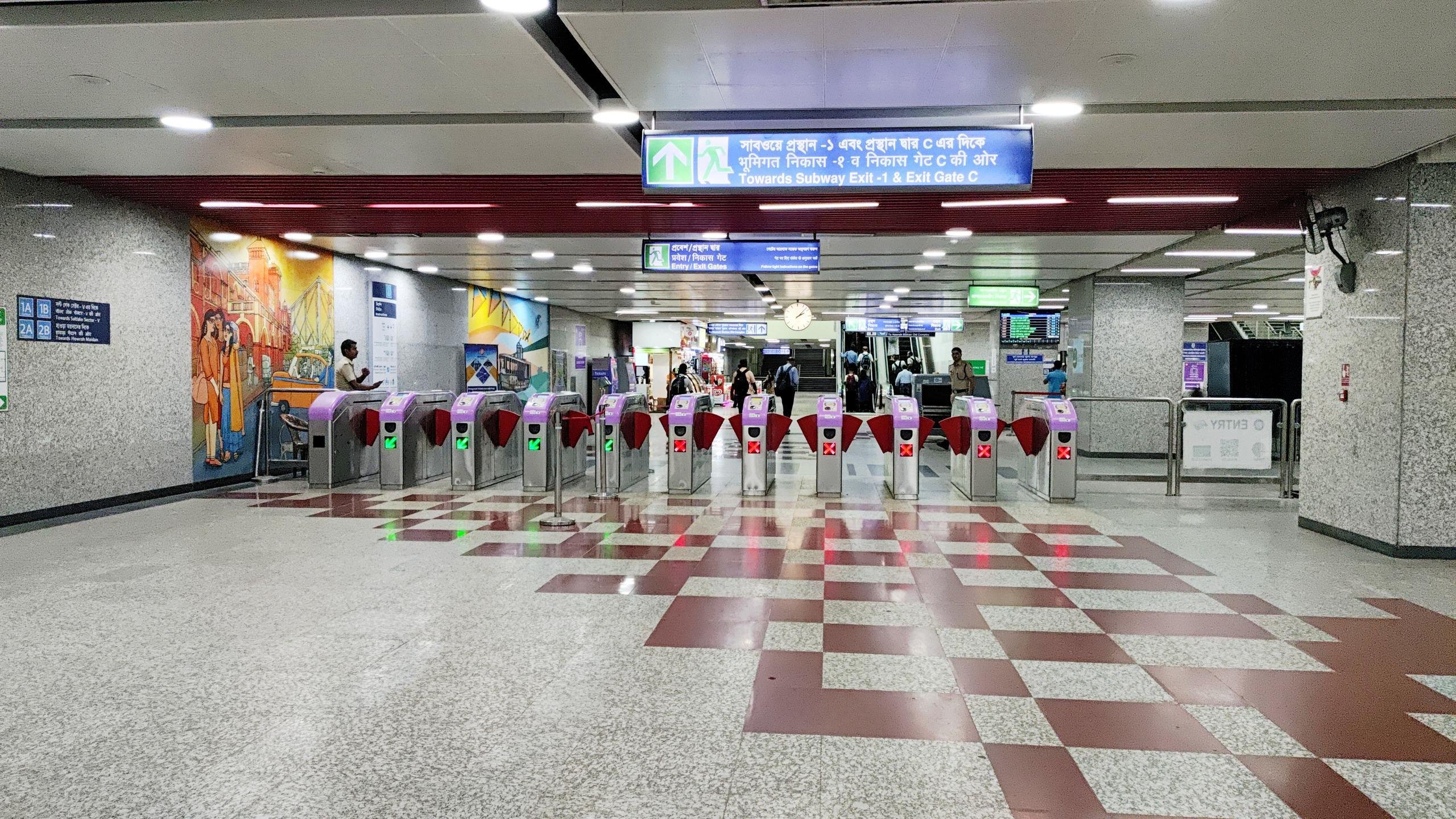
The Prime Minister’s evening leg in Kolkata shifted attention to urban transport modernisation. Inauguration of three new stretches of the metro network added over 13 km of connectivity across dense corridors including Sealdah–Esplanade, Noapara–Airport and Hemanta Mukhopadhyay–Beleghata. Experts said the expansion is critical for cutting congestion, lowering emissions from road traffic and improving commuter efficiency in a city struggling with outdated transport capacity. Additionally, the foundation was laid for a 7.2 km elevated corridor on the Kona Expressway, valued at ₹1,200 crore, designed to decongest arterial connectivity between Howrah and Kolkata. Planners argue that the project, once completed, could reduce vehicular load, enhance logistics efficiency and contribute indirectly to cleaner urban air.
While the political timing of these announcements comes ahead of crucial state elections, officials maintained the investments are consistent with the government’s broader agenda of accelerating regional growth and enabling sustainable mobility. The balance between power, housing and mass transit projects, they said, marks an integrated approach to urban and rural development.
Also Read : Vande Bharat Express Solapur–Mumbai adds 4 extra coaches from August 28
