


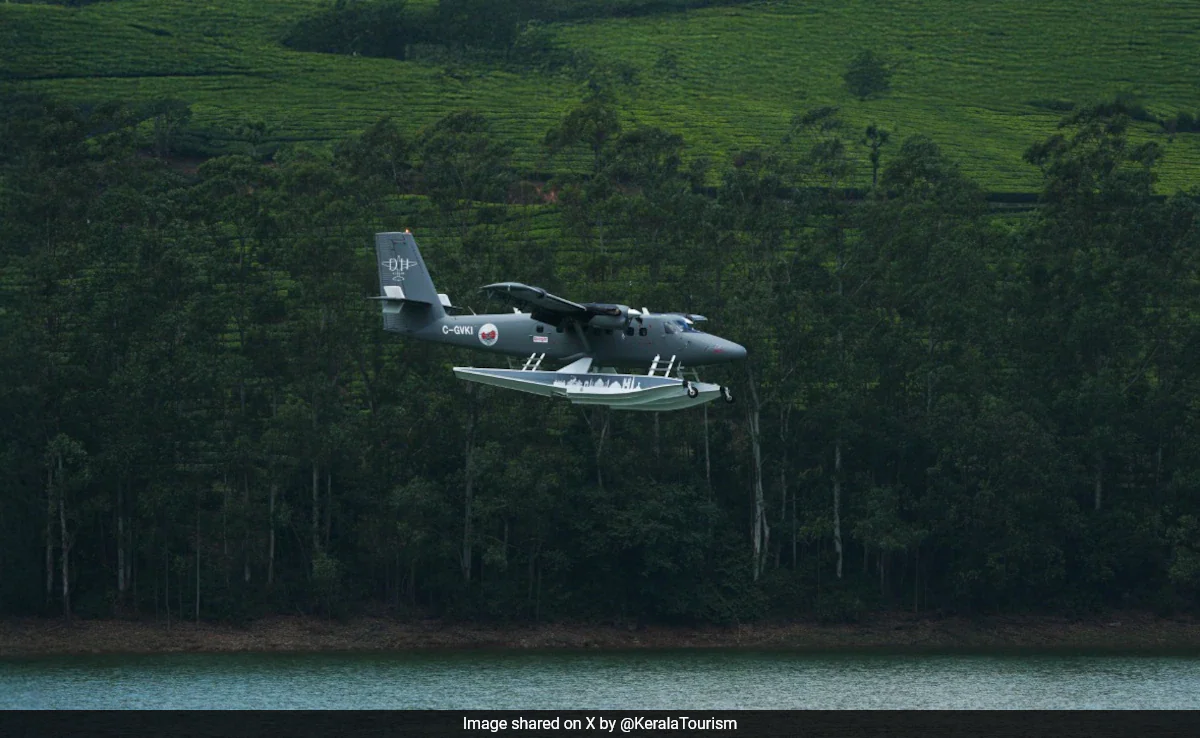
Kerala is set to launch its first commercial seaplane service linking Kochi to Lakshadweep, a project that could redefine regional travel and tourism. Expected to begin operations next month, the service will be operated under a regional air connectivity initiative, offering passengers shorter travel times and significantly reduced costs compared to existing alternatives. Officials say this is the first step towards a wider seaplane network across the state.
The initiative is designed to make island and highland travel more accessible. Unlike helicopter services that cost nearly ₹60,000 for a short journey, the new seaplane link is expected to operate at an average fare of around ₹12,000. Subsidies of up to ₹4,000 under the government’s UDAN scheme will further lower costs, making it feasible for everyday travellers, not just luxury tourists. Aviation experts believe the move could democratise air travel over water in the state while boosting eco-tourism potential.The launch follows years of delays since seaplane operations were first mooted in 2013. Strong protests from fisherfolk, who feared disruption to traditional livelihoods, and environmental groups, who raised concerns about marine ecology, initially derailed the project.
Also Watch: An Exclusive Interview with Sanjeev Jaiswal (IAS), CEO MHADA
However, recent trial flights conducted successfully from Kochi backwaters to highland reservoirs have provided confidence in both the safety and technical feasibility of the model. Officials argue that strict safeguards, waterdomes, and planned monitoring systems will address concerns around ecological and community impacts.Beyond Lakshadweep, the government has drawn up plans to extend services to water bodies within Kerala itself, including Idukki Dam and Wayanad Lake. Aviation infrastructure teams are identifying additional locations suitable for seaplane landings, with requirements of only two metres of water depth and 800 metres of open space for safe take-offs and landings. This could create a statewide seaplane corridor that integrates seamlessly with the state’s airports and waterways.
For Kerala’s tourism industry, the project represents more than just a new transport mode. It offers the opportunity to position the state as a pioneer in waterborne aviation while creating sustainable and climate-conscious connectivity. Officials emphasise that the seaplane model, powered by smaller aircraft carrying up to 20 passengers, is both fuel-efficient and environmentally manageable when compared to larger jets or extensive road expansions.Analysts also note that if executed responsibly, seaplane services could relieve pressure on congested airports and roadways while encouraging low-carbon mobility alternatives. However, striking the balance between commercial viability, environmental safeguards, and community trust will remain critical.As Kerala prepares for its maiden flights, the project is being seen as a potential blueprint for India’s coastal and island states to rethink aviation. If successful, Kochi’s seaplane could become not only a regional gamechanger but also a model for sustainable air travel in the country.
