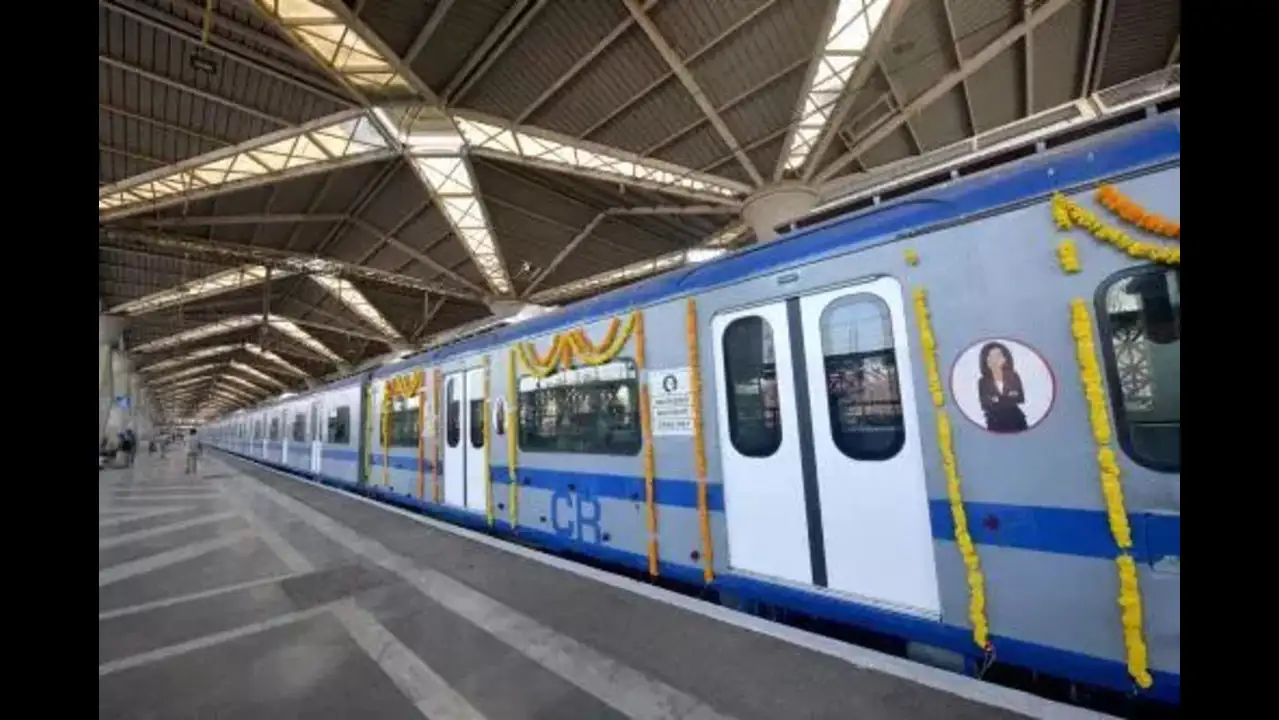
Mumbai Suburban Rail To Get 268 New AC Racks With State Funding
The suburban railway network, often described as the lifeline of Mumbai, is set for a major modernisation push as the state government has committed to funding half the cost of procuring 268 new air-conditioned (AC) rakes. The decision, which bypasses the earlier plan of availing international loans, represents a decisive shift towards sustainable, budget-supported investment in the city’s mass transit infrastructure.
Under the revised financial structure, the state will contribute approximately ₹2,413 crore from its annual budgetary allocations over the coming years. The remaining half of the cost will be borne by the central government. Officials indicated that the proposal has already secured approval from the state cabinet committee on infrastructure and is awaiting clearance at the central level. Delivery of the rakes will be phased, given the complexity of manufacturing and integration.
Previously, the procurement of new rakes was to be financed under the Mumbai Urban Transport Project (MUTP) III and III-A, with loans sourced from multilateral institutions. However, in consultation with central authorities, the state opted against additional borrowings, citing the long-term fiscal prudence of direct budgetary spending. Industry experts note that this approach reduces the burden of external debt while also ensuring greater control over timelines and financial disbursements. The 268 AC rakes are expected to significantly transform daily commuting for millions of suburban passengers. While only a fraction of Mumbai’s trains are currently air-conditioned, the planned fleet expansion will improve passenger comfort, reduce overcrowding, and bring services closer to global urban rail standards. Officials emphasised that integrating AC rakes aligns with the broader goal of making public transport the preferred choice for urban mobility.
Alongside passenger comfort, the new rakes are expected to contribute to environmental sustainability. AC trains consume energy more efficiently compared to traditional rakes and are designed for lower carbon footprints. Transport planners argue that encouraging commuters to shift from private vehicles to reliable, climate-friendly suburban trains is essential for reducing emissions and easing congestion in Mumbai, one of the most densely populated cities in the world. The MUTP III and III-A projects, which include the construction of additional rail corridors, line expansions, and station upgrades, continue to progress, albeit at different paces. While MUTP II has achieved over 80 per cent completion, MUTP III has crossed 40 per cent, and MUTP III-A remains at just 6 per cent. Officials admit that the scale and complexity of works—including new lines between Borivali and Virar, Kalyan and Badlapur, and the remodelling of Kalyan Junction—pose challenges to execution.
Funding for MUTP III-A is being shared by multiple agencies, including municipal corporations and development authorities. However, the direct infusion of state resources into AC rake procurement reflects a policy choice to prioritise commuter-centric upgrades even as broader infrastructural works take shape. Experts believe the decision signals a more people-focused approach to transport planning, as enhanced passenger amenities often translate into higher ridership and reduced pressure on road networks. In the long run, sustained investment in suburban rail—integrated with metro and bus services—is seen as critical for building a more equitable, sustainable, and liveable Mumbai.