


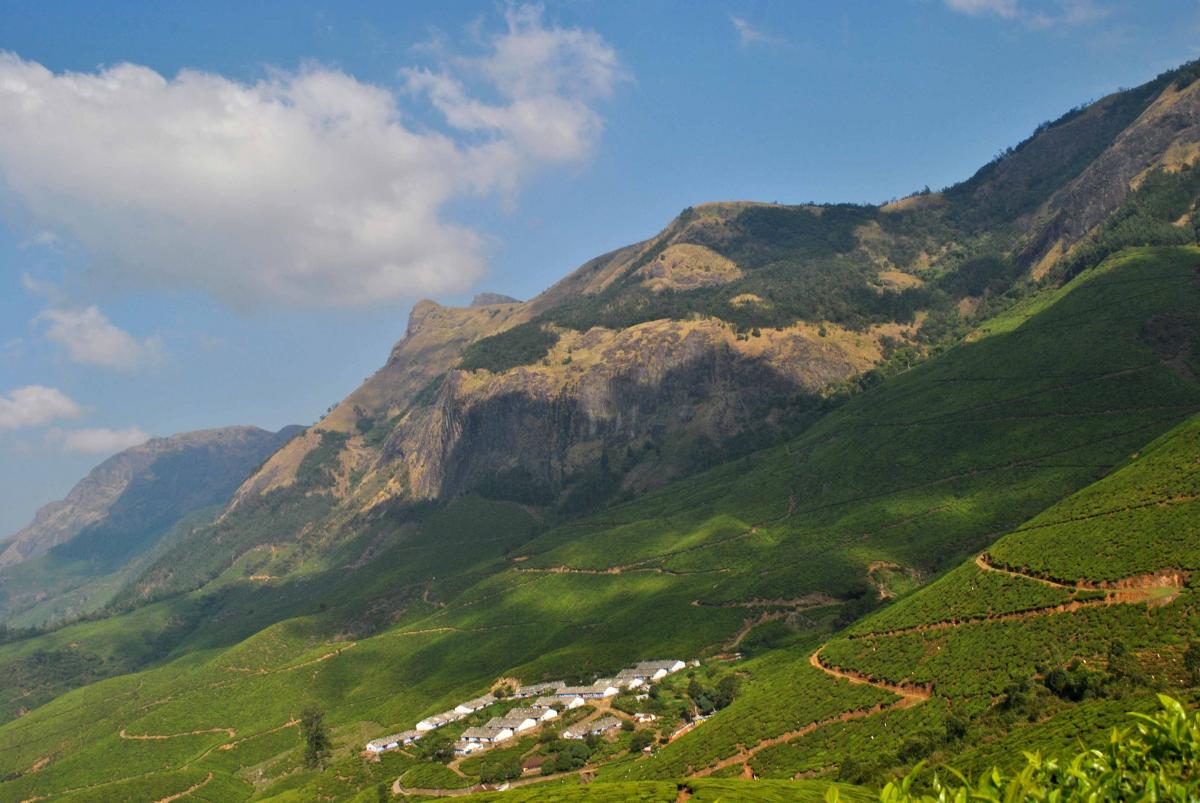
Munnar, the iconic hill station, is at a critical juncture as a new “Green Corridor” project receives in-principle government approval to tackle a mounting waste crisis. This ambitious initiative, a three-tiered system of checkpoints, green patrolling, and facilitation centres, is seen as a potential blueprint for sustainable tourism. However, the proposal is met with significant skepticism, as its success hinges on a commitment to implementation that has historically been lacking, challenging authorities to move beyond paperwork and deliver tangible change for this fragile ecosystem.
The scale of the problem is alarming. Studies show that during peak tourist seasons, the main Munnar panchayat alone generates an estimated 8 tonnes of waste daily, with a substantial portion directly attributable to visitors. This discarded litter is choking the region’s pristine landscapes, contaminating vital reservoirs, and polluting forest ecosystems. The crisis has turned a significant number of the region’s main roads and natural spaces into dumping grounds, threatening the very natural beauty that attracts millions of visitors each year and endangering its status as an eco-tourism hotspot.
In a move towards a circular economy, the Green Corridor project’s tiered approach is designed to tackle the problem at its source. Checkpoints at entry points will collect plastics and other non-biodegradable items for a fee, while also educating tourists on responsible waste disposal. The “green patrolling” units will serve as a deterrence, imposing penalties on offenders to enforce compliance. The planned facilitation centres are intended to provide tourists with dedicated spaces to dispose of garbage and use sanitary facilities, reducing the incentive for roadside littering. This model is a critical step towards achieving a zero-waste and eco-friendly tourism footprint.
Perhaps the most groundbreaking aspect of the project is its commitment to gender-equitable and sustainable governance. The plan entrusts Kudumbashree micro-enterprise units, a network of women’s self-help groups, with key responsibilities, including managing the checkpoints and patrolling. This not only empowers local communities to take ownership of their environment but also creates significant economic opportunities for women, ensuring that the benefits of green tourism are shared equitably. By integrating community members, the project is more likely to be a sustained, on-the-ground reality rather than just a top-down bureaucratic directive.
Despite the project’s comprehensive framework, experts caution that it must address a fundamental flaw in the region’s tourism policy: the lack of a “carrying capacity” study. Without understanding the maximum number of visitors the ecosystem can sustain, waste management plans will always be reactive. This critical omission suggests that the government, according to some experts, still views Munnar primarily as a revenue stream rather than a vulnerable ecological asset. The true test of this Green Corridor will be its ability to prove that sustained political will and genuine community partnership can succeed where past efforts have failed, ultimately securing a clean and prosperous future for Munnar.
Also Read :Porbandars 3,576 Km Silchar Corridor Nears Completion with Final Stretch Due by 2027
