Ernakulam Mannuthy Toll Collection Halted As Supreme Court Backs Commuter Rights
The Supreme Court has upheld the Kerala High Court’s order to suspend toll collection for four weeks on a key highway stretch between Ernakulam and Mannuthy. The apex court’s ruling sets a powerful precedent by asserting that citizens cannot be compelled to pay a user fee for a road that is plagued by traffic jams, disrepair, and bottlenecks. This judgment is a significant victory for commuters, fundamentally linking toll payments to a corresponding right to receive a safe, unhindered, and efficient travel experience.
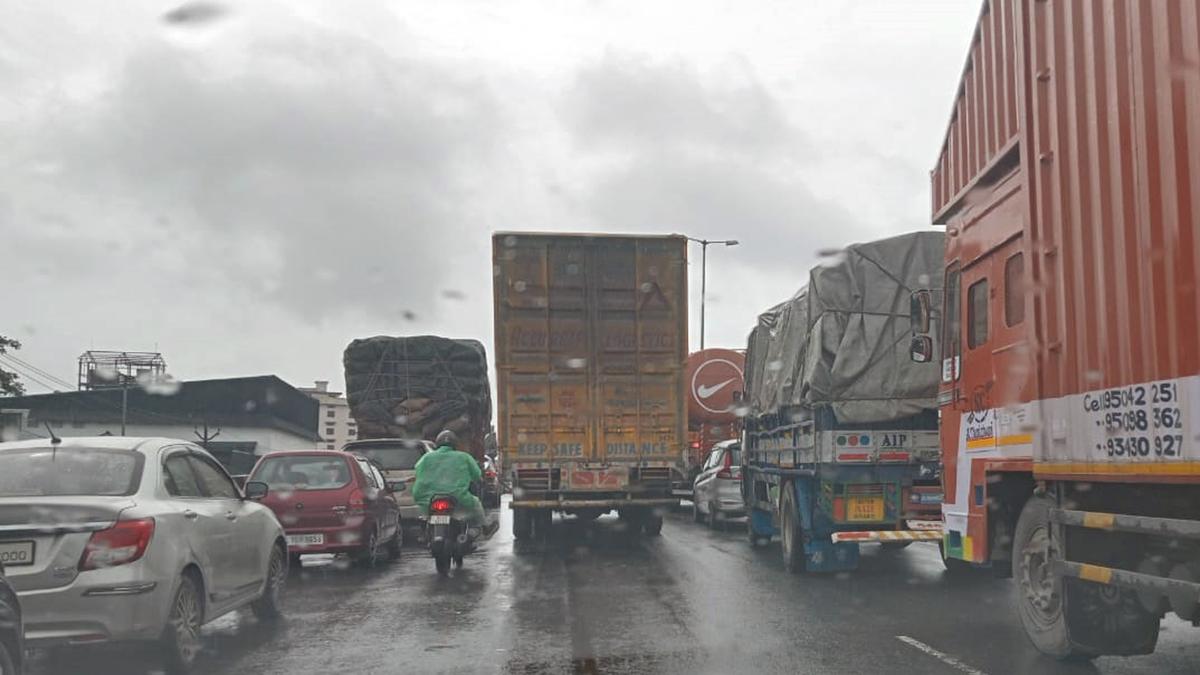
At the heart of the legal battle lay the plight of thousands of commuters who faced daily gridlock on the 65-km corridor. Despite a public obligation to pay a toll, the highway was mired in traffic snarls, with some vehicles stuck for over twelve hours. The Supreme Court bench, while rejecting appeals from the National Highways Authority of India (NHAI) and the project concessionaire, took a “citizen-centric approach,” highlighting that the very purpose of a toll road is to facilitate smooth and fast transit. This ruling effectively places the onus of quality and service squarely on the shoulders of the entities collecting the user fees.
The court’s observations went beyond a mere legal and financial dispute to encompass a broader social and environmental narrative. The bench pointed out that the “toll is really on the purse and the patience of the citizen, as also the environment.” This powerful statement directly links the inefficiencies of infrastructure to a tangible eco-cost. Long queues of idling vehicles not only waste valuable fuel and money but also contribute significantly to air pollution and a higher carbon footprint, a direct antithesis to the goals of building sustainable and zero-net-carbon cities. The ruling essentially argues that a truly eco-friendly city requires infrastructure that is not only modern but also functional and well-maintained.
The legal teams representing the NHAI and the concessionaire argued that the congestion was a temporary inconvenience caused by ongoing construction at a few critical “black spots” and that a daily revenue loss of nearly ₹49 lakh was unsustainable. However, the court remained unpersuaded, stating that such arguments overlooked the fundamental rights of the public. By directing the lower court to implead the third-party contractor responsible for the disrepair, the Supreme Court has also underscored the importance of ensuring a transparent and accountable chain of command in large-scale infrastructure projects.
In conclusion, this landmark judicial pronouncement is more than just a temporary victory for commuters on a single highway. It is a resounding message to public and private entities across India that the age of collecting fees for subpar services is over. The ruling demands that urban and regional planning must be a social contract based on mutual trust, where private players are held to a high standard of accountability for public assets. It sets a powerful precedent for a future where sustainable, equitable, and efficient infrastructure is not a luxury but a fundamental right for every citizen.