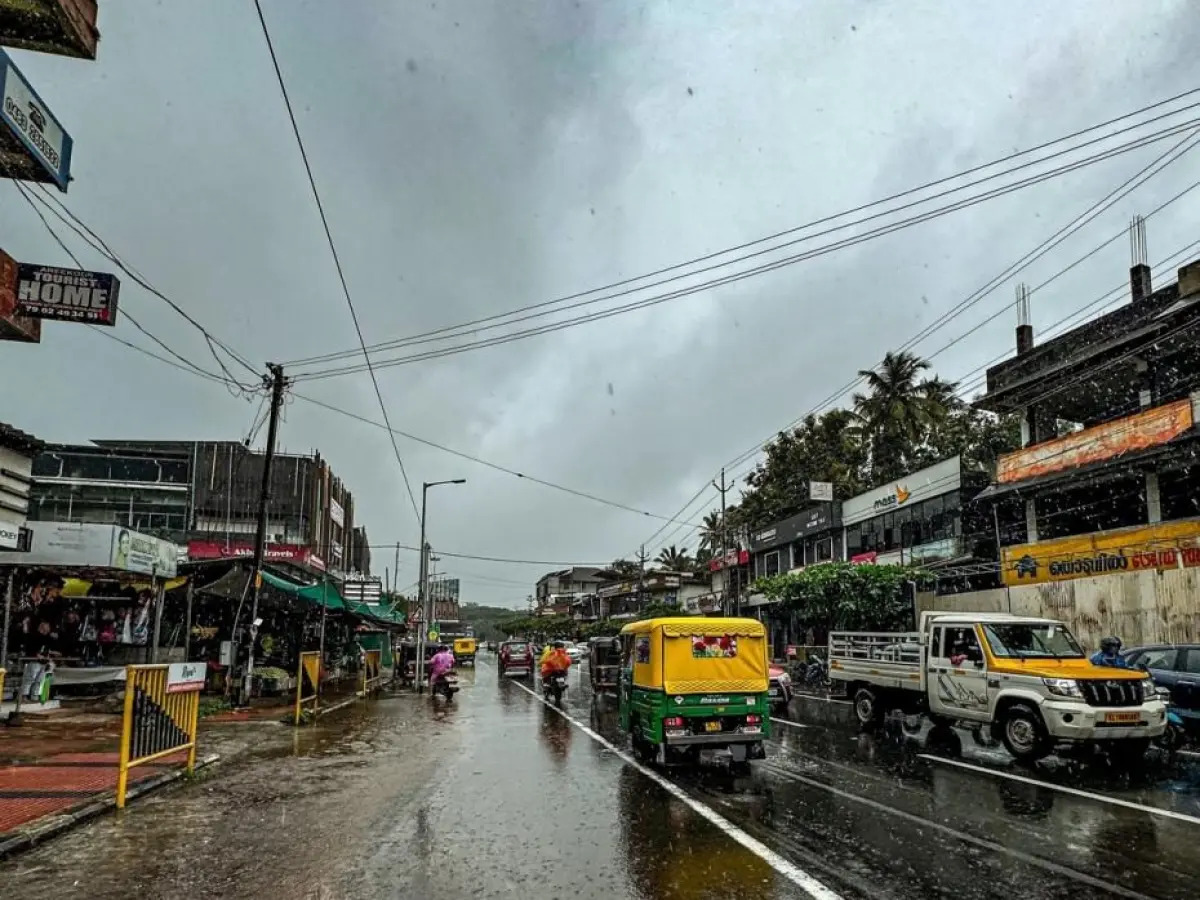
Rainfall Intensity Expected to Decrease from Thursday
After a day of torrential downpours that brought the city to a standstill, Mumbai is slowly returning to normalcy, offering its citizens a brief reprieve. The city’s lifeline—its local train services—have resumed, schools and offices are open, and commuters are once again navigating the familiar rhythms of metropolitan life. However, this temporary calm belies a more profound and persistent challenge: the growing vulnerability of the city’s infrastructure to increasingly extreme weather events. This cycle of disruption and recovery underscores the urgent need for a cohesive strategy to build a truly resilient, equitable, and sustainable urban future.
The city’s rapid return to function, a testament to its inherent resilience, was a source of relief for millions. The Central Railway’s Harbour line, which was halted for fifteen hours, is now operational, and all public transport services are running as scheduled. This ability to bounce back quickly is what defines Mumbai, but it also distracts from the systemic failures that cause the disruption in the first place. This monsoon season has highlighted that the city’s current drainage and transport systems are no match for the intense, short-duration rainfall events that are becoming more frequent as a result of a changing climate.
The human cost of this vulnerability is tragically evident across the state. In Mumbai, a young man lost his life after coming into contact with a fallen high-tension wire in a waterlogged street. In Jalgaon, a devastating incident claimed the lives of five people from a single family due to electric shock. These deaths are not merely accidents; they are a direct consequence of an infrastructure that is not equipped to handle the new realities of a more volatile climate. The flooding in rural areas has been equally devastating, with officials and political representatives reporting widespread damage to crops across Maharashtra, with some districts losing over a million acres of farmland. This has led to demands for “wet drought” declarations and urgent financial assistance for distressed farmers, highlighting the disproportionate impact of climate events on rural communities.
Experts and scientists are unequivocal in their assessment: these extreme rainfall events are a direct result of climate change. A leading professor from a premier institute in Mumbai has stressed the critical need for advanced early warning systems and robust adaptation strategies to mitigate future risks. The rescue of a displaced python in a residential area of Mulund serves as a stark metaphor for the broader ecological disruption caused by these floods, where both wildlife and humans are forced out of their habitats.
In the end, while Mumbai and Maharashtra have demonstrated incredible resilience, this is not a sustainable long-term solution. The events of this week serve as a sobering reminder that a city’s true strength lies not just in its ability to recover, but in its foresight to build a zero-net-carbon and resilient infrastructure that can withstand the challenges of a rapidly changing climate. The future of Mumbai and its surrounding regions depends on proactive measures that prioritize the safety and well-being of all citizens, ensuring that such tragedies become a thing of the past.