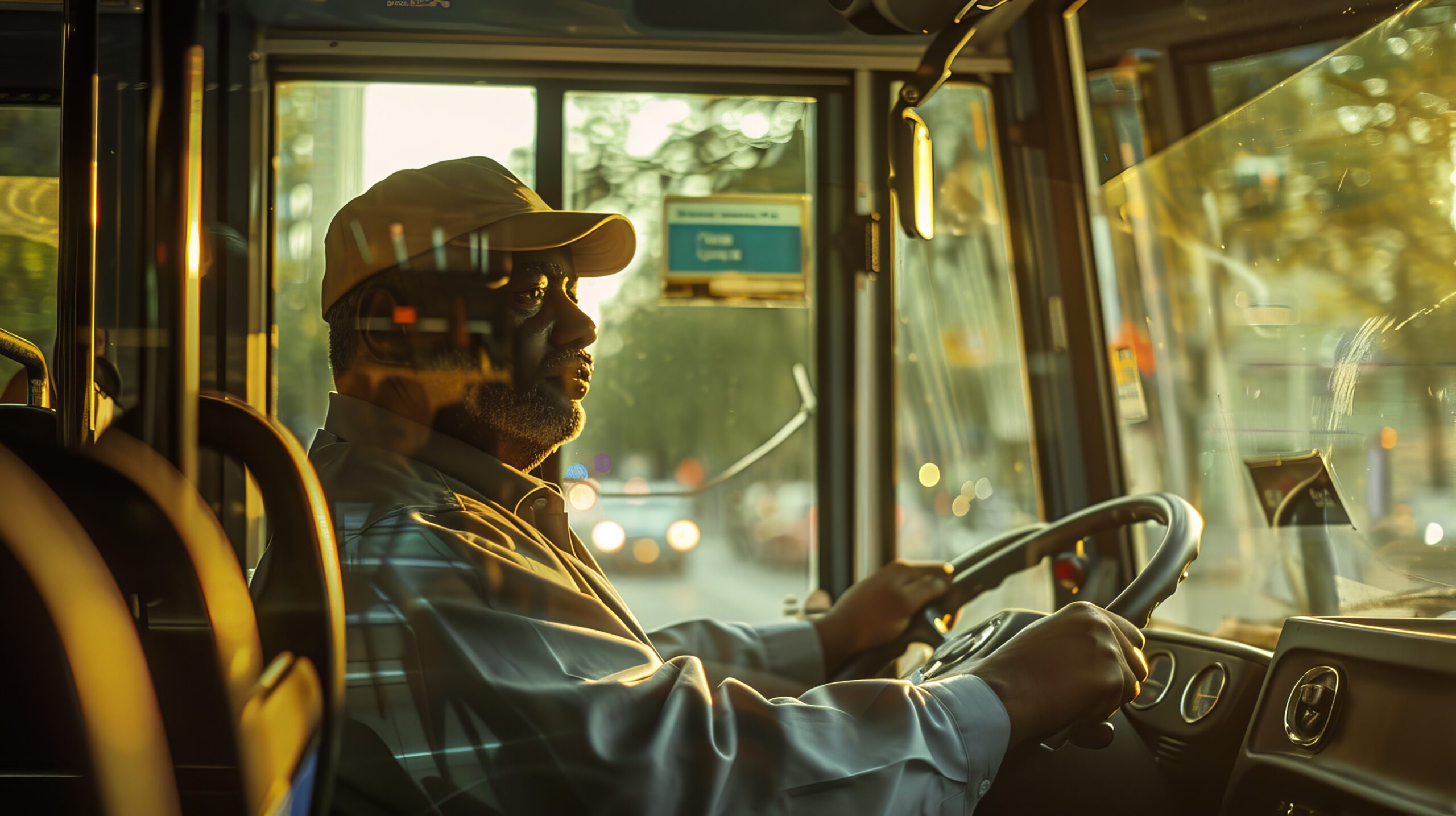
The city’s ambitious shift from CNG to electric buses has raised serious concerns over the livelihoods of nearly 8,600 Delhi Transport Corporation (DTC) drivers, as most of the existing fleet is set to be phased out by October 2025. Officials say the government is working to prevent mass displacement, but uncertainty remains high among the workforce.
At present, almost 90 percent of DTC’s CNG buses are scheduled for retirement within the next year as the transport department accelerates its transition towards a greener fleet. The new electric buses, however, are being introduced under a wet lease model, where private concessionaires supply drivers, while DTC deploys conductors. This structural change has created fears that permanent and contractual drivers may no longer be required in the system.
Government documents reviewed recently projected that by the end of 2025, thousands of drivers would become surplus unless an alternative arrangement was found. Officials acknowledge the concern, but insist that multiple measures are being planned to retain and redeploy the staff. One senior official said that the department has initiated steps to utilise drivers in other city services through deputations, including the New Delhi Municipal Council and Delhi Jal Board, with similar proposals sent to civic and health bodies. Additionally, promotions for eligible drivers are being fast-tracked into supervisory roles such as Assistant Traffic Inspectors, allowing them to transition into office-based responsibilities.
For contractual drivers, the plan is more complex. Since concessionaires also rely on drivers on a contract basis, the transport department is framing policies that would mandate hiring from the existing DTC pool. Payments for these drivers would continue through DTC, ensuring continuity of service and income. Officials also highlighted that these adjustments were being designed to minimise disruption while maintaining fairness across categories of employment. The DTC currently operates a mixed fleet of 4,800 buses, which includes 660 small electric buses, 1,800 large electric buses, and around 1,800 CNG buses. By the end of the transition period, the city aims to run almost entirely on electric mobility — a move seen as vital to reducing emissions and meeting sustainability goals.
Yet, the human cost of this transformation cannot be overlooked. Labour representatives argue that the shift to sustainable transport must also be equitable, ensuring that workers who built the system are not left behind. Urban mobility experts add that balancing environmental priorities with social equity will determine whether Delhi’s green transition truly serves as a model for inclusive development. For now, the city stands at a crossroads — pushing ahead with clean energy while attempting to secure the livelihoods of thousands who keep its public transport moving.