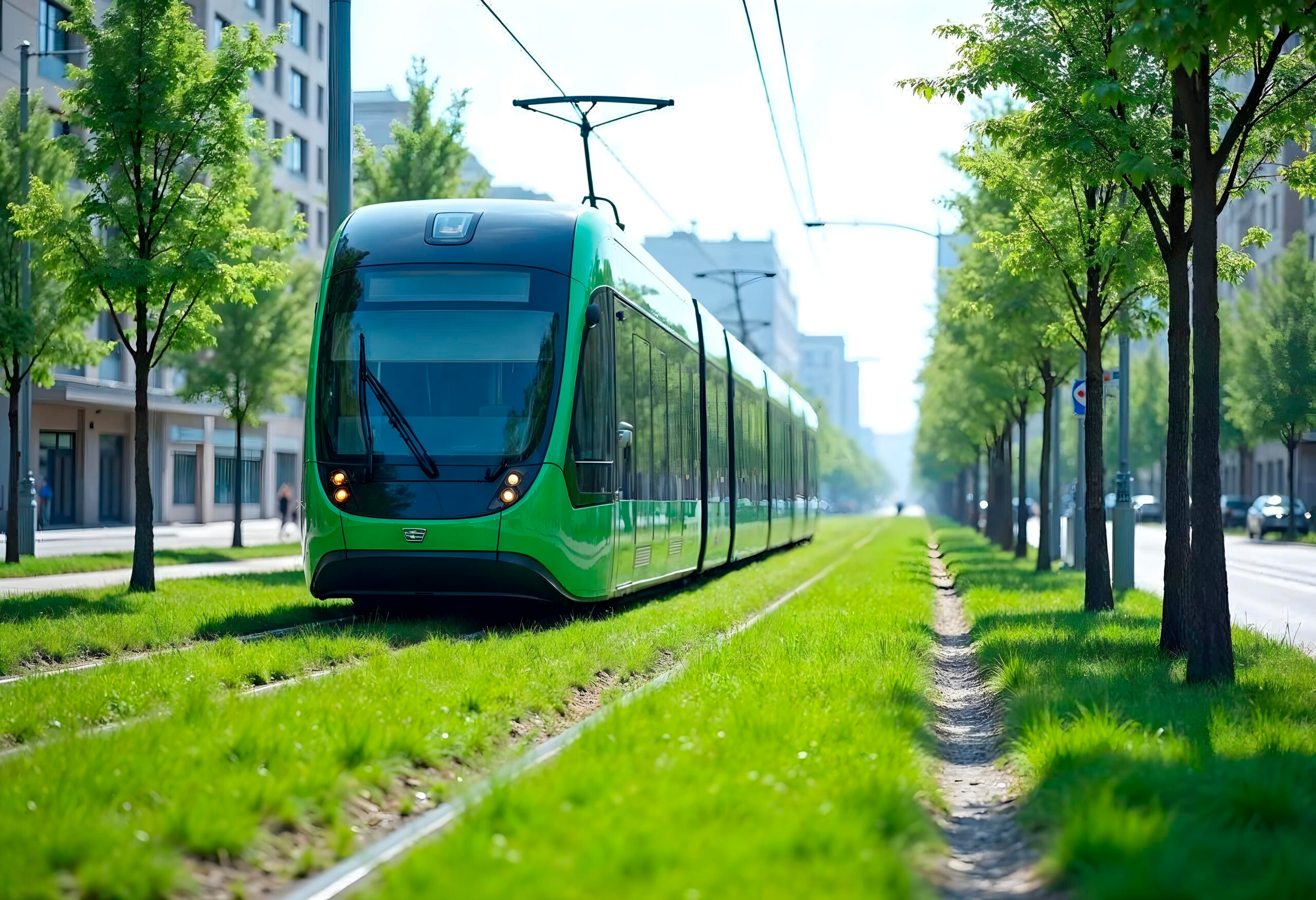
Delhi To Phase Out CNG Buses By 2031 With Electric Future
The national capital has charted a decisive course towards sustainable mobility, with authorities confirming that all compressed natural gas (CNG) buses will be phased out by August 2031, making way for a fully electric fleet. The announcement marks a major turning point in Delhi’s public transport strategy as it aligns with global benchmarks for zero-carbon urban transit.
According to official details shared in Parliament, Delhi’s transport network currently operates 5,691 buses, including electric and CNG fleets, split between the Delhi Transport Corporation (DTC) and private cluster operators. Of these, 2,743 are CNG-powered vehicles—993 under DTC and 1,750 under cluster operations—that will exit service within the next six years.
The transition will be staged. The government has confirmed that DTC’s older CNG buses, many procured during the 2010 Commonwealth Games, will retire by 2026–27. Cluster-operated CNG buses, inducted under the gross cost contract model, will continue for a few more years before being fully phased out by 2031. Officials emphasised that new inductions to the fleet will be exclusively electric, underscoring a shift in both investment and policy priorities. Transport experts note that Delhi’s decision reflects an urgency driven by worsening air quality and climate commitments. CNG was once heralded as a cleaner alternative to diesel, but in the age of climate action, it is now regarded as a transitional fuel. The pivot towards electric fleets signals the capital’s effort to move beyond interim fixes towards permanent solutions that cut carbon emissions at source.
Officials pointed out that, despite operational challenges, the state government has committed to a 50:50 balance in bus provision between DTC and private cluster operators, aiming for a combined fleet strength of 11,000 buses. This restructuring is designed to not only improve service coverage but also ensure that both public and private operators align with the electric mobility roadmap. The shift also comes with financial realities. Over the past five years, neither the Centre nor the Delhi government has released funds to DTC for new CNG buses. Instead, resources are now being channelled into electric bus procurement and charging infrastructure, a move that is expected to significantly reduce operational costs in the long run.
For commuters, the change promises cleaner air, quieter journeys, and a modernised transit experience. However, the transition is not without hurdles—fleet modernisation, charging capacity, and the management of peak demand remain pressing challenges. Industry observers argue that sustained political will and investment will be key to preventing service gaps during the shift. Delhi’s transport overhaul is seen as more than a technical upgrade; it represents a social commitment to building an equitable, eco-friendly city. By setting a 2031 deadline, the capital has positioned itself as a test case for how Indian megacities can reimagine mobility in the era of climate change.