


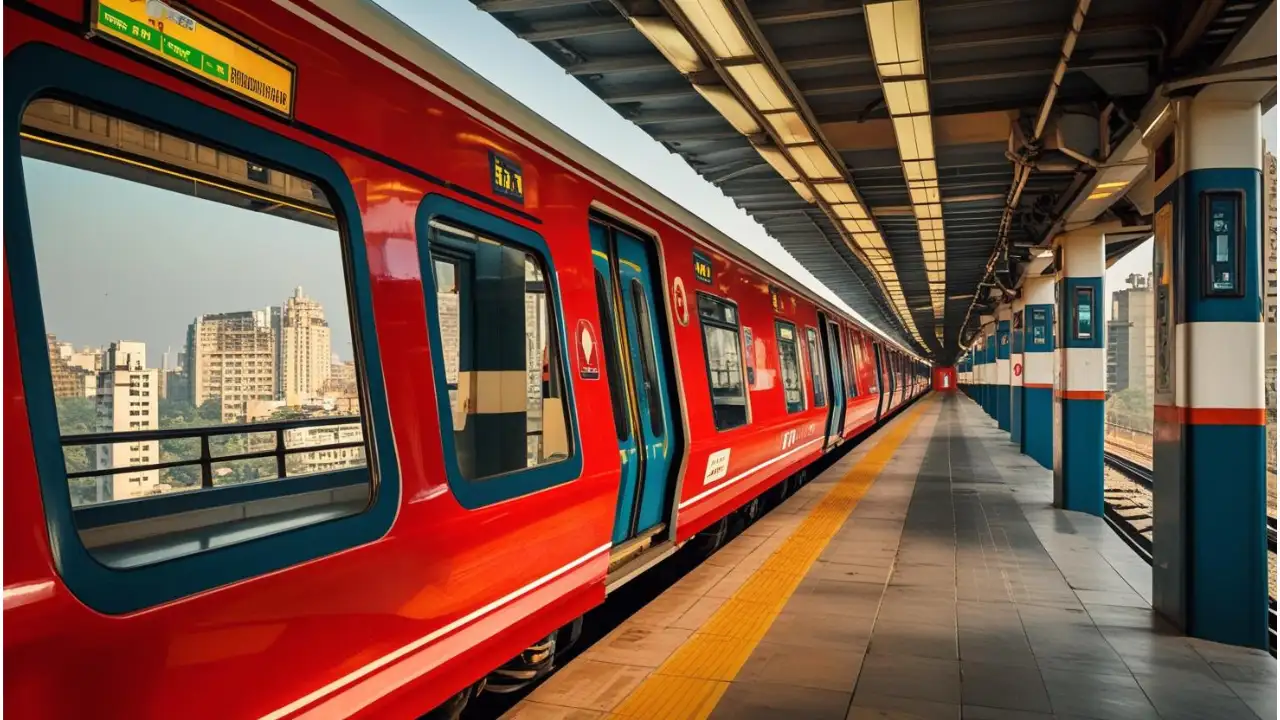
Mumbai is gearing up for a transformative urban transit expansion with the proposed Metro-13 Red Line, connecting Shivaji Chowk in Mira Road to Virar. Extending approximately 23 km into the northern suburbs, the corridor is expected to provide seamless connectivity through heavily populated commuter zones while easing congestion on existing suburban rail networks. With 20 planned stations along its route, the Red Line is being positioned as a modern, high-capacity alternative to the often-crowded local trains.
According to metro officials, the line will traverse key residential and commercial hubs including Mira Bhayander, Pisavali Gaon, Golavali, Dombivli MIDC, and Sonarpada before reaching Virar. The estimated project cost stands at Rs 6,900 crore. While detailed civil works have yet to begin, the Detailed Project Report (DPR) has been completed, and authorities are targeting completion by October 2026, making it a strategic addition to Mumbai’s expanding metro network. Urban transport planners highlight the significance of the line for daily commuters. “Metro-13 is expected to integrate efficiently with existing suburban rail and bus services, creating multimodal hubs that enhance last-mile connectivity,” explained a senior official from the Mumbai Metro Rail Corporation. The corridor is anticipated to relieve peak-hour crowding on the Western Line, reducing travel time and providing a more sustainable and eco-friendly alternative to road transport.
While operational specifics including train frequency, ticketing, and rolling stock are yet to be officially confirmed, expected fares are projected to mirror current metro pricing. A likely fare structure could see travel up to three stations at Rs 10, three to five stations at Rs 20, six to nine stations at Rs 30, and journeys spanning 10 stations or more at Rs 40. Ticketing is anticipated to include both single-use tokens and rechargeable smart cards with refundable deposits. Connectivity with other metro lines is also central to the Red Line’s planning. Officials indicate that key interchange stations will link commuters to multiple metro corridors and suburban rail, allowing for more equitable access and reducing dependency on private vehicles. Urban mobility experts note that such integration supports the city’s sustainability goals by lowering carbon emissions and promoting public transit usage over road-based alternatives.
Despite the project’s promise, authorities acknowledge challenges including urban construction logistics, land acquisition for station infrastructure, and coordination with existing utilities. Experts stress that careful planning and community engagement will be critical to minimise disruptions while maximising commuter benefits. Once operational, Metro-13 is expected to become a game-changer for northern Mumbai suburbs, providing a high-speed, environmentally responsible, and equitable urban transport solution. By reducing pressure on congested corridors and integrating with the broader city network, the Red Line could reshape daily travel for thousands of residents, reflecting Mumbai’s vision of a modern, sustainable metro system.
Also Read : Pune Plans Underground Road Network To Ease Traffic Congestion
