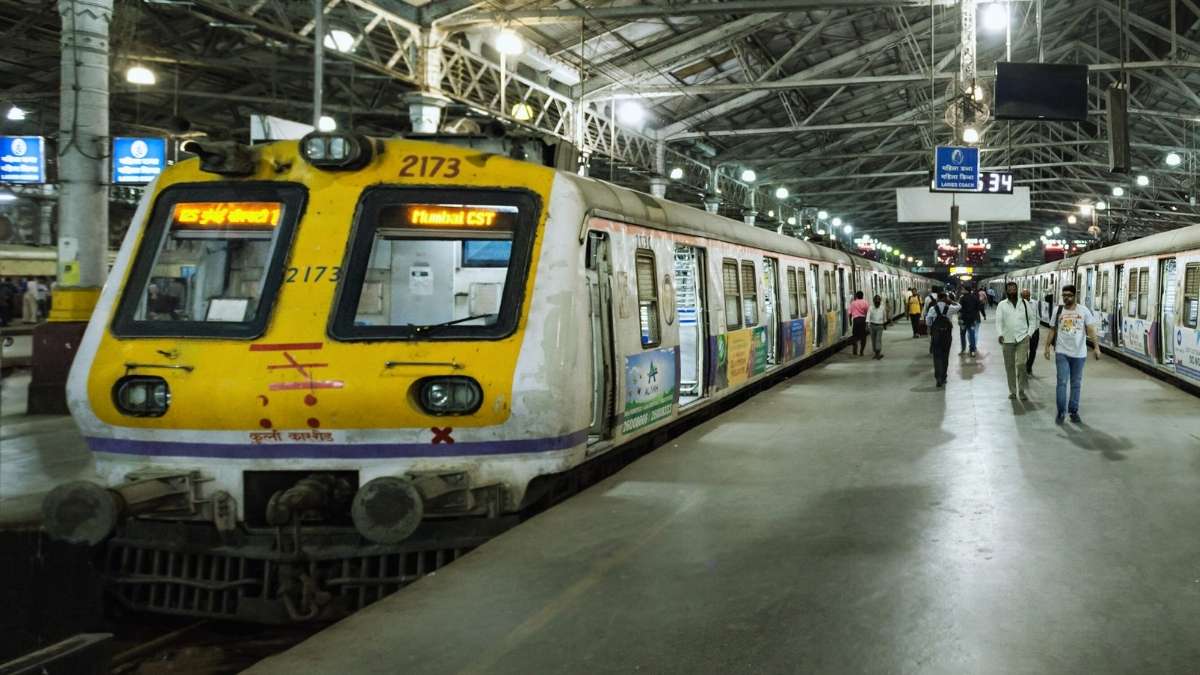
Mumbai is preparing for a transformative upgrade to its rail system, with an ambitious Rs 15,000 crore proposal that could reshape how the city’s commuters travel daily. The Mumbai Rail Vikas Corporation has laid out plans for three new corridors designed to separate suburban train services from long-distance passenger and freight traffic, easing pressure on one of the busiest rail networks in the world.
The proposal, which has been placed before the Maharashtra government for approval, covers key routes on the Central Railway. It includes new corridors along the Kalyan–Kasara and Kalyan–Karjat stretches, as well as a dedicated 60 km suburban line between Panvel and Vasai. Officials noted that once cleared, the project would mark a significant step in Phase 3B of the Mumbai Urban Transport Project, which seeks to modernise and expand the metropolitan region’s rail backbone.
According to railway officials, the purpose of this expansion is complete segregation of suburban and mainline traffic. At present, routes like Panvel to Vasai are heavily burdened as they are shared by both long-distance and suburban trains, often leading to delays and overcrowding. The new Panvel–Vasai corridor will be reserved exclusively for local trains, a move expected to enhance punctuality and reliability for suburban passengers. The project also incorporates two elevated flyovers from Vasai, one towards Virar and another towards Borivali. These flyovers are intended to streamline rail operations and reduce cross-movement conflicts, further improving efficiency across the network.
Planners argue that the expansion will be critical for regions such as Navi Mumbai, Panvel, Vasai–Virar, and Kalyan, where rapid urbanisation and population growth are intensifying the demand for reliable public transport. By enhancing suburban capacity, the corridors are expected to significantly reduce travel stress for millions who depend on Mumbai’s rail lifeline. Experts in urban mobility underline that beyond easing congestion, the corridors could play a key role in fostering more sustainable commuting. By shifting greater volumes of passengers onto suburban lines, the city could reduce reliance on road-based transport, curbing emissions and lowering the overall carbon footprint of daily travel. The project, if executed with renewable energy integration and modern green building techniques, could also align with national commitments to sustainable and low-carbon urban development.
However, transport specialists caution that timely approvals, land acquisition, and funding clarity will be crucial for the project’s success. Past delays in large infrastructure schemes have often left commuters waiting years for promised relief. If delivered on schedule, the new corridors could redefine commuting across Mumbai’s metropolitan region. For a city where suburban trains move more than seven million passengers daily, the expansion promises not just smoother journeys but also a more sustainable and resilient urban future.