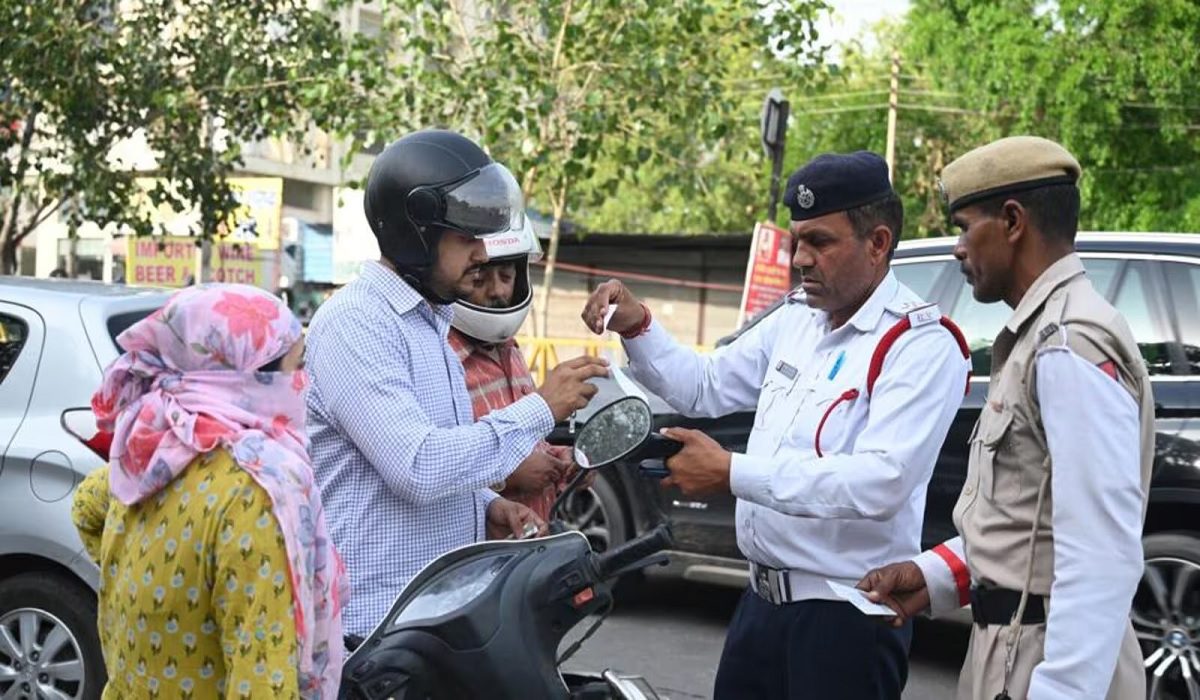
Mumbai traffic police issue 10000 e challans on violators during Dahi Handi
Mumbai’s festive spirit during Dahi Handi came with a heavy reminder on civic responsibility, as the city’s traffic police issued more than 10,000 e-challans in a single day. The penalties, amounting to nearly ₹1.13 crore, reflected the scale of violations reported during the vibrant celebrations that drew thousands to the streets.
Officials confirmed that the most common offences included riding without helmets, rash driving, wrong-lane usage, and triple riding. With heightened surveillance across major junctions, traffic enforcement officers and digital monitoring systems were deployed to keep the city’s busy roads safe.
According to senior officials, surveillance teams monitored live CCTV footage and mobile cameras to identify violators even in areas where physical policing was stretched. The move, they said, ensured that festival gatherings could proceed without compromising public safety or order. More challans are expected to follow after detailed review of recorded footage. While celebrations like Dahi Handi remain an essential part of Mumbai’s cultural calendar, the surge in violations highlights a pressing urban challenge: balancing heritage festivities with modern road discipline. The traffic police’s actions underline a broader message that sustainable city living depends on strict enforcement of civic rules, particularly in mega-cities where road networks are already under stress.
Transport experts have noted that irresponsible driving during crowded festivals not only disrupts mobility but also increases risks of avoidable accidents. They argue that robust enforcement, coupled with behavioural change campaigns, is critical to ensure safer celebrations. Equally, greater adoption of eco-friendly modes of commuting and responsible public behaviour can help reduce congestion, pollution, and accidents during large gatherings. The use of e-challan technology has also been lauded as a step towards greater transparency and accountability. Unlike traditional methods that depended heavily on manual intervention, digital challans create a verifiable record that is difficult to dispute. Officials emphasise that such technology-driven enforcement represents the future of urban governance, helping cities move towards smarter, more sustainable mobility systems.
For citizens, however, the fines serve as a costly reminder that festive fervour cannot justify indiscipline on the roads. Mumbai, a city already grappling with high vehicular density and limited road space, needs both authorities and citizens to adopt a collaborative approach towards traffic management. As enforcement intensifies, the civic lesson remains clear: festivals can be enjoyed responsibly only when safety and sustainability are kept at the centre of urban life.