


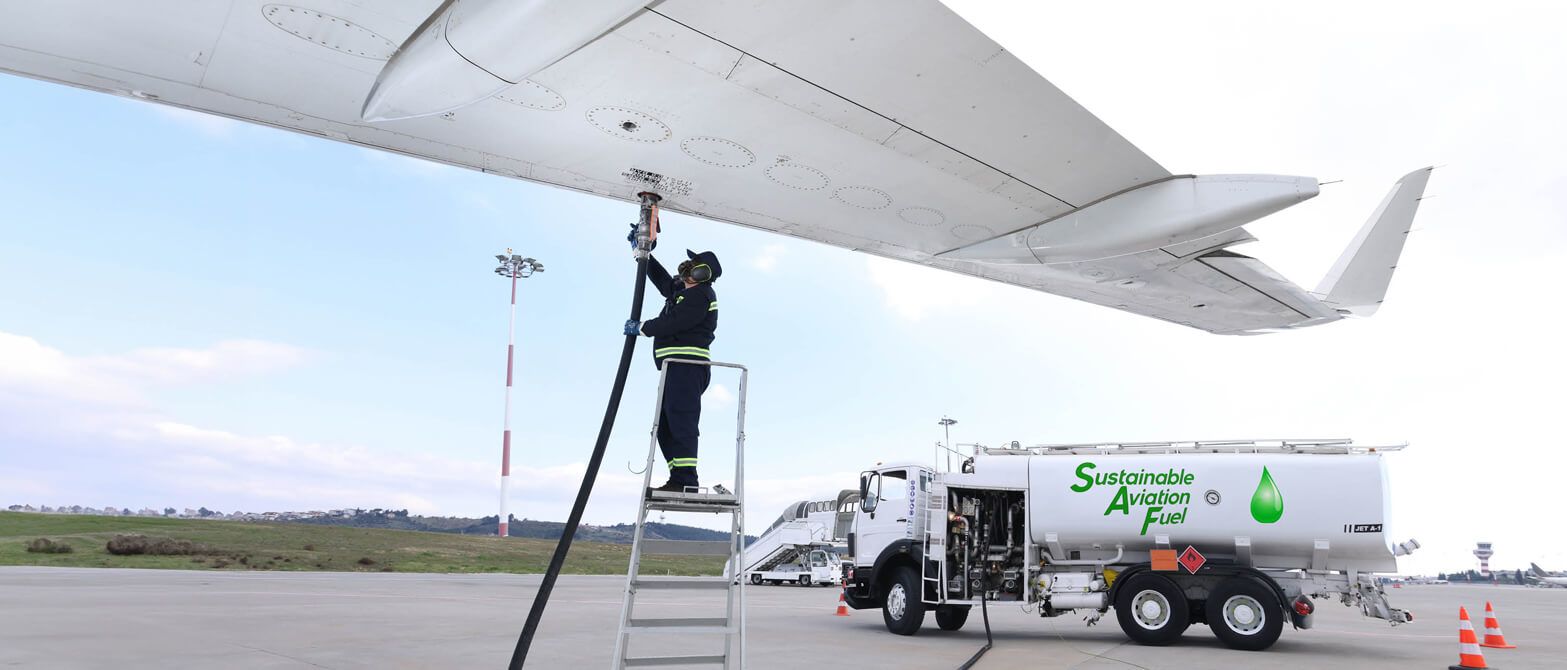
India’s aviation industry is preparing for a landmark transition to cleaner skies with sustainable aviation fuel (SAF) blending mandates. However, despite announcing official targets, the government has not yet identified airports for setting up SAF-blending infrastructure, raising questions about readiness ahead of global compliance deadlines.
The Ministry of Civil Aviation recently confirmed that India will implement SAF blending in aviation turbine fuel (ATF) for international flights starting in 2027. The targets begin with a 1 per cent blend in 2027, rising to 2 per cent in 2028 and 5 per cent by 2030. These commitments are designed to align with the Carbon Offsetting and Reduction Scheme for International Aviation (CORSIA), a global framework adopted by the International Civil Aviation Organization. Industry experts note that while the targets are progressive, the lack of clarity on airport infrastructure could delay effective implementation. Airports are central to this transition, as dedicated blending facilities will be required to supply SAF-integrated fuel consistently to airlines operating international routes. Without early planning, stakeholders fear last-minute rushes, logistical challenges, and cost overruns.
Officials have said that public sector oil companies are investing in pilot and commercial-scale plants to produce SAF, including standalone and co-processing units. These facilities are expected to deliver limited volumes of green fuel by mid-decade. However, unless airports are equipped with dedicated blending and storage systems, the fuel may not be integrated into the supply chain at scale. Sustainability advocates believe this delay in infrastructure planning risks undermining India’s climate leadership in the aviation sector. SAF is widely regarded as one of the most effective tools for reducing aviation’s carbon footprint, particularly on long-haul international flights where electric and hydrogen options remain technically distant. Global carriers such as those in Europe and the United States have already initiated large-scale SAF adoption, backed by government incentives and clear infrastructure policies.
In India, meanwhile, aviation stakeholders are urging a coordinated roadmap. They argue that a time-bound rollout of blending facilities at key international airports such as Delhi, Mumbai, Bengaluru, and Hyderabad will be critical if the 2027 targets are to be met. Experts emphasise that a decentralised approach, starting with major hubs, could ensure smoother integration before expanding to regional airports. The government’s commitment to SAF is consistent with its broader climate goals, including net zero by 2070. However, the absence of identified airports suggests gaps in execution planning. For India’s aviation ecosystem to stay competitive and sustainable, officials say, urgent policy direction is required to move from targets on paper to infrastructure on the ground.
At present, the delay leaves airlines and passengers uncertain about how India’s aviation sector will meet its green commitments in time. The coming two years will be decisive in determining whether the country can bridge the gap between ambitious targets and operational readiness.
Also Read: Delhi Airport to Noida commute cut to 20 minutes via UER-II expressway
