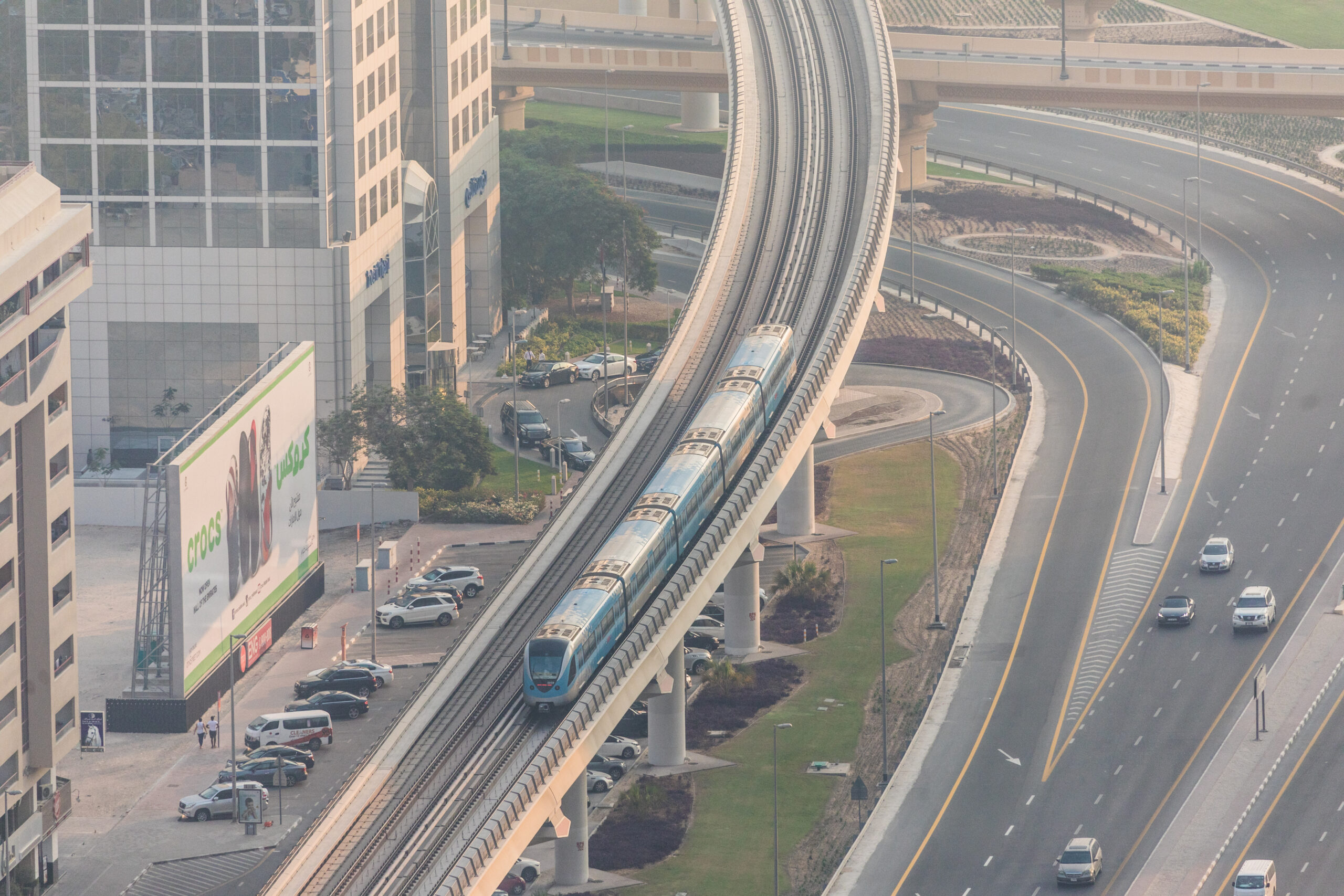
Pune demands smoother traffic flow near Metro station
The Yerawada Metro station, a crucial stop on the Vanaz–Ramwadi corridor, has sparked a civic debate after residents and local representatives raised concerns over its entry and exit design. Citizens argue that the current plan will choke Nagar Road, one of the city’s busiest arterial stretches, unless corrective measures are urgently adopted.
The station, located near Parnakuti Chowk and barely a kilometre from the Airport Road junction, is expected to witness significant commuter footfall. However, the existing entry-exit structure, already under construction, is positioned in a manner that would reduce the carriage width of the road, restricting space for vehicular traffic. Local voices caution that this could diminish the carrying capacity of Nagar Road, worsening peak-hour congestion in an area that already suffers from bottlenecks.
Citizen groups and mobility experts are pressing for a redesign that accommodates both pedestrian movement and traffic flow. They argue that the present alignment eats into vital road space that should be reserved for vehicles, and instead suggest shifting the entry-exit point closer to the footpath. According to their assessment, such a realignment would preserve road capacity while ensuring safer commuter access.
Parking, or the lack of it, has emerged as another pressing issue. Residents stress that without dedicated facilities, vehicles will resort to roadside parking near the station, further clogging the stretch. The demand for a multi-level parking solution has therefore gained traction, with urban planners emphasising that last-mile connectivity and parking provision are critical to the Metro’s long-term success. Officials of the metro rail corporation have confirmed that work on the entry-exit design commenced nearly four months ago, following consultations with the municipal corporation. While they maintain that due process was followed, they acknowledge growing disquiet among citizens. Authorities have assured that discussions with the city’s civic body will be held shortly to explore possible modifications, hinting at an upcoming meeting with the municipal chief.
Mobility experts note that the situation reflects a recurring challenge in Indian cities—large infrastructure projects that overlook integration with existing urban fabric. They caution that Metro projects, while transformative, risk losing public trust if they fail to prioritise ease of access, safety, and sustainable traffic management. Given Pune’s chronic congestion, a poorly designed access point could undermine the very mobility gains that the Metro aims to deliver. For now, Yerawada has become a microcosm of the larger urban dilemma: how to balance mass transit development with liveability, ecological sense, and long-term traffic resilience. While authorities have promised to review citizen concerns, residents remain steadfast that without design corrections, the Metro station may worsen rather than ease the city’s mobility crisis.