


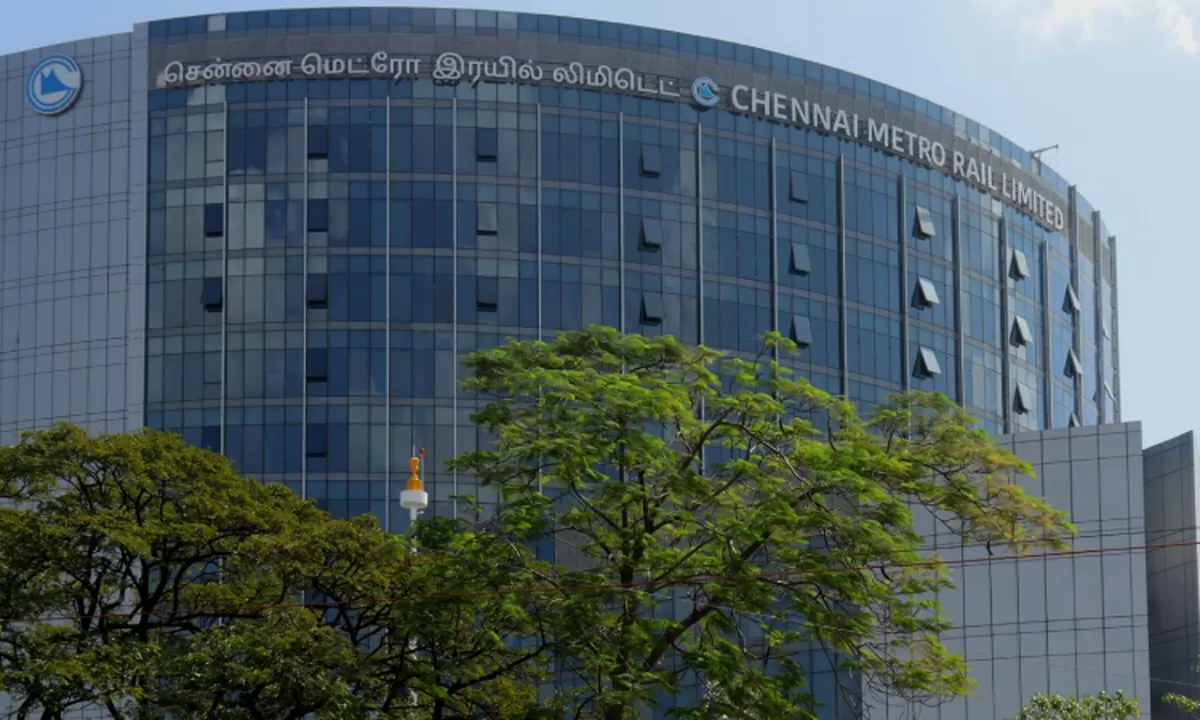
Chennai Metro Rail Limited (CMRL) has taken a decisive step towards expanding the city’s rapid transit network by awarding detailed project report (DPR) contracts for two critical extensions: Lighthouse to High Court and Tambaram–Guindy–Velachery. These moves are expected to significantly enhance connectivity across southern Chennai, improve commuter convenience, and integrate multimodal transport options, supporting sustainable urban mobility.
The 7-kilometre Lighthouse–High Court corridor is designed to strengthen access along the Marina Beach stretch and the State Secretariat area, serving both office-goers and tourists. Meanwhile, the approximately 21-kilometre Tambaram–Guindy–Velachery route aims to link southern suburbs—including Tambaram, Medavakkam, Pallikaranai, and Velachery—to the Guindy Metro station on Corridor 1, which spans Washermenpet to Chennai Airport. By connecting residential, commercial, and industrial hubs, the extension will reduce travel times while enhancing last-mile connectivity. CMRL has awarded the DPR contracts to Systra MVA Consulting India, with Rs 3.82 million allocated for the Lighthouse–High Court line and Rs 9.619 million for the Tambaram–Guindy–Velachery corridor. Both studies are expected to conclude within 120 days, providing detailed evaluations of route alignment, ridership projections, technical feasibility, and opportunities for multimodal integration. Experts emphasise that these studies will form the backbone for strategic decision-making and eventual project implementation, ensuring an efficient and commuter-focused design.
In parallel, the Greater Chennai Corporation (GCC) has proposed a 3-kilometre, three-lane flyover along Sardar Patel Road to Velachery Main Road junction. This infrastructure, planned to operate alongside the Metro extensions, is projected to ease congestion at major intersections such as Race Course Road, Five Furlong Road, Velachery Bypass junction, and Velachery Main Road. Officials point out that combining elevated Metro lines with targeted road improvements represents a sustainable approach to urban mobility, minimising vehicular emissions and promoting faster, safer transit. Urban planning experts highlight that the strategic focus on connecting southern suburbs with core commercial zones is consistent with Chennai’s larger vision of eco-friendly, gender-neutral, and equitable city development. By integrating rapid transit with road and bus networks, these projects are likely to reduce reliance on private vehicles, lower carbon emissions, and support a more resilient metropolitan transport system.
CMRL officials stated that the DPRs will assess not only technical and operational feasibility but also opportunities for green infrastructure, pedestrian-friendly corridors, and seamless multimodal connections at key hubs such as Tambaram, Medavakkam, Velachery, and Guindy. These measures align with the city’s broader goals of building sustainable and inclusive urban mobility solutions that benefit both daily commuters and long-term urban planning objectives. With Chennai Metro poised to expand its footprint through these DPR-led initiatives, the city is moving closer to a fully integrated, high-capacity, and environmentally conscious transit network. These extensions mark a pivotal step in shaping Chennai’s urban future, providing faster, safer, and more sustainable travel for its growing population.
Also Read : Chennai Braces For Warm Weather With Intermittent Rain This Week
