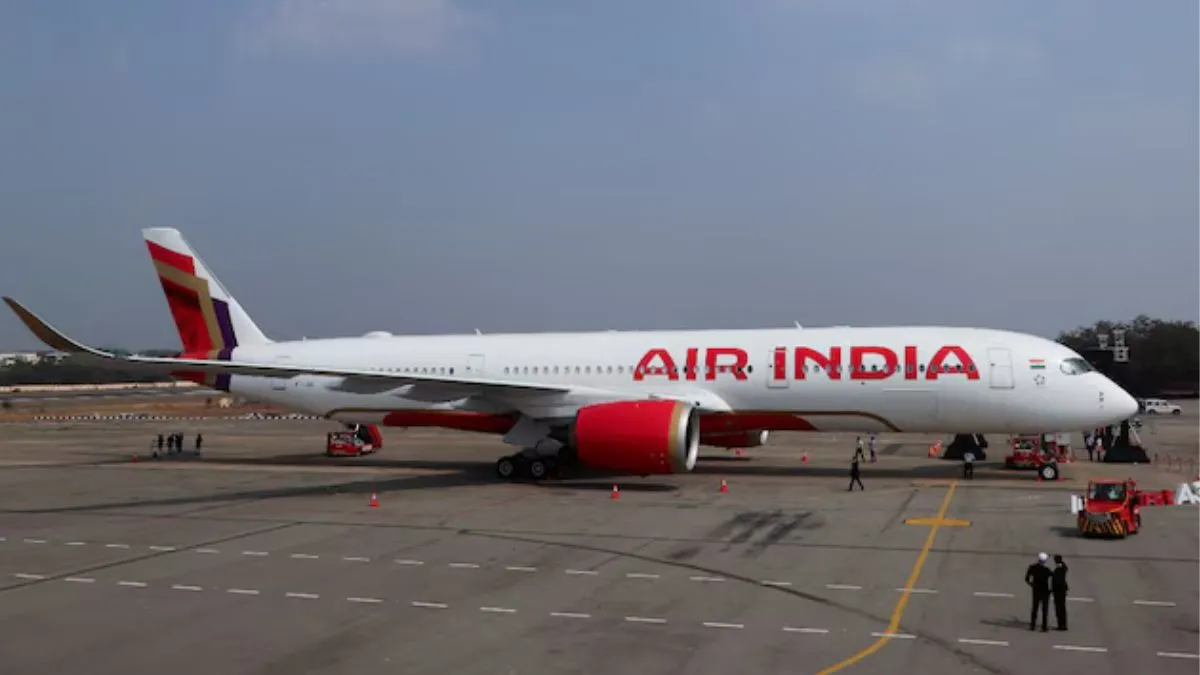
Bangalore London Flights Exceed Limit DGCA Issues Airline Compliance Warning
Two Bangalore–London flights operated in May breached the 10-hour limit set under India’s Civil Aviation Requirement (CAR), prompting the Directorate General of Civil Aviation (DGCA) to issue a formal warning to the airline. The regulator’s probe revealed the flights exceeded permissible duration without a sufficient operational justification, triggering concerns over compliance and safety oversight.
The DGCA’s intervention followed a spot inspection of the Bangalore–London route, where two services were found to have operated beyond the Civil Aviation Requirement (CAR) limits on May 16 and 17. Officials noted that such breaches not only challenge regulatory oversight but could also raise concerns over crew duty hours, operational safety, and passenger welfare. According to the airline’s internal explanation, the breaches arose from an operational misinterpretation linked to temporary permissions granted during regional airspace restrictions. The carrier stated that once the correct directive was communicated, rostering adjustments were made to ensure immediate compliance. The DGCA, however, found the justification inadequate and stressed that misinterpretation of rules cannot excuse regulatory lapses.
In its formal communication dated August 11, the DGCA reminded the airline’s senior management of its responsibility to ensure full compliance with CAR guidelines. The letter highlighted that the accountable executive had failed to demonstrate adequate diligence in upholding the prescribed operational limits. Regulators underscored that such instances, even if isolated, have the potential to undermine the consistency of safe operations across the sector. Aviation experts note that adherence to international flight time limits is critical not only for regulatory conformity but also for safeguarding sustainable operations. Excessive flight durations can increase fuel burn, disrupt scheduling efficiency, and affect crew alertness—factors that carry both safety and environmental implications. In the case of long-haul services like Bangalore–London, any unplanned extensions can compound carbon emissions and operational costs, challenging industry commitments to greener, more efficient aviation practices.
While the regulator’s warning does not carry immediate penalties, it serves as a signal that oversight bodies are tightening scrutiny over operational discipline, particularly on busy international corridors. Industry analysts say the episode reinforces the need for airlines to maintain robust internal checks, especially on routes with variable airspace constraints and complex scheduling patterns. The DGCA’s stance reflects a broader regulatory focus on ensuring India’s aviation sector aligns with both safety imperatives and evolving global sustainability targets. For passengers, the move is a reminder that time limits and route regulations are not mere bureaucratic procedures—they form part of a safety net designed to protect travel reliability, environmental responsibility, and operational integrity.