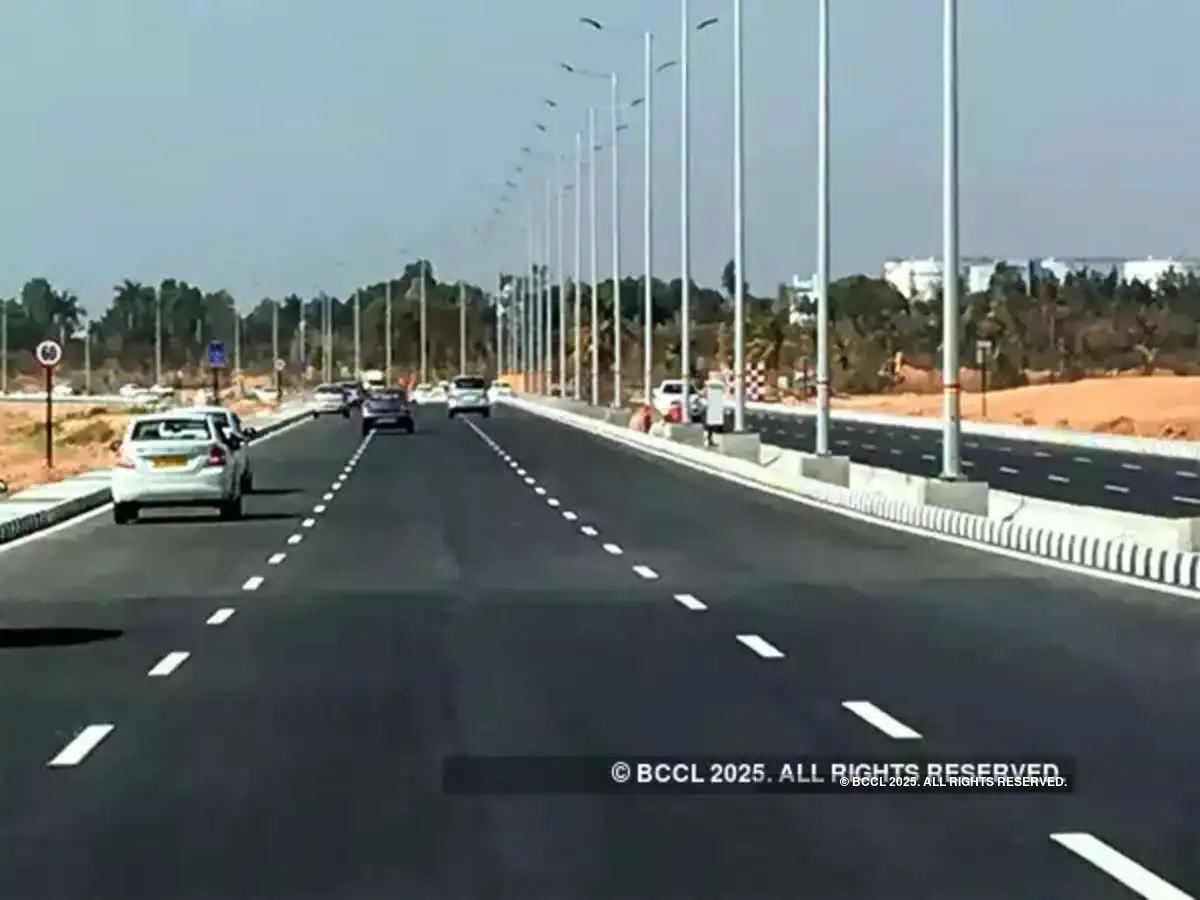
India’s highway sector has set a new benchmark with 10,660 kilometres built in FY 2024–25, surpassing annual targets and signalling a strong push towards infrastructure expansion. With ₹3 trillion worth of projects planned for FY 2025–26, the focus now shifts to faster execution, sustainable design, and innovative financing, as the country prepares to upgrade its road network for both economic growth and climate resilience.
For FY 2025–26, MoRTH aims to award projects worth ₹3 trillion, with nearly 1,994 kilometres of highways already constructed in the first months of the fiscal year. Officials said the expansion will focus on key expressway corridors, economic freight routes, and climate-resilient infrastructure to support India’s rapidly growing mobility demands.To finance this push, the ministry is accelerating asset monetisation, targeting ₹330 billion in FY 2025–26, compared to ₹287.24 billion in the previous fiscal. This includes monetising operational stretches to raise capital for new projects without straining public finances, while exploring innovative funding partnerships with the private sector.
Also Watch: An Exclusive Interview with Sanjeev Jaiswal (IAS), CEO MHADA
Infrastructure experts note that while construction speed remains critical, future highways must align with sustainable mobility goals. This means integrating eco-friendly construction materials, renewable-powered lighting, biodiversity corridors, and advanced stormwater management systems to create highways that are both high-capacity and environmentally responsible. In recent years, MoRTH has been promoting greenfield expressways designed to reduce congestion and emissions by bypassing urban bottlenecks.Highlighting these priorities, the upcoming RAHSTA Expo & Conference 2025 scheduled for 3-4 September at Mumbai’s Jio World Convention Centre will serve as a key platform for policymakers, engineers, and industry leaders to share best practices and innovations in highway construction. The conference will feature discussions on next-generation road technologies, digital monitoring of construction quality, and resilience strategies for highways exposed to extreme weather events.Officials have emphasised that the success of India’s road expansion strategy depends not only on the number of kilometres built but also on improving the quality and safety of the network. Accident-prone stretches are being redesigned, with better road geometry, enhanced signage, and upgraded crash barriers. Special attention is being given to freight-dense corridors, which are critical for reducing logistics costs and enhancing India’s export competitiveness.
The sustained pace of construction and the large investment pipeline signal a shift towards long-term infrastructure planning, where connectivity is paired with economic and environmental outcomes. For a country aiming to double its manufacturing and trade volumes in the coming decade, a robust, sustainable highway network will be essential.With record construction achieved and an even larger programme ahead, India’s highway sector is entering a decisive phase one where speed, sustainability, and smart financing must work together to deliver the next generation of national roads.
India Builds 10660 Km Highways Targets Rs 3 Trillion Projects