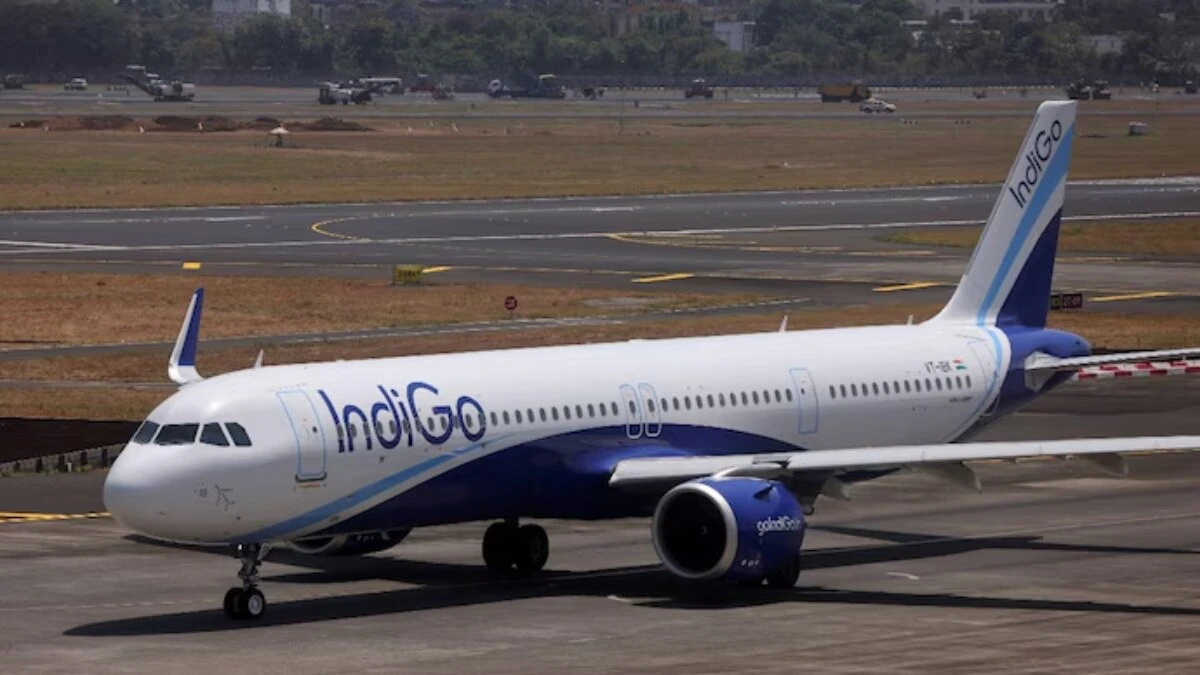
IndiGo To Start Direct Mumbai Flights To Tashkent, Almaty From September
Mumbai is set to strengthen its global aviation network with direct flights to Tashkent in Uzbekistan and Almaty in Kazakhstan, beginning this September, marking another step in positioning the city as a key hub for international travel.The services, to be operated by IndiGo, will start on 1 September 2025 for Tashkent and 2 September 2025 for Almaty. Both routes will run four times a week, reducing travel times and eliminating the need for layovers in Gulf or other transit cities. Bookings are now available through the airline’s website and mobile application.
Officials from the airline said the move follows the recent launch of Mumbai–Tbilisi flights and reflects a deliberate strategy to expand Mumbai’s reach into Central Asia, catering to both leisure and business travellers. The region, known for its mix of cultural heritage, natural landscapes, and growing trade potential, has seen increased interest from Indian passengers in recent years.Industry analysts note that direct connectivity to Central Asian capitals opens opportunities for tourism, education, and business partnerships. Shorter travel times could make the destinations more appealing to Indian travellers seeking alternatives to traditional European or Southeast Asian trips, while also facilitating inbound tourism from Central Asia into India.
The Mumbai–Tashkent service will depart on Mondays, Wednesdays, Fridays, and Sundays at 09:55, arriving at 15:00. Return flights from Tashkent will leave on Mondays, Wednesdays, Thursdays, and Saturdays at 16:20, arriving in Mumbai at 21:55. The Mumbai–Almaty flights will depart on Tuesdays, Wednesdays, Fridays, and Sundays at 19:00, landing at 00:25 the following day, while return flights will depart on Mondays, Wednesdays, Thursdays, and Saturdays at 01:25, arriving in Mumbai at 08:20.Aviation experts see this as part of a broader pattern of Indian carriers diversifying their international routes to emerging markets, especially in regions with untapped tourism and business links. Central Asia’s strategic location along trade corridors linking Europe and Asia adds to its appeal for airlines seeking growth beyond saturated long-haul destinations.
From a sustainability perspective, direct flights are considered more efficient than multi-stop itineraries, reducing total emissions per passenger. However, industry observers point out that the benefits depend on load factors and operational efficiency, making strong demand vital for the routes’ long-term viability.For Mumbai, these new services add to its growing portfolio of direct global connections, enhancing its status as a gateway city. The developments also align with the wider trend of Indian metros becoming focal points for outbound travel to less conventional but high-potential international destinations.With the addition of Tashkent and Almaty, Mumbai travellers will now have faster, more convenient access to Central Asia’s markets and attractions, signalling a new chapter in India’s aviation outreach.