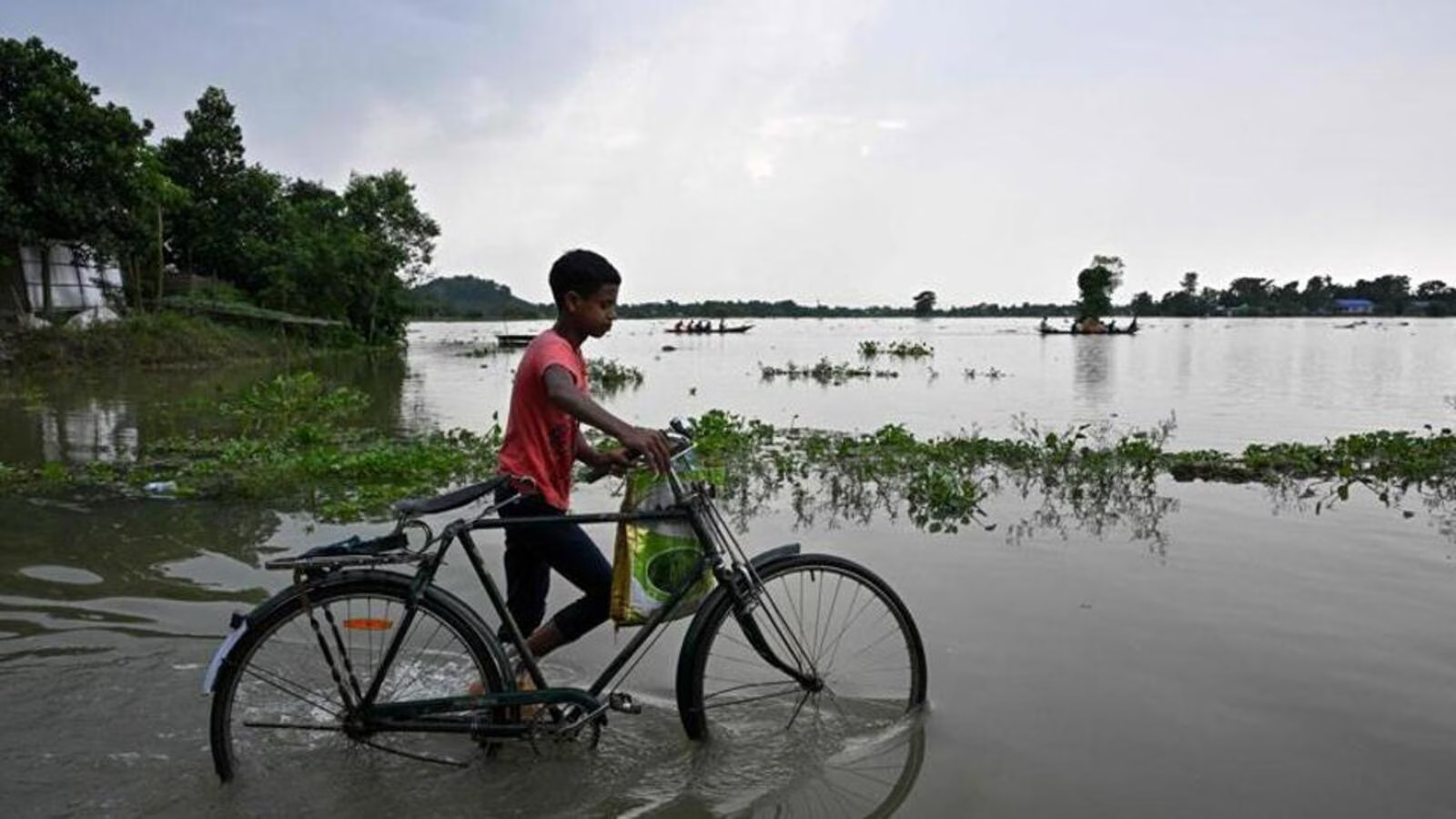
Assam Sees Major Rain Deficit As Four Northeast States Report Poor Monsoon
Assam and four other states in India’s Northeast are grappling with a substantial monsoon rainfall deficit, a trend that is fuelling concerns over the region’s agrarian economy and broader societal resilience. As national rainfall totals hover near the long-period average, the striking disparity in precipitation across the country has exposed a critical fault line in India’s climate vulnerability. The uneven distribution of rain, a recurring pattern in recent years, presents a formidable challenge to the sustainability of the region’s cities and rural communities, directly impacting food security and the pursuit of an equitable future for its populace.
Official data from the India Meteorological Department indicates a worrying seasonal shortfall for several states. Between June and early August, Assam recorded a 37% deficit, while Meghalaya, a state known for its record rainfall, suffered an even more severe deficit of 45%. Other states like Arunachal Pradesh and Sikkim registered shortfalls of 40% and 20% respectively. The neighbouring state of Bihar also experienced a 25% deficit. These figures collectively highlight a regional crisis that is deepening with each passing week of the monsoon season. This persistent lack of precipitation has created drought-like conditions in some areas, placing immense pressure on the land and the communities that depend on it for their survival.
Experts warn that the long-term implications of this rainfall deficit extend far beyond agriculture. The region’s power generation, heavily reliant on hydroelectric projects, is at risk, which could create a ripple effect across industrial and domestic sectors. Water scarcity, particularly for drinking and sanitation, poses a serious threat to public health and urban living conditions, challenging the core tenets of equitable and sustainable city development. In a landscape where communities are intrinsically linked to their natural environment, this climate shift represents a significant threat to a balanced, eco-friendly existence.
The core of the problem lies in the direct impact on the rural economy. With a majority of the population engaged in agriculture, the timely arrival and consistency of the monsoon are non-negotiable for crop cycles. The lack of sufficient rain during the critical sowing and transplantation periods for crops like Sali paddy, a staple in the region, has already resulted in widespread crop damage and potential yield reductions. This not only threatens the livelihoods of countless farming families but also raises legitimate fears of food price inflation and supply chain disruptions, thereby impacting the larger urban populations. The situation calls for urgent, climate-resilient strategies and a re-evaluation of current farming practices to secure the future of these agrarian communities.
As officials monitor the evolving situation, the deficit serves as a stark reminder of the urgent need for robust climate action and infrastructural resilience. While the IMD has suggested a potentially wetter second half of the monsoon season for the country as a whole, it has also cautioned that parts of the Northeast are likely to remain on the drier side. This forecast reinforces the reality that the region cannot rely on unpredictable weather patterns alone. Instead, a concerted effort is required to invest in sustainable water management systems, drought-resistant crop varieties, and effective public policies that can mitigate the economic and social fallout of such climate shifts, thereby safeguarding the region’s path towards a truly zero net carbon and equitable future.