


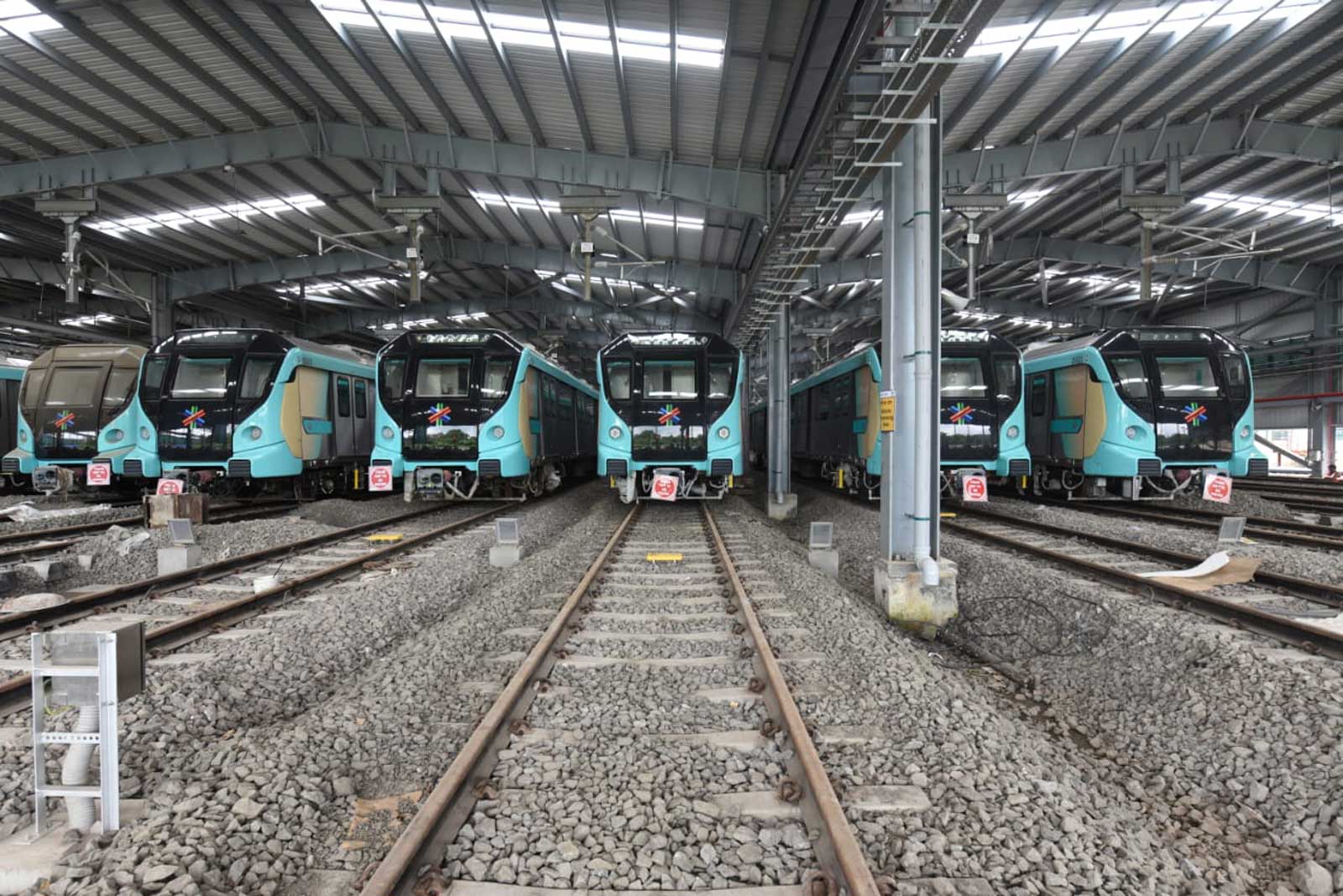
Mumbai’s underground Metro Line 3, popularly known as the Aqua Line, is set to undergo a strategic push to improve passenger numbers through targeted promotions, discounts, and corporate partnerships. Officials from the Mumbai Metro Rail Corporation (MMRC) have confirmed plans to roll out the initiative once the entire 33.5 km corridor, from Aarey to Cuffe Parade, becomes fully operational by late 2025.
The metro’s staggered inauguration has seen partial ridership gains. The most recent 9.77 km section from Bandra Kurla Complex to Worli’s Acharya Atre Chowk opened earlier this year, boosting weekday footfalls to over 52,500. However, this is far below the projected 1.4 million daily passengers anticipated once the entire line is functional. In the initial phase, before the second section opened, average occupancy was a mere 91 passengers per trip against a train capacity of 2,500. To address the shortfall, MMRC is considering appointing a specialised agency to design and implement a ridership growth strategy. This would include engaging with major commercial buildings, airport terminals, educational institutions, and social hubs along the route. The proposal involves deploying kiosks—both staffed and digital—with QR codes directing potential users to the metro’s mobile application, offering information and ticketing convenience.
Officials have hinted that promotional offers, such as discounted rates on the first monthly pass, may form part of the campaign to convert road commuters to metro users. Additionally, the corporation is exploring collaborations with online platforms, mobile wallet providers, and government-backed ticketing systems like the Indian Railways’ Unreserved Ticketing System. There are also discussions to integrate Line 3 routes into Google Maps to provide seamless trip planning for passengers. Improving last mile connectivity will be a key focus. MMRC plans to engage private taxi aggregators, e-bike rental services, and bus operators to ensure smooth access to and from stations. Such measures could be pivotal in making the metro a preferred alternative to private vehicles, thereby easing road congestion and contributing to the city’s sustainability goals.
The project has not been without challenges. The revised cost has escalated to ₹37,275.5 crore, significantly higher than the original estimate of ₹23,136 crore, primarily due to construction delays and environmental concerns. The metro’s depot location and tree felling at Aarey Milk Colony were met with strong opposition from environmental groups, sparking debates on urban development and ecological preservation. While the promotional drive will not commence until months after the full commissioning, transport experts believe such measures could be vital in achieving the intended social, environmental, and economic benefits of the Aqua Line. If successful, this could set a precedent for other Indian metro systems seeking to balance infrastructure investment with sustainable urban mobility.
Also Read : FASTag Annual Pass Launching August 15 With Fixed Fee And Trip Limit
