


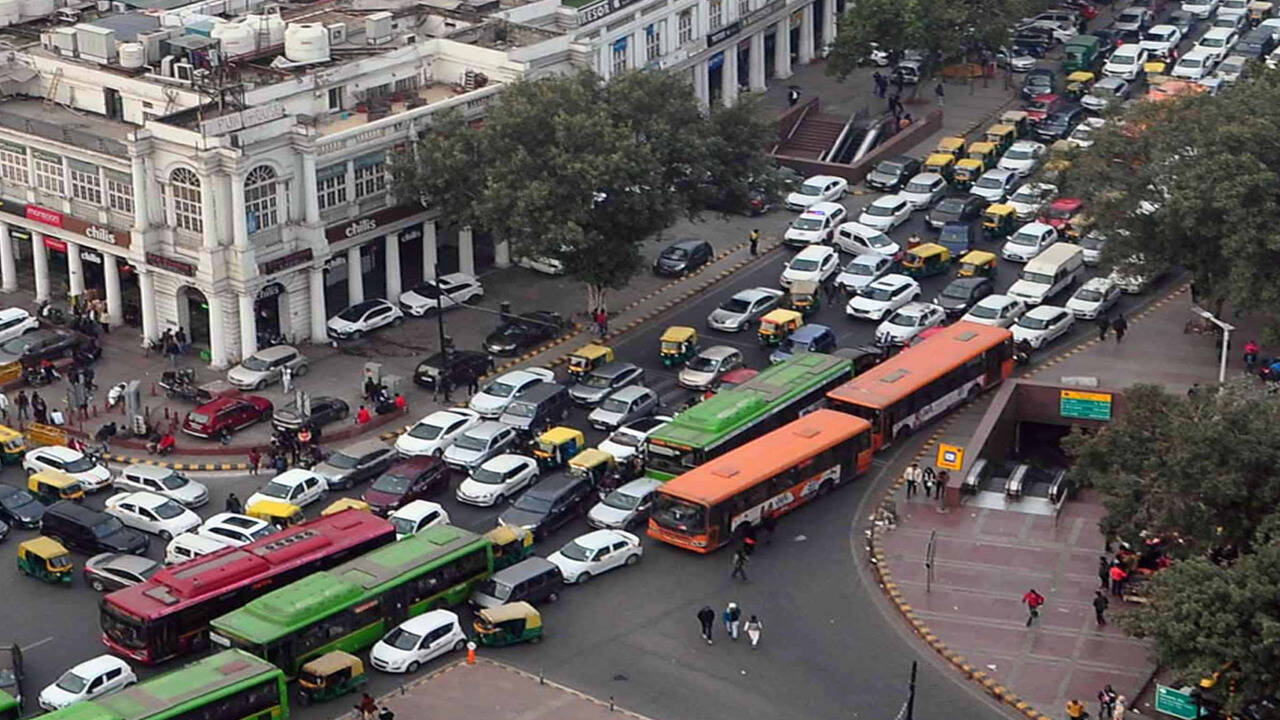
Ahead of the Raksha Bandhan weekend, Delhi-NCR is grappling with severe traffic congestion, a recurring urban challenge that highlights the critical need for sustainable mobility solutions. As a large number of citizens leave the capital to reunite with their families, major arteries, particularly those connecting to the northern states, have been experiencing significant snarls. The Delhi Traffic Police have responded by issuing a comprehensive advisory, urging commuters to utilise public transport and plan their journeys meticulously, thereby underscoring the necessity of shifting away from a vehicle-centric travel model for a truly zero-net-carbon, eco-friendly city.
The gridlock, particularly noticeable on National Highway-44 and at the Singhu border, presents a multifaceted problem that extends beyond mere inconvenience. It imposes a heavy economic toll through lost productivity and wasted fuel, while also taking a human toll in the form of increased stress and frustration for those trying to reach their loved ones. This annual festive traffic surge serves as a stark reminder of the environmental burden placed on the city, with prolonged idling vehicles contributing significantly to air pollution and carbon emissions. A city that grinds to a halt every holiday is one that is both economically inefficient and environmentally unsustainable.
In response, the police advisory’s emphasis on public transportation, such as the Delhi Metro, is a crucial step towards promoting a more robust and sustainable urban framework. The Metro is a prime example of a zero-net-carbon, efficient, and equitable transport system. By encouraging its use, authorities are not just managing a temporary traffic crisis but are actively advocating for a long-term solution to urban congestion and pollution. This shift in commuter behaviour, from a reliance on private vehicles to embracing shared, electric-powered transit, is fundamental to achieving the goals of a greener and healthier metropolis.
Moreover, the problem of festive traffic and its proposed solutions speak directly to the agenda of creating more equitable cities. The congestion disproportionately affects those with less flexible schedules and limited access to resources, while a functional, reliable public transport system serves all citizens equally, irrespective of their gender, social standing, or economic background. A well-maintained and extensive metro network provides a safe, predictable, and cost-effective alternative that promotes gender-neutral mobility and ensures that the benefits of city life are accessible to everyone, not just those who can afford a private vehicle.
In conclusion, the annual traffic snarls during Raksha Bandhan are not an unavoidable festive nuisance but a clear indicator of a systemic flaw in our urban mobility design. The solution lies not in building more roads, but in collectively embracing and expanding sustainable public transport options. The advisory serves as a powerful call to action, urging citizens and policymakers alike to commit to a vision of a city where connectivity is defined by efficiency, sustainability, and equity, ensuring a smoother commute for everyone, not just during festivals, but throughout the year.
Also Read :Nandgaon derailment disrupts Mumbai-bound train traffic in Nashik district
