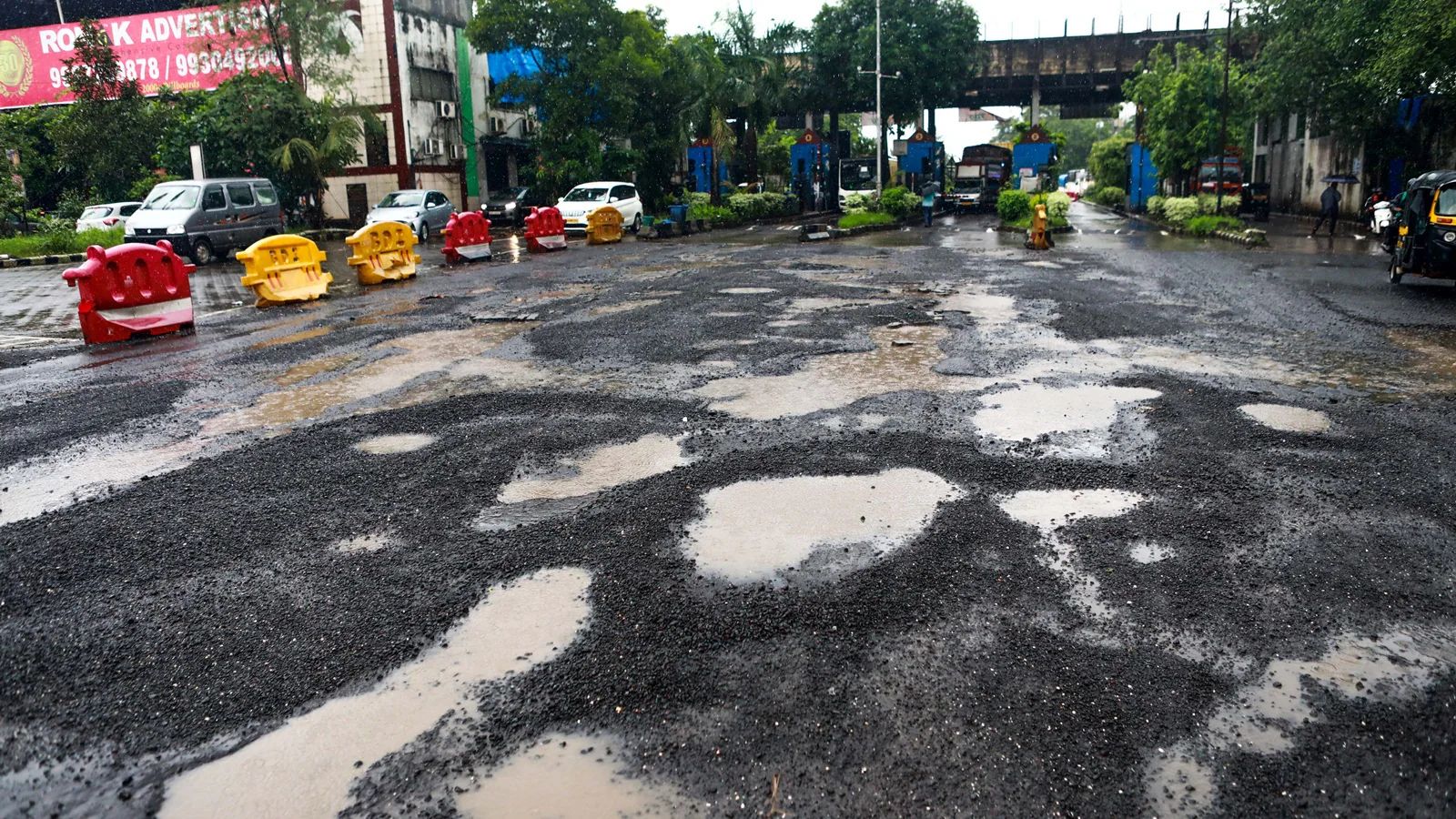
Bengaluru residents flood internet with complaints on unsafe rain-hit streets
Bengaluru’s prolonged monsoon showers have left large stretches of its urban road network battered, unsafe, and at times, almost unmotorable, prompting an outpouring of citizen anger on social media. Residents across multiple neighbourhoods have reported severe waterlogging, potholes hidden under murky rainwater, and stretches of roads rendered slippery by mud and peeling asphalt.
In the eastern belt, including Whitefield and surrounding areas, commuters say critical arterial routes have turned into accident-prone zones. According to local transport experts, heavy downpours coupled with poor surface maintenance have led to extensive asphalt erosion on several stretches, exposing loose gravel and creating deep potholes that are difficult to spot during rain.
Transport analysts note that this pattern is not unique to Whitefield. The Varthur region has seen similar deterioration, with layers of road tar peeling away within days of resurfacing work. This raises pressing questions over material quality, contract compliance, and the speed at which roads are being reopened to traffic after repairs. In Panathur and Gunjur, a key commuter link has been reduced to a mud-covered track. Experts say such conditions are a direct consequence of inadequate drainage systems along busy corridors. Without proper stormwater channels, silt and debris are deposited directly onto road surfaces, creating skid hazards for two-wheelers and slowing down vehicular movement.
The impact extends beyond the tech corridors. In northern areas like Kodigehalli and Yelahanka New Town, ongoing infrastructure projects, including metro construction, have compounded the problem. Partially completed roadwork and uneven surfaces trap water, creating invisible potholes under the floodwater. Transport planners warn that these conditions not only risk accidents but also cause significant delays to daily commutes, with ripple effects on productivity. Similar complaints have been raised in Hennur and Horamavu, where deepening potholes and flooding have forced riders to navigate what commuters describe as “daily obstacle courses”. Urban mobility specialists emphasise that the city’s drainage network, which was designed decades ago, is unable to cope with the increased intensity of monsoon showers caused by changing climate patterns.
Environmental planners stress the urgent need for sustainable road design in Bengaluru, including climate-resilient asphalt mixtures, proper slope engineering for water runoff, and integration of green infrastructure to absorb rainwater before it floods streets. Without such long-term measures, they caution, Bengaluru will continue to witness the same cycle of monsoon damage, ad-hoc repairs, and commuter distress every year. For now, motorists are left navigating a city where every downpour threatens both safety and mobility. While civic authorities have assured prompt pothole repairs, urban experts argue that unless the focus shifts to durable, eco-friendly road construction and effective stormwater management, the problem will remain a recurring monsoon crisis for India’s technology capital.