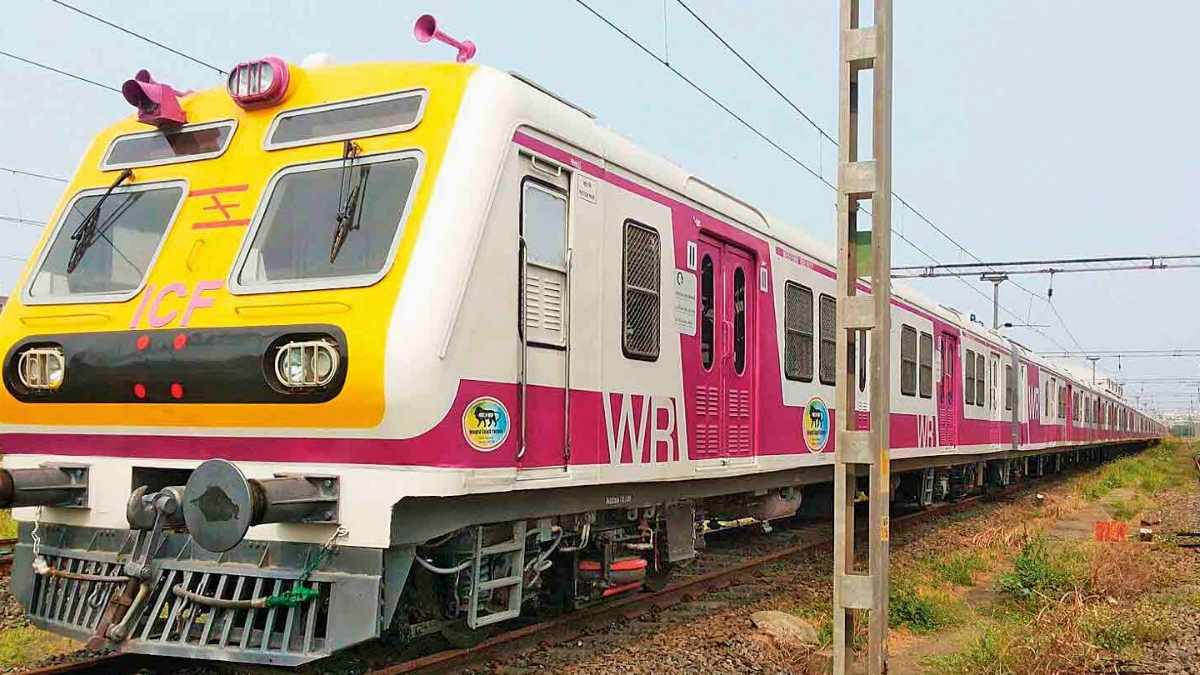
Mumbai’s suburban rail network is on the cusp of a transformative expansion as eight companies, including major global players, compete to lead the next upgrade under the Mumbai Urban Transport Project’s fourth phase. The Mumbai Railway Vikas Corporation (MRVC) has begun detailed technical studies to define the scope, feasibility, and sustainability measures for the multi-pronged infrastructure programme.
Launched in 2002, the Mumbai Urban Transport Project has steadily reshaped the city’s lifeline from introducing faster, more spacious trains to building new corridors that ease congestion. Phase 4 represents a critical leap forward, aiming not just at capacity enhancement but at delivering a safer, more energy-efficient, and regionally integrated suburban system.Officials have confirmed that Phase 4 will push local train services deeper into the Mumbai Metropolitan Region (MMR), offering improved connectivity to rapidly urbanising areas. A hallmark of the plan is the integration of Communications-Based Train Control (CBTC) a cab signalling technology designed to cut train headways alongside the indigenously developed Kavach safety system, which prevents collisions and enhances operational reliability.
Also Watch: An Exclusive Interview with Sanjeev Jaiswal (IAS), CEO MHADA
In parallel, the blueprint includes direct rail connectivity between Central and Western Railway lines, a move set to redefine passenger movement across the city. New corridors are also planned to address demand in high-growth zones, reducing dependency on road transport and thereby contributing to lower urban emissions. The adoption of more 15-car and air-conditioned trains is expected to improve passenger comfort while meeting sustainability goals through energy-efficient rolling stock.Transport experts note that MUTP Phase 4 has been informed by the Mumbai Metropolitan Region Development Authority’s Comprehensive Transport Study 2021, ensuring that the project aligns with broader urban mobility and climate resilience strategies. These plans also integrate global best practices in signalling, safety, and service optimisation to support Mumbai’s long-term shift towards a net-zero carbon public transport ecosystem.
While the competitive bidding process remains ongoing, industry observers believe that the scale and complexity of Phase 4 will demand not just engineering expertise but a commitment to sustainable urban mobility principles. For millions of commuters who rely on Mumbai’s suburban trains daily, the upcoming changes could mean faster journeys, fewer delays, and more reliable connections all within a safer, cleaner, and greener framework.As MRVC moves ahead with its studies and tenders, the project’s success will hinge on transparent execution, stakeholder cooperation, and timely delivery factors that have been repeatedly flagged as critical to sustaining public trust and meeting the city’s growing mobility needs. If implemented effectively, MUTP Phase 4 could become a defining model for urban rail transformation in India.
Mumbai Rail Upgrade Project Draws Eight Competitive Bids From Leading Infrastructure Firms