


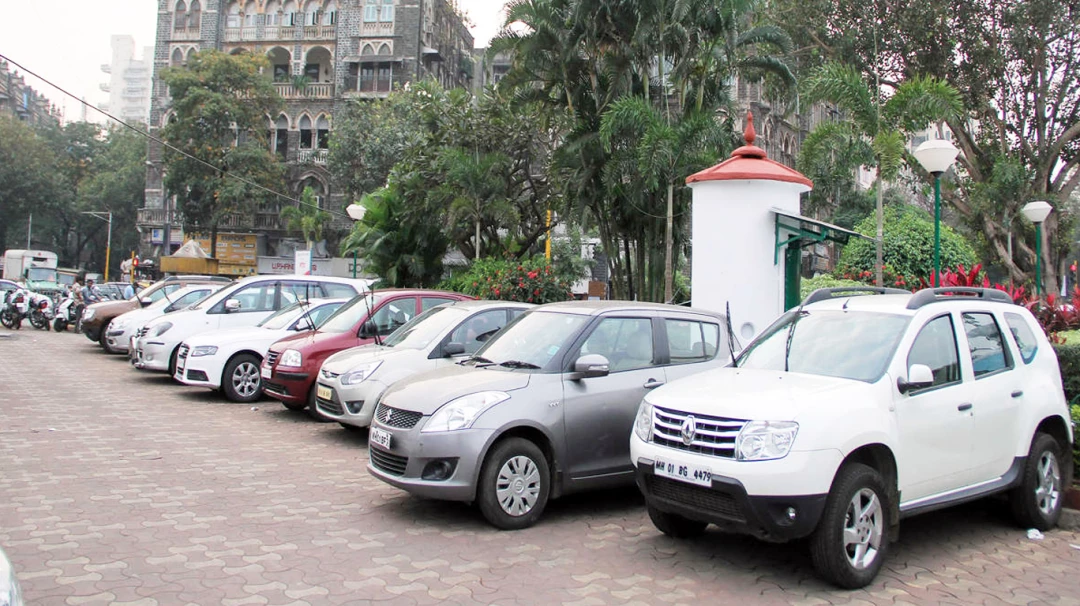
Residents of Malabar Hill have raised strong objections to a sudden crackdown on parking around the iconic Hanging Gardens stretch, claiming the absence of clear communication, signage and public consultation. Over the past two days, traffic authorities have penalised dozens of parked vehicles along the road between Kamla Nehru Park and Hanging Gardens, issuing digital receipts citing “obstruction to pedestrians.”
However, local citizens argue that the wide 300-metre road has, for decades, accommodated roadside parking without posing any threat to pedestrian safety or traffic movement. A letter submitted to the Mumbai Traffic Police by a resident welfare group—signed by over 50 individuals—calls for an immediate review of enforcement practices in the area. The residents are demanding a formal parking policy that includes designated hours for park-goers and senior citizens, especially in a locality where access to green spaces is an essential aspect of urban well-being.
Citizens have expressed particular concern over the alleged reason behind the fines—VIP movement. In past instances, residents say they were verbally requested to clear the area for security arrangements. This time, however, traffic personnel reportedly levied fines without warning or alternate parking guidance. Officials pointed out that the stretch is technically a “No Parking” zone since it falls under a proposed Pay and Park scheme, which is currently in the tendering stage with the Brihanmumbai Municipal Corporation (BMC). Until the plan is operationalised, enforcement remains ambiguous—what one senior traffic official described as a “grey area.”
Residents argue that the sudden and blanket application of fines, in the absence of visible No Parking signs, lacks procedural fairness. Many of the penalised vehicles belong to daily walkers and elderly citizens who regularly frequent the parks. Requiring them to park as far away as Nepean Sea Road, according to residents, is both impractical and inconsiderate. At the heart of the issue lies a lack of transparency in civic decision-making around parking and pedestrian infrastructure. Mumbai, as one of the most congested cities in the country, urgently needs integrated policies that balance mobility, accessibility, and sustainability. Ad hoc enforcement, especially when justified on vague security grounds, risks eroding public trust.
While city officials have indicated a willingness to engage with residents, a formal resolution remains pending. The demand from the community is not to flout rules but to participate in shaping them—seeking a parking system that is well-marked, well-communicated, and aligned with the inclusive design principles of equitable cities. As Mumbai continues to push toward smart urban development, this incident underscores the need for policy frameworks that place citizen experience and environmental balance at their core—especially in high-density heritage precincts like Malabar Hill.
Also Read : Mangalurus Crumbling NH-66 Set For Major Overhaul To Ensure Safer Commutes
