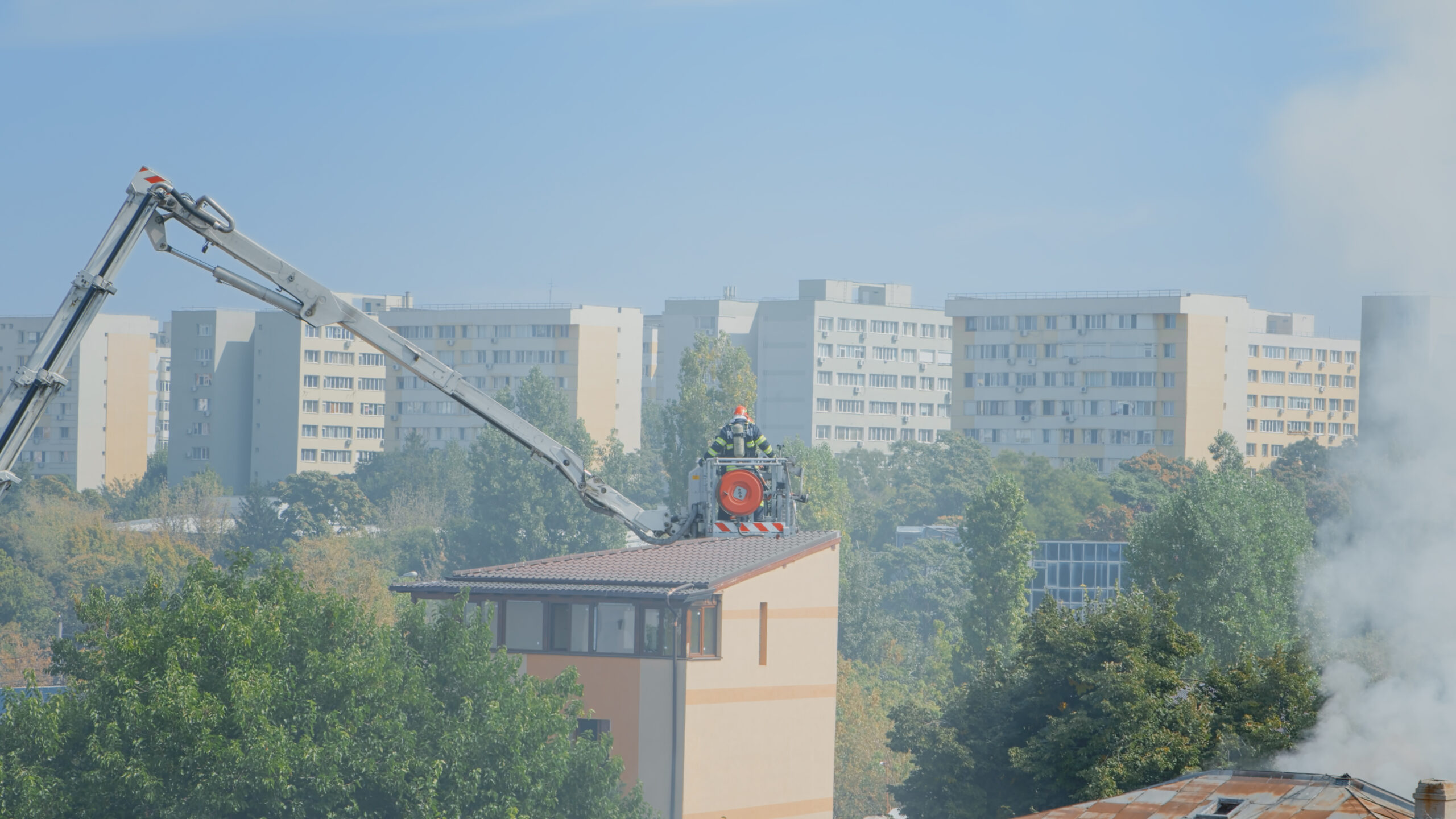
Pimpri Chinchwad Municipal Corporation (PCMC) has initiated the development of three new fire stations at Pimple Nilakh, Charholi, and Bhosari MIDC. This expansion comes as part of a larger strategy to adapt to the city’s rapidly changing urban fabric and escalating population density, especially across industrial and newly urbanised zones.
With Pimpri Chinchwad transforming into a major urban growth node within the Pune Metropolitan Region, civic officials have identified a widening gap between emergency preparedness and the city’s spatial expansion. Presently, PCMC operates 10 fire stations, but increasing demand for faster response times has underscored the necessity for additional facilities. The three new stations will be strategically located to bridge current service gaps and ensure timely emergency response.
Also Watch: An Exclusive Interview with Sanjeev Jaiswal (IAS), CEO MHADA
Land acquisition processes are already underway in Pimple Nilakh and Charholi, involving coordination with the Defence Department and Urban Planning authorities. Simultaneously, the tendering process for Bhosari MIDC’s station, located in a high-density industrial corridor, has commenced. PCMC officials confirm that this expansion is part of a larger emergency infrastructure overhaul that includes upcoming stations at Punawale, Dighi, and Nigdi Pradhikaran, along with a central fire services headquarters in Pimpri. Experts overseeing urban safety systems have stressed that with Pimpri Chinchwad’s residential footprint expanding vertically and horizontally, fire safety must evolve from reactive services to predictive, decentralised readiness. “Faster response time is not merely operational, it’s a life-saving metric,” said a senior disaster management officer. “Positioning fire stations closer to vulnerable zones like industrial belts and high-rise clusters ensures both human lives and critical infrastructure are protected.”
The Bhosari MIDC zone alone, which houses hundreds of manufacturing units, has long demanded faster emergency services given its high-risk profile. Similarly, Charholi and Pimple Nilakh, both part of major township and housing development schemes, have witnessed exponential residential growth, but lacked proportional fire response infrastructure. PCMC’s broader strategy also reflects an alignment with sustainable urban planning principles. By embedding decentralised emergency infrastructure, the city aims to lower the ecological footprint of emergency fleets, enhance resilience in disaster-prone zones, and promote inclusive urban safety frameworks. Civic officials note that these efforts tie in with long-term resilience goals under the National Urban Digital Mission and Smart Cities framework.
As Pimpri Chinchwad continues to urbanise at breakneck speed, investments in life-saving infrastructure like fire stations are more than policy checkboxes, they’re urban imperatives. The success of these expansions will lie not only in concrete structures but in how equitably and efficiently emergency services reach every corner of this fast-growing city.
Pune Pimpri-Chinchwad To Get Three Fire Stations Amid Fast Urbanisation Drive