


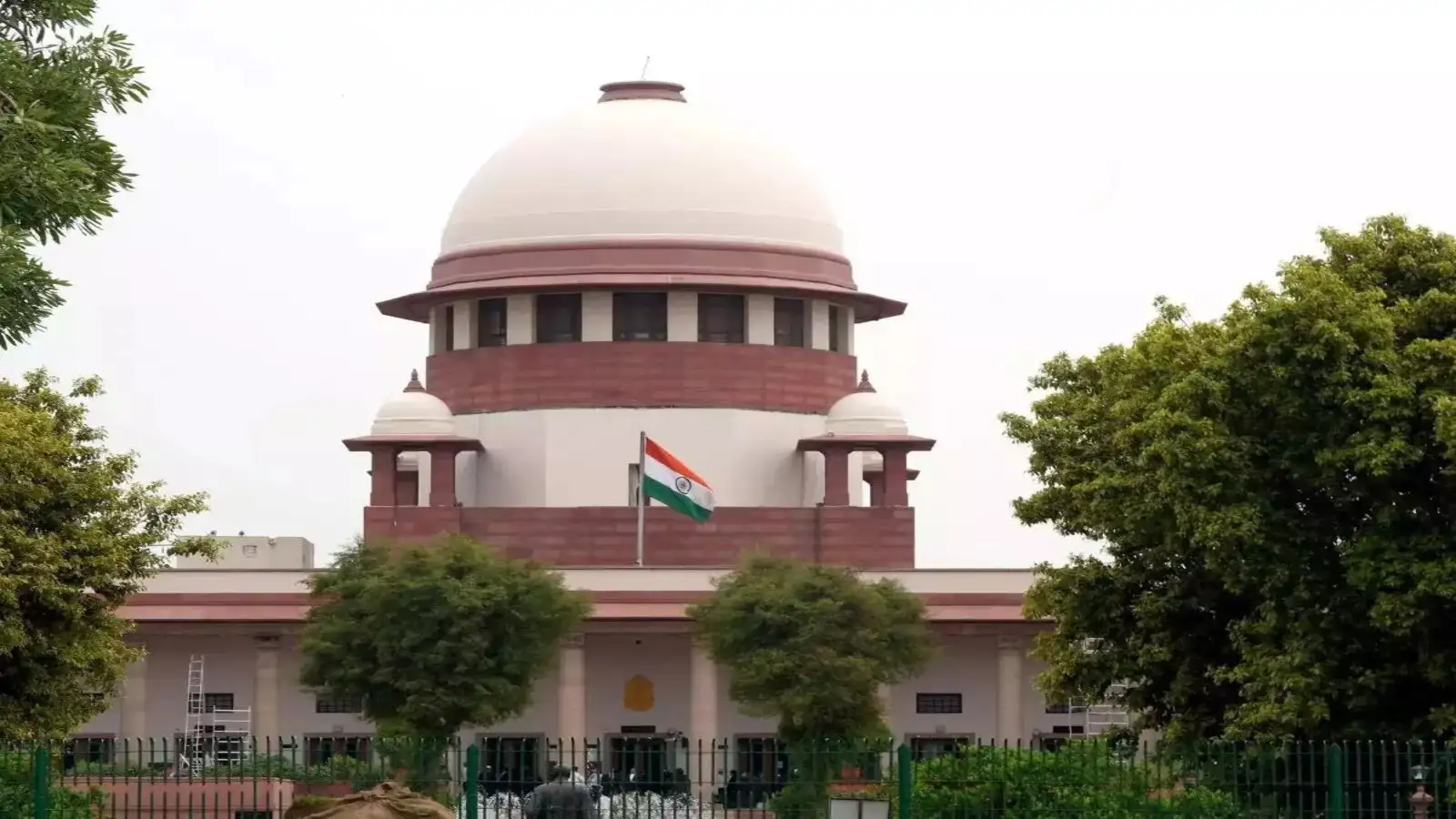
Supreme Court has ruled that built-up projects ranging between 20,000 and 1,50,000 square metres can proceed with clearances from state-level environment authorities, eliminating the requirement for central environmental approvals. The apex court’s decision has unblocked thousands of stalled developments, including residential, educational, and industrial facilities, that were held up since February 2024 following an interim stay.
The verdict came from a bench led by the Chief Justice and is expected to streamline the regulatory process by empowering State Environment Impact Assessment Authorities (SEIAA) to issue approvals for mid-sized building and infrastructure projects. The court noted that the Centre lacks the logistical capacity to conduct site-specific environmental scrutiny across all states, which would result in severe project delays and backlog. Earlier this year, a stay had been imposed on a Ministry of Environment, Forest and Climate Change (MoEFCC) notification dated January 29, 2025. The notification proposed changes to environmental clearance norms for construction, sparking concerns raised by environmental activists over potential regulatory dilution. The interim stay affected numerous developments nationwide, with states like Maharashtra reporting over 700 pending applications.
By upholding the Centre’s notification—while reading down blanket exemptions for categories such as industrial sheds and institutional buildings—the court made it clear that these structures must still secure environmental clearances, albeit at the state level. The ruling effectively clarifies jurisdictional boundaries between state and central authorities, including for projects near eco-sensitive zones, inter-state borders, and critically polluted areas. Senior advocates representing prominent developers and industry bodies argued that the exemption regime for such construction categories had been in place since 2006 and that the January 2025 notification merely restated established norms. The court concurred with the argument that development and environmental preservation must proceed hand-in-hand.
The judgment has been welcomed by both public and private sector stakeholders, particularly in the real estate, education, and industrial infrastructure segments. It is seen as a step towards decentralised governance in environmental decision-making and a mechanism to reduce bureaucratic bottlenecks that hamper timely development. With this ruling, states now have more autonomy and responsibility in balancing ecological safeguards with urban growth. The move is expected to provide a stimulus to stalled housing and institutional infrastructure projects across metropolitan and tier-2 cities, where approvals had been delayed due to regulatory ambiguity.
While the Supreme Court reaffirmed the criticality of ecological safeguards, it also underlined that halting all development is not a sustainable strategy. The emphasis now shifts to ensuring that SEIAAs operate with efficiency, transparency, and a strong commitment to sustainable practices.
Also Read : Mumbai Railway Board Plans Expansion Of 15 Coach Local Trains
