


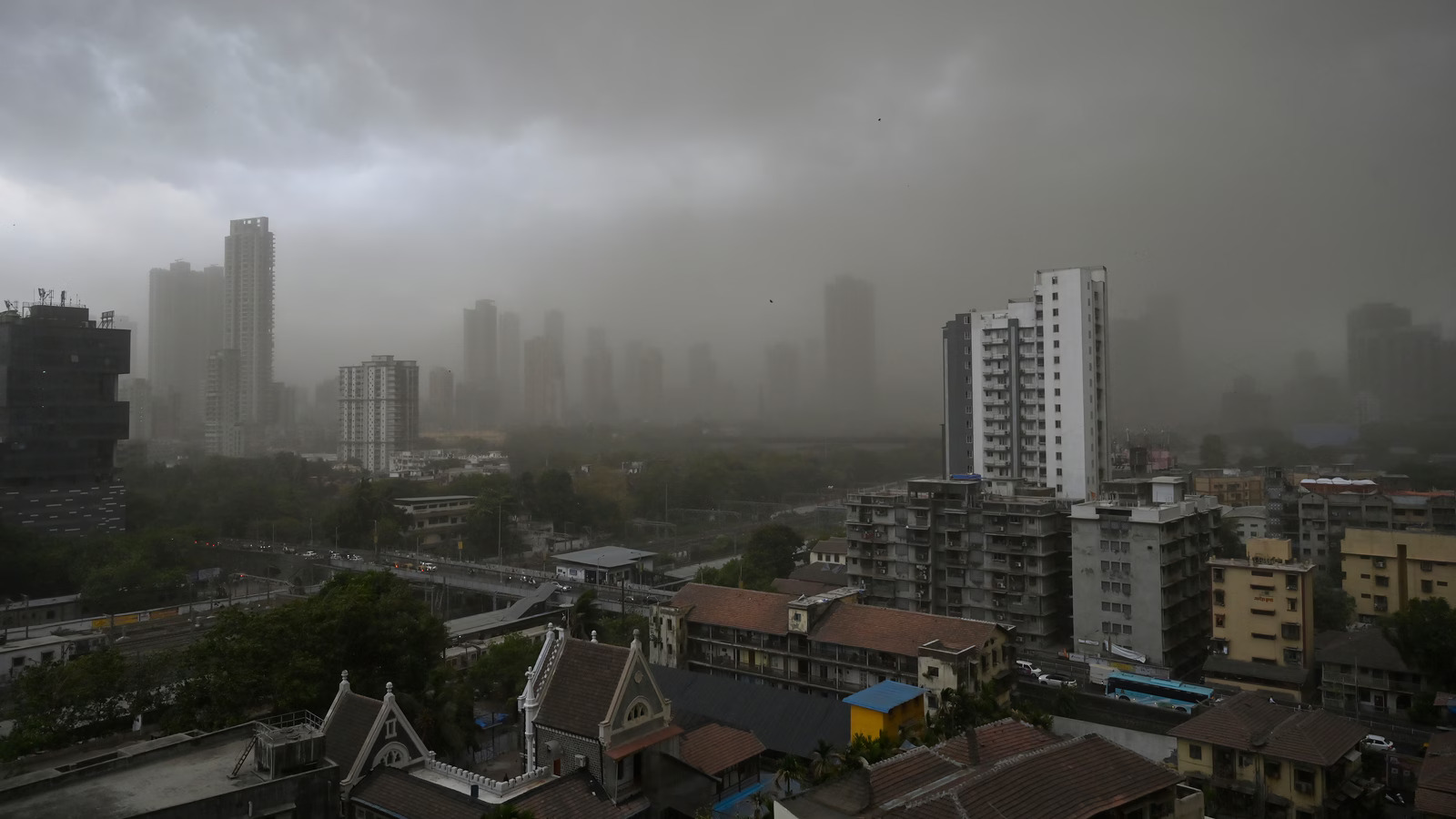
Mumbai, once renowned for its rhythmic and relentless monsoon downpours, now finds itself navigating an increasingly erratic and unpredictable rainy season. Following an uncharacteristically wet May and a staggered onset of monsoon rains, the city has entered August with subdued showers and rising uncertainty about seasonal fulfilment.
According to officials from the India Meteorological Department (IMD), the early arrival of the southwest monsoon on May 26, the earliest on record since the 1950s, was triggered by an unusually strong low-pressure system over the Bay of Bengal. This anomaly caused a swift movement of moisture-laden winds from Kerala to Maharashtra, delivering 135.4 mm of rainfall at Colaba and 33.5 mm at Santacruz in a matter of days—far ahead of the usual June onset. However, this strong beginning quickly gave way to a lull, as the atmospheric pull weakened. June resumed a typical pattern with rainfall exceeding 500 mm in both major weather stations, providing a false sense of seasonal normalcy. But the city’s expectations for a waterlogged July—usually its wettest month—were not met. Rainfall figures were down to nearly half the monthly average, registering 381 mm in Colaba and 797.3 mm in Santacruz, making it the driest July in the past decade.
Now, five days into August, the city has again entered a dry phase. Weather experts point to heavy monsoon activity in northern India as a reason for the current stagnation over the Konkan coast. While cloud cover and isolated thunderstorm activity are predicted after August 7, officials admit that substantial rainfall may only be seen over the Western Ghats and interior Maharashtra between August 12 and 18. The IMD also remains cautious about the September outlook, which must compensate for current shortfalls to meet the ‘above normal’ seasonal forecast. Currently, the Indian Ocean Dipole—a key oceanic driver of monsoon dynamics—remains unfavourable, limiting prospects for intensified rainfall in the closing weeks of the season.
Despite the patchy showers, Mumbai’s water stock remains secure for now. Lakes supplying drinking water to the city are reportedly at 90% capacity, with some already overflowing. Yet civic planners warn that storage levels must remain stable through October to avoid shortages during the dry months ahead. Experts note that Mumbai’s geographical location—surrounded by the Arabian Sea on three sides—adds to the volatility of its rainfall. The city’s monsoon is driven not just by broad climate systems but also by localised variabilities that often defy forecast models.
Environmental observers suggest that the unpredictability in rainfall patterns is a reminder of the growing climate anomalies faced by coastal cities. A more resilient infrastructure, better predictive modelling, and preparedness for extremes—both floods and dry spells—must be central to Mumbai’s climate response strategy. As the city waits for the skies to open again, it does so with cautious optimism, but also a pressing need to adapt to the growing uncertainties of its monsoon narrative.
Also Read : Bengaluru Gains Six New Layouts Along PRR‑2 Boosting Urban Equity
