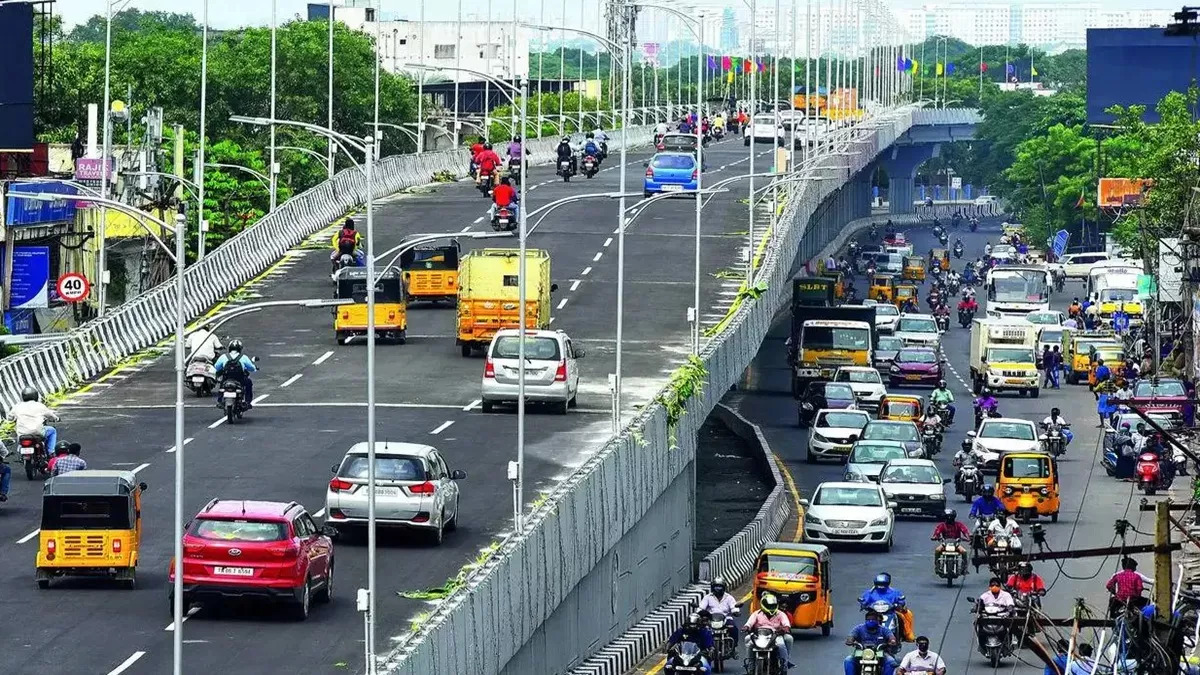
Delhi plans three parking lots under Delhi–Saharanpur Highway flyover to ease roadside parking
New Delhi is pioneering a strategic urban development model by converting previously underutilised spaces beneath a major highway into organized, multi-functional public parking lots. The National Highways Authority of India (NHAI) has initiated a plan to develop three parking facilities under the elevated section of the Delhi-Saharanpur Highway in East Delhi. This move is a direct response to the chaotic and unauthorized roadside parking, which has long plagued the area, particularly around the bustling Gandhi Nagar garments market. By repurposing this significant urban footprint, authorities are not only aiming to restore order to traffic flow but also to create a more sustainable and accessible urban environment for the public. This initiative showcases a forward-thinking approach to infrastructure management, where a single project can address multiple civic challenges simultaneously.
The problem of haphazard parking in areas like Gandhi Nagar has a far-reaching impact on urban life. As the country’s largest readymade garments market, the area sees immense footfall and a chaotic mix of vehicles, which frequently disrupt traffic and pose safety risks. The new parking facilities are designed to address this by providing a dedicated, two-hectare space for vehicles, thereby freeing up crucial service lanes and roadsides. This systematic approach to parking is a vital step toward creating a zero-net-carbon city by mitigating traffic congestion. By reducing the time vehicles spend idling in traffic, the project will lead to lower fuel consumption and a significant reduction in vehicular emissions, contributing to cleaner air for residents.
The initiative also represents a paradigm shift in the efficient use of public infrastructure. The tender, which has been floated to private contractors, includes a forward-looking mandate: 10% of the total parking capacity will be reserved for electric vehicles (EVs). This commitment extends to the development of dedicated EV charging stations, which will be integrated into the new facilities. This decision aligns with the city’s broader agenda of promoting eco-friendly mobility and accelerating the transition to a sustainable transport system. By strategically placing these charging points in a high-demand commercial area, the authorities are directly encouraging the adoption of EVs and supporting the necessary infrastructure for a greener future.
Beyond addressing traffic and environmental concerns, the project serves a critical social purpose. The creation of formalized, well-maintained parking facilities under flyovers will help protect these spaces from encroachment and illegal use, ensuring they remain valuable public assets. For a city striving for a more equitable and gender-neutral landscape, well-lit and secure parking areas are essential amenities that enhance public safety for all citizens. Ultimately, this move from the NHAI represents a model for modern urban governance: a collaborative, data-driven, and innovative solution that reclaims neglected public spaces to serve the holistic needs of a growing metropolis.