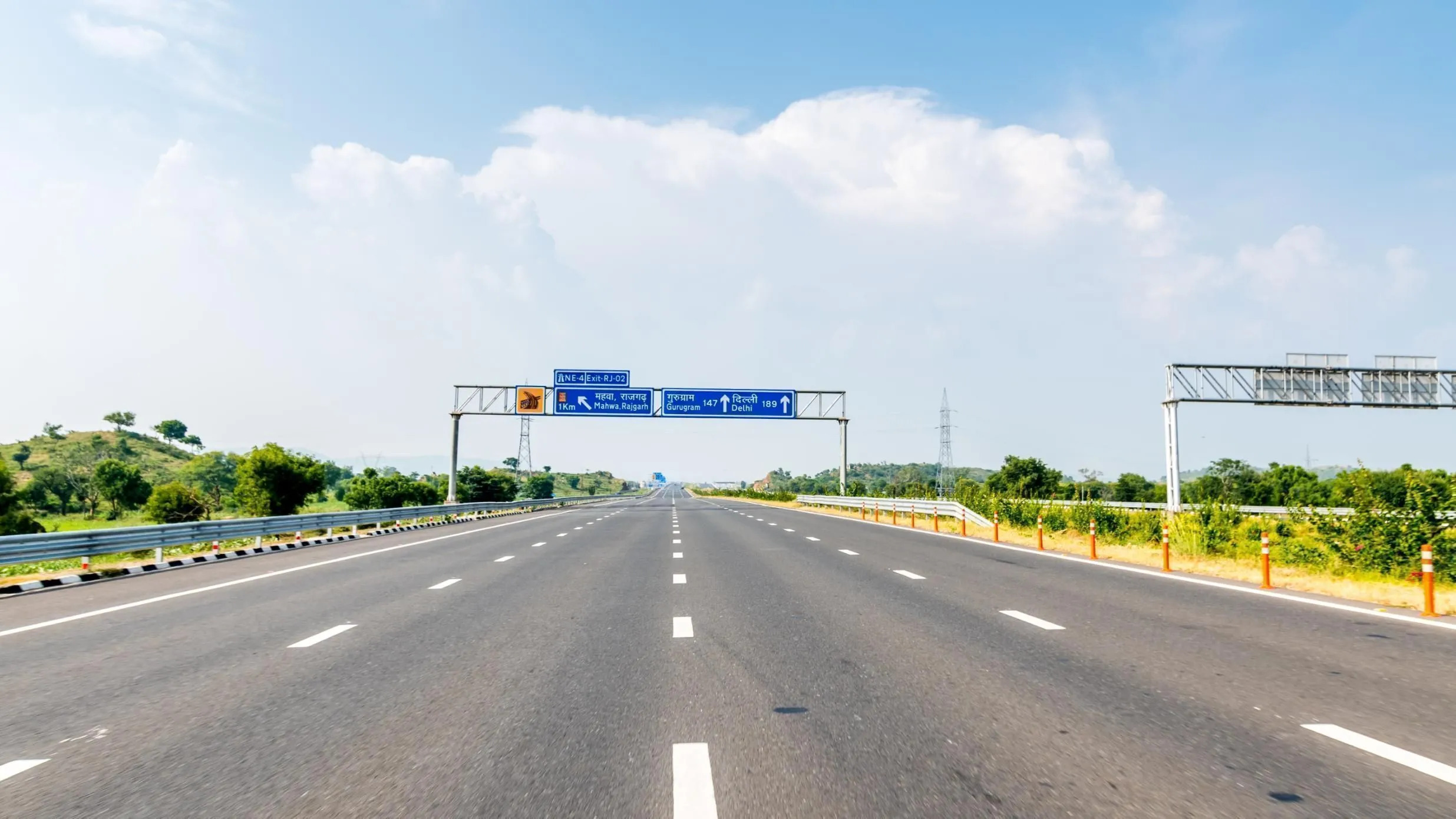
Guwahati to construct 12 km elevated corridor from VIP Chowk to Jalukbari by 2026
Guwahati is embarking on a new phase of urban development with the announcement of a massive infrastructure push aimed at tackling chronic traffic congestion and enhancing safety. The National Highways Authority of India (NHAI) is spearheading a two-pronged project: a 12-kilometre elevated corridor from VIP Chowk to Jalukbari, and four new foot overbridges along the Khanapara–Jalukbari stretch of NH 27. This dual approach signals a strategic shift towards integrated urban planning that not only prioritises the flow of vehicular traffic but also addresses the critical, often overlooked, needs of pedestrians and cyclists. The projects, set to begin in 2026, are a crucial step towards creating a more sustainable, equitable, and livable city that can support a growing population while reducing its carbon footprint.
The proposed six-lane elevated corridor, with an estimated cost of over ₹3,000 crore, is a direct response to the increasing gridlock on the crucial route connecting the airport to the city. By separating high-speed through-traffic from local traffic, the project is expected to drastically cut down travel times and, importantly, reduce the amount of time vehicles spend idling in queues. This will lead to a significant decrease in fuel consumption and vehicular emissions, making a tangible contribution to the city’s zero-net-carbon aspirations. While the promise of a smoother commute is a welcome relief for thousands of daily travellers, the project’s success will be measured by its ability to integrate with the urban fabric without causing undue disruption to surrounding residential and commercial areas.
In a complementary move that showcases a more holistic urban development strategy, the NHAI has also approved the construction of four foot overbridges at key high-traffic locations on the recently widened NH 27. The expressway upgrade, while easing vehicle movement, has inadvertently made road crossings more perilous for pedestrians. The new overbridges, with a budget of ₹30 to ₹35 crore, are designed to rectify this imbalance. They will be built with universal design standards in mind, potentially incorporating elevators and ramps to ensure accessibility for all commuters, including the elderly, people with disabilities, and parents with prams. This focus on inclusive design is a vital step toward a truly equitable city, where mobility is not a privilege but a right for every citizen, regardless of their mode of transport or physical ability.
The combined projects reflect a mature and forward-looking approach to infrastructure development. The elevated corridor addresses the macroscopic challenge of urban congestion and economic connectivity, while the foot overbridges tackle the microscopic, human-centric need for safe and accessible movement. As officials fast-track the detailed project reports, the successful execution of these initiatives, with proper environmental and social impact assessments, will be instrumental in transforming Guwahati into a key logistics hub for Northeast India. These projects are not just a matter of concrete and steel; they represent a fundamental commitment to building a city that is safer, more efficient, and more responsive to the diverse needs of its people and the environment.