Mumbai Redevelopment Sets New Standards for Sustainable Urban Renewal
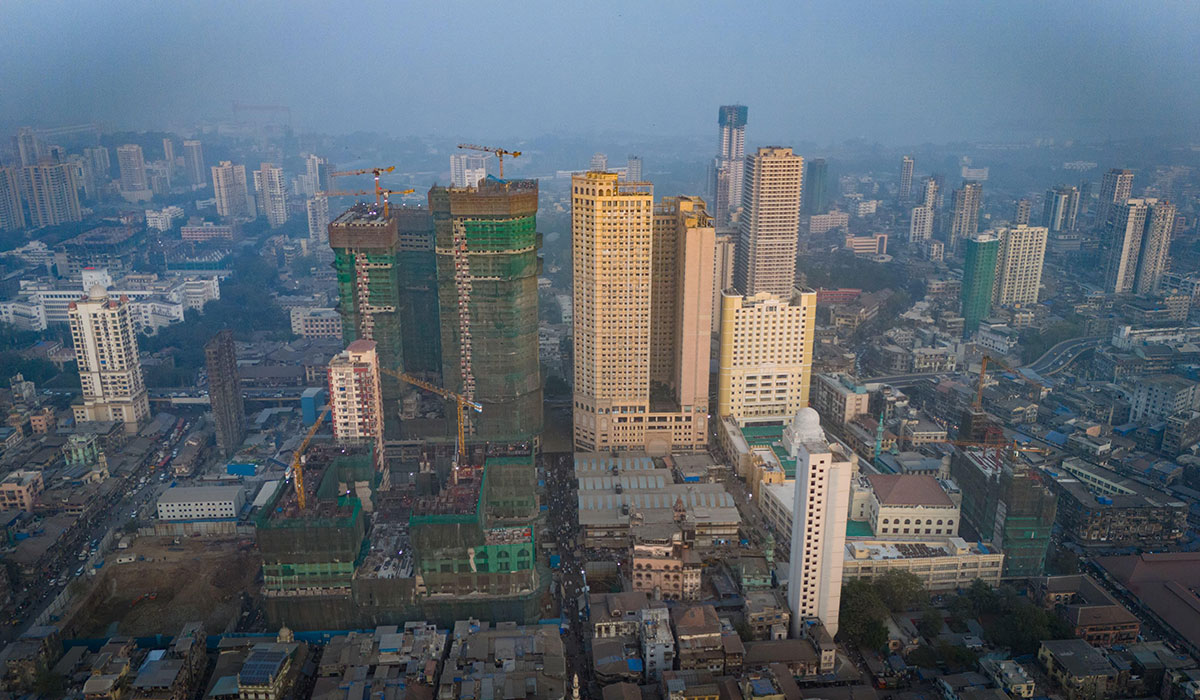
The heart of Mumbai’s Bhendi Bazaar is undergoing a remarkable transformation, a large-scale urban renewal project that is reimagining what it means to build sustainable, equitable, and resilient cities. A leading non-profit trust’s initiative, this project is set to rehouse thousands of families and businesses, replacing dilapidated buildings with modern, eco-friendly high-rises. Beyond aesthetics, the development is built on a foundation of cutting-edge urban planning and a deep commitment to preserving the community’s cultural and social fabric, offering a compelling blueprint for other Indian cities to follow.
One of the project’s most significant components is the construction of six multi-storey towers. The Al Ezz twin towers, nearing completion, exemplify this vision. These 53-storey towers, occupying over an acre of land, will soon be home to more than 1,280 families and 260 shops, replacing 23 crumbling structures. This is a monumental shift for residents who once endured cramped living conditions, shared facilities, and a lack of basic amenities. Residents are now poised to move into ownership flats with private bathrooms, round-the-clock water supply, and access to modern conveniences like elevators and segregated garbage chutes on every floor. The contrast with their previous lives, often in homes as small as 150 square feet with shared toilets and no proper waste disposal, is stark and life-altering.
This transformative urban renewal project is revolutionary not only due to its sheer scale but also its core philosophy of modernising without erasing identity. The trust’s spokesperson emphasised that the blueprint integrates community spaces and preserves the local ethos. The development has restored and enlarged key community areas, including the local mosque, ensuring that the social life of the neighbourhood remains intact and flourishes in its new avatar. Moreover, the project’s design integrates commercial life seamlessly. The new towers include floors dedicated to commercial units, ensuring that beloved businesses, from antique shops to iconic eateries, are woven into the new landscape rather than displaced. A temporary commercial hub was even built to support shopkeepers during the transition, demonstrating a commitment to business continuity and economic stability.
Sustainability is at the forefront of the design. The project incorporates solar rooftop panels, rainwater harvesting systems, and a sewage treatment plant for responsible water management. This focus on eco-friendly infrastructure is further bolstered by the planting of over 700 native trees to improve air quality and restore green cover. The once-narrow, seven-metre lanes are being replaced by wide, 18-metre roads complete with pedestrian footpaths and streetlights, enhancing safety and accessibility. The creation of open spaces, children’s play areas, and landscaped gardens is fostering a sense of community, a luxury in the formerly congested quarters. This holistic approach, combining social, economic, and environmental sustainability, sets a new benchmark for urban redevelopment. As the project’s phases unfold, with two towers already occupied and others nearing completion, the initiative stands as a powerful model for creating future-proof cities that are both modern and deeply rooted in their heritage.