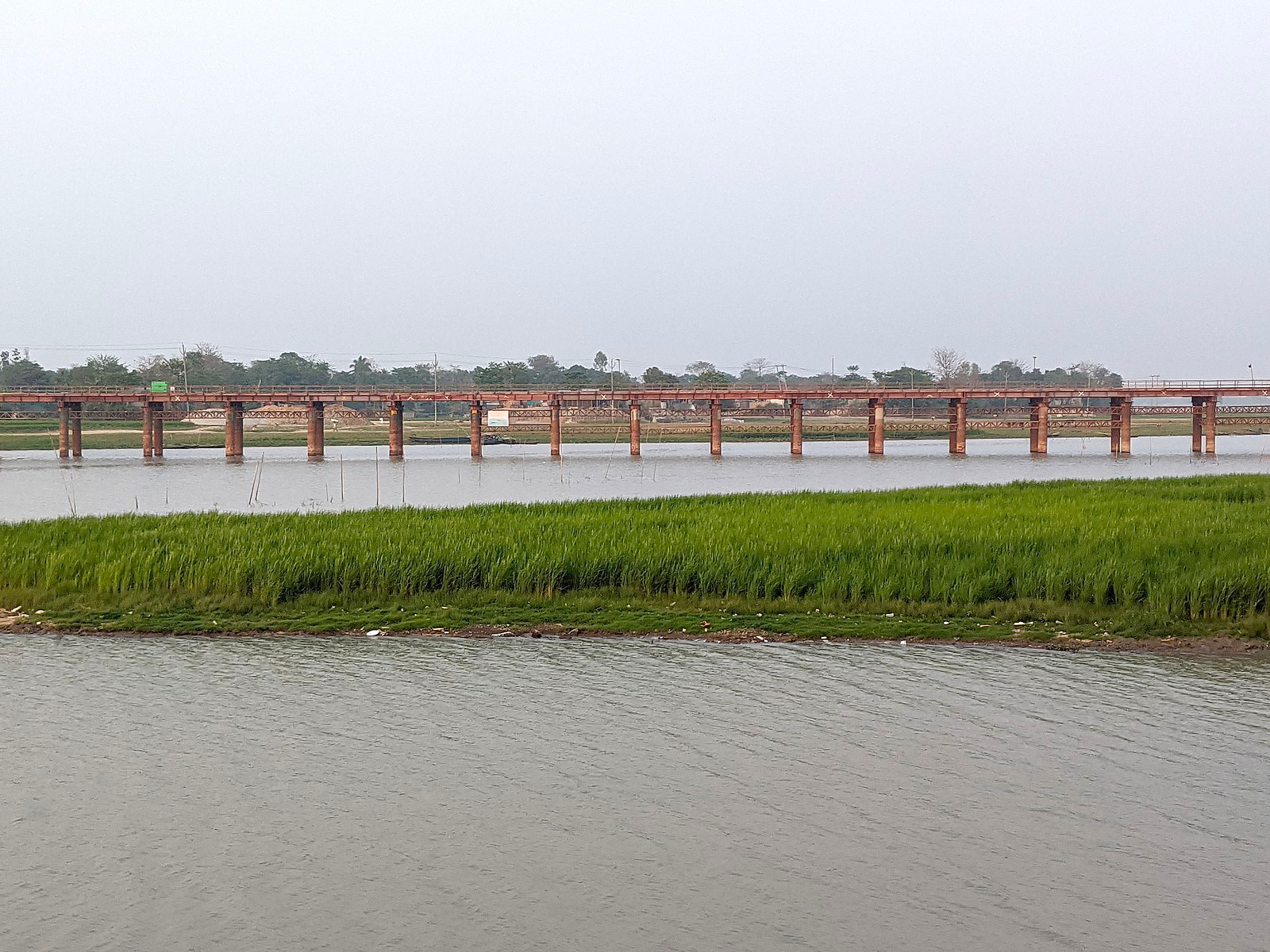
A monumental infrastructure project, India’s longest river bridge spanning the Brahmaputra between Dhubri in Assam and Phulbari in Meghalaya, is rapidly progressing towards completion, with over 60 per cent of the construction work already finished. This ₹4,997 crore endeavour is set to redefine regional connectivity, drastically cutting travel times and fostering economic integration across the Northeast. The strategic importance of this bridge extends beyond local benefits, serving as a critical artery for India’s “Act East Policy” and propelling the region towards a more sustainable and equitable future.
The 12.62-kilometre bridge, part of National Highway 127B, forms a crucial link within the broader 19.28-kilometre project that includes extensive approach roads. Entrusted to a leading infrastructure firm, the construction is on track for a September 2028 deadline, with close monitoring from the highest levels of government. Designed with expertise from a prominent Japanese agency, which is also providing significant loan assistance, the bridge is a testament to international collaboration in developing resilient and modern infrastructure for India’s diverse geographical landscape.
Currently, residents and goods transporters navigating between Dhubri and Phulbari face arduous journeys, relying on time-consuming boat and ferry services or enduring detours that add several hours to travel via Goalpara and Bongaigaon. Once operational, this transformative bridge is projected to slash travel time between these two points to a mere 35 to 40 minutes. This dramatic reduction in transit time will unlock immense socio-economic benefits, improving access to markets, healthcare, and education for communities on both sides of the river, fostering greater social mobility and economic opportunity.
Beyond its immediate impact on local travel, the bridge is strategically positioned to become a major transit link within the government’s expansive infrastructure push in the Northeast. Its connectivity to the upcoming four-lane highway from Phulbari to Shillong, for which feasibility studies are already underway, will further enhance regional integration. This network is poised to facilitate smoother trade routes, potentially linking to broader regional corridors such as the Kaladan Multimodal Transit network, thereby boosting economic ties with neighbouring countries and strengthening India’s position in Southeast Asia.
The development of such large-scale infrastructure projects, while complex, is being executed with an eye towards environmental sustainability and long-term resilience. Modern engineering practices, often supported by international expertise, incorporate designs that minimise ecological disruption and ensure structural integrity in challenging riverine environments. By providing efficient and direct transportation, the bridge contributes to reducing the carbon footprint associated with longer, less efficient routes, aligning with the vision of creating eco-friendly cities and promoting sustainable development in a region rich in natural beauty and cultural diversity.