


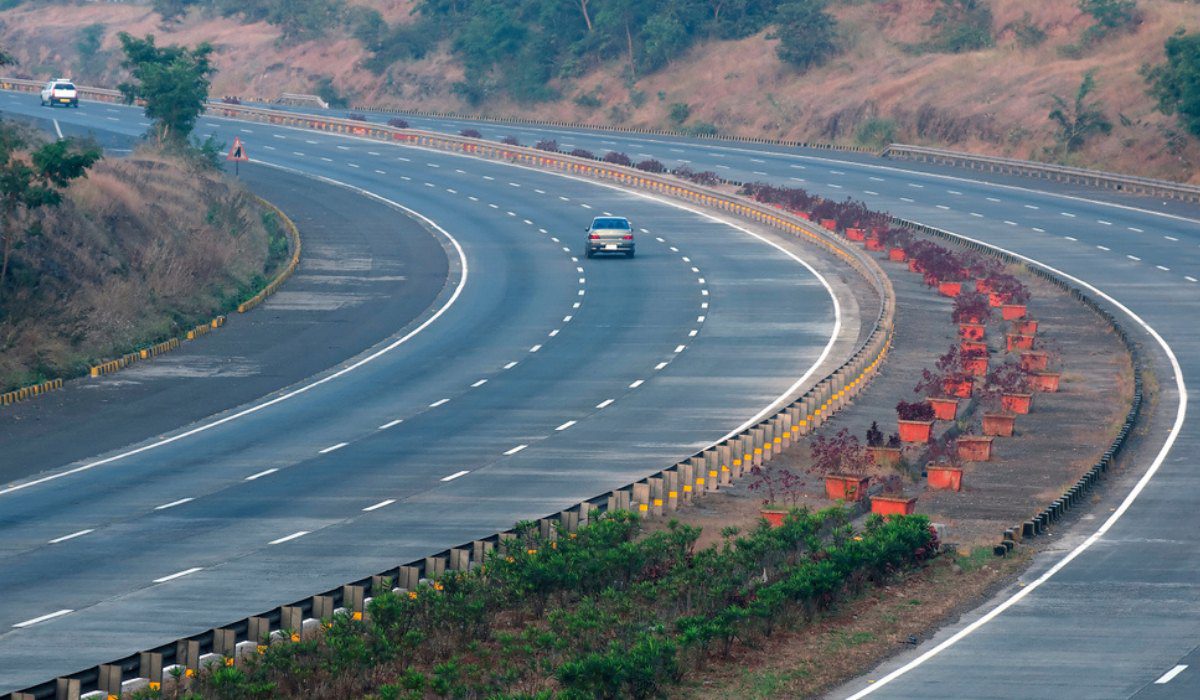
India’s road infrastructure is undergoing a significant transformation, with the recently operational Samruddhi Corridor poised to redefine travel patterns and revenue streams across Maharashtra. This modern expressway, a testament to advanced engineering, is attracting a substantial volume of traffic, potentially diverting toll income from older state highways. Concurrently, a new annual Fastag pass, set to launch on August 15, offers private motorists a highly economical travel option on national highways, further influencing the dynamics of road usage and fiscal collections. These developments underscore a strategic push towards a more efficient and globally competitive logistics network, integral to the nation’s broader economic aspirations.
The new Fastag pass, priced at ₹3,000 annually for 200 trips, translates to an average cost of approximately ₹15 per trip, a figure significantly lower than current toll charges on many national highways. While this initiative is expected to boost one-time revenue collections and encourage more frequent long-distance travel, it also anticipates a reduction in ongoing toll income for national highways managed by the National Highways Authority of India (NHAI). Crucially, this scheme does not extend to major state highways like the Mumbai-Pune Expressway or the Samruddhi Mahamarg, which operate under state agencies. This distinction highlights a nuanced approach to revenue management within India’s diverse road network, ensuring that high-value state-managed corridors retain their independent fiscal models.
The Samruddhi Corridor, with its superior speed and efficiency, is already demonstrating its capacity to divert traffic, and consequently, toll revenue, from older routes such as the Mumbai-Nashik highway. This shift, despite the Samruddhi Mahamarg’s slightly higher toll charges, underscores the premium placed on faster transit times and enhanced logistical efficiency by commuters and businesses alike. The improved connectivity offered by such modern expressways is particularly impactful for regions like Vidarbha, opening up access to tourist attractions and industrial zones, thereby spurring increased economic activity and fostering more equitable regional development.
Beyond revenue implications, the ongoing reforms in the shipbuilding sector, as outlined by the Union Government, further complement India’s infrastructure push. Measures such as revamping the Shipbuilding Financial Assistance Policy, granting infrastructure status to large ships, and proposing a ₹25,000 crore Maritime Development Fund are designed to enhance India’s global competitiveness in maritime trade. These initiatives, coupled with extended customs duty exemptions and preferences for domestic procurement, aim to reduce operational costs and foster self-reliance. The establishment of integrated shipbuilding clusters and the focus on skill development, including internships at major shipyards, are critical for building a future-ready, gender-neutral workforce.
Ultimately, these interconnected infrastructure developments reflect a holistic vision for India’s economic resurgence. By creating world-class road networks and strengthening the maritime ecosystem, the nation is not merely building physical assets but is laying the groundwork for a resilient, zero-net-carbon future. The emphasis on efficiency, accessibility, and strategic investment is designed to generate widespread employment opportunities, stimulate commerce, and enhance India’s strategic and commercial standing on the global stage, ensuring that progress benefits all sections of society.
Also Read :Hyderabad Pothole Protest With Yoga Moves GHMC To Act Fast
