


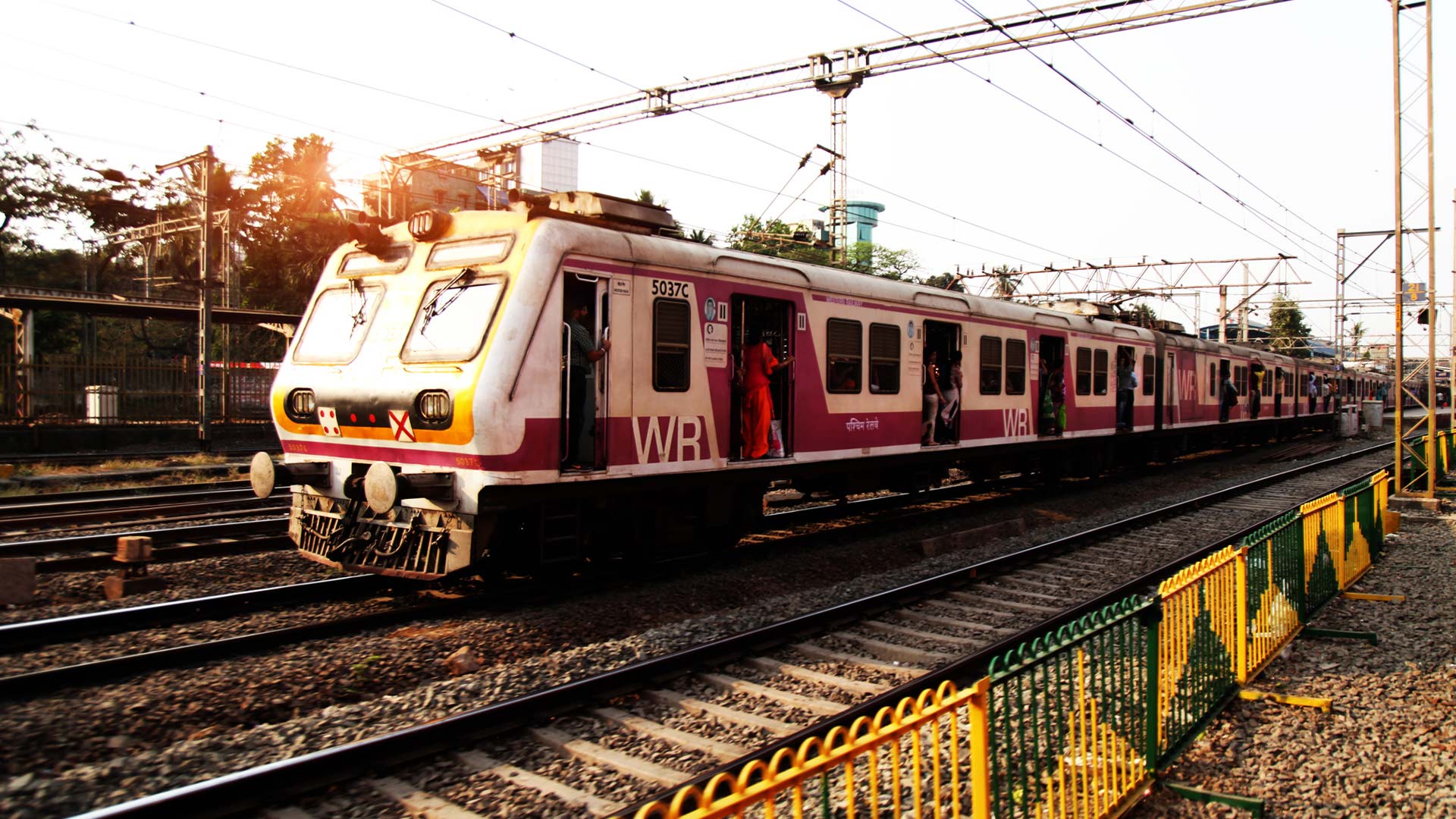
Western Railway has announced the phased rollout of the indigenous Kavach anti-collision system across its Mumbai suburban network by the end of 2026. Developed under the Make in India initiative, the system is poised to replace the ageing Auxiliary Warning System (AWS) currently in use.
The Kavach system, short for “automatic train protection”, leverages real-time data, smart sensors, and signalling coordination to autonomously regulate train movement, thereby preventing human error-driven accidents. Officials confirmed that installation work has already commenced and will extend across all 110 Electric Multiple Units (EMUs) on the Churchgate-Virar-Dahanu route, which carries over 30 lakh passengers daily through more than 1,400 services. While AWS functions through audible alarms, signal aspect lights, and a vigilance button that must be manually acknowledged by the motorman, it has long been considered inadequate in preventing serious incidents such as SPAD (Signal Passed at Danger). According to officials, Kavach overcomes these limitations with automated speed regulation, immediate braking upon signal violation, and continuous monitoring of train position and movement relative to signals and other locomotives.
Crucially, the Kavach system is also interoperable with existing signalling infrastructure and integrates in-cab signalling to aid operations in low-visibility conditions. Its capability to prevent both rear-end and head-on collisions, especially in dense urban transit corridors, is expected to significantly strengthen operational reliability and public confidence in the suburban rail system. Authorities confirmed that implementation has already begun in trunk routes like Delhi-Mumbai, and Western Railway is now extending its adoption to Mumbai’s suburban lines. Additionally, more than 2,358 route kilometres are earmarked for Kavach installation across the Western zone, including the Mumbai-Ahmedabad route which is expected to go live by the end of this fiscal year.
Officials added that coordination among agencies, signal interoperability checks, and motorman training are being conducted in parallel to the hardware rollout. This multi-pronged upgrade effort aims to ensure that Mumbai’s legacy commuter backbone evolves into a modern, tech-integrated, and future-ready transport system. Experts have noted that the shift from AWS to Kavach aligns with India’s broader policy shift towards self-reliant infrastructure and high-safety urban mobility solutions. With rising ridership and intensifying demands on suburban networks, automation in safety mechanisms is increasingly seen as non-negotiable.
The project reinforces the importance of scalable safety solutions as Indian Railways advances its goal to eliminate fatal collisions and ensure zero-compromise commuting standards across all zones.
Also Read : Mumbai CEO Confirms Slum Nod Not Needed for Dharavi Plan
