


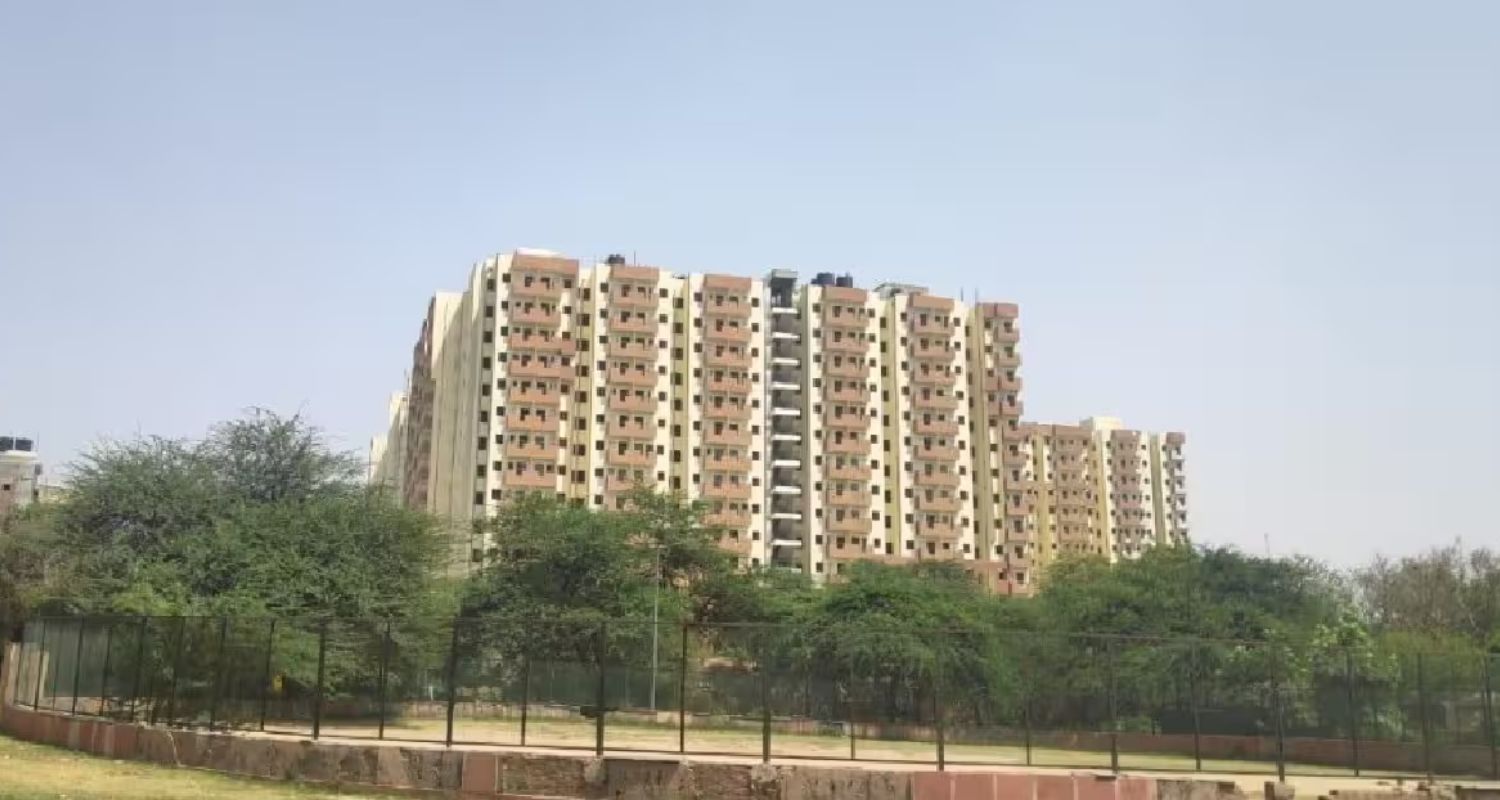
Delhi government has announced the renovation and allotment of 50,000 Economically Weaker Section (EWS) flats across the capital. The flats, many of which have stood unoccupied and in disrepair for years, are set to be refurbished and allotted to eligible slum dwellers in a phased manner.
The initiative aims to rectify years of infrastructural neglect and policy inaction. As per officials from the Delhi Urban Shelter Improvement Board (DUSIB) and the Urban Development Department, the project is being driven with a commitment to ensure no slum is demolished without prior rehabilitation. This renewed direction comes in response to the prolonged underutilisation of public housing stock, particularly in outer Delhi, where thousands of flats built in the past decade have remained locked and crumbling. A site inspection at the Sultanpuri EWS housing cluster revealed that over a thousand units, completed in 2016 at a cost of nearly Rs 64 crore, were lying vacant. Each flat measures 25 square metres and is equipped with basic amenities including a kitchen, bathroom, toilet, and balcony. Authorities confirmed that these flats are now undergoing renovation and will soon be ready for allotment.
The government has already secured Rs 732 crore from the Centre to fund this large-scale housing rehabilitation programme. Officials stated that the flats will be upgraded with essential services such as electricity, water, sewage, parks, and improved public access before residents are shifted in. The decision is being lauded by urban planners and housing rights advocates as a timely intervention, especially given Delhi’s acute shortage of affordable housing. The city currently faces a projected demand of over one million low-income homes, with growing informal settlements placing further stress on urban infrastructure.
According to experts associated with the project, station-level detailed project reports (DPRs) are being drawn up to enable modernisation of the flat clusters and their adjoining areas. These DPRs will also focus on making the sites accessible, gender-safe, and environmentally sustainable. Officials also indicated that the redevelopment includes procurement of new rolling stock where transport connectivity is required, and efforts are underway to synchronise this housing push with the broader masterplan for Delhi. By ensuring that rehabilitation precedes any eviction and that housing meets minimum liveability standards, the Delhi government’s move sets a precedent for other urban centres. It aligns with the national objective of inclusive, sustainable cities under the PM Awas Yojana and the Smart Cities Mission.
This renewed focus on restoring dignity and equity to urban housing is not only a policy correction but also a moral imperative in India’s capital. With groundwork underway, all eyes will be on the timeline and transparency of the execution in the months ahead.
Also Read : Pune tomato prices touch ₹100 as rains slash supply and quality
