


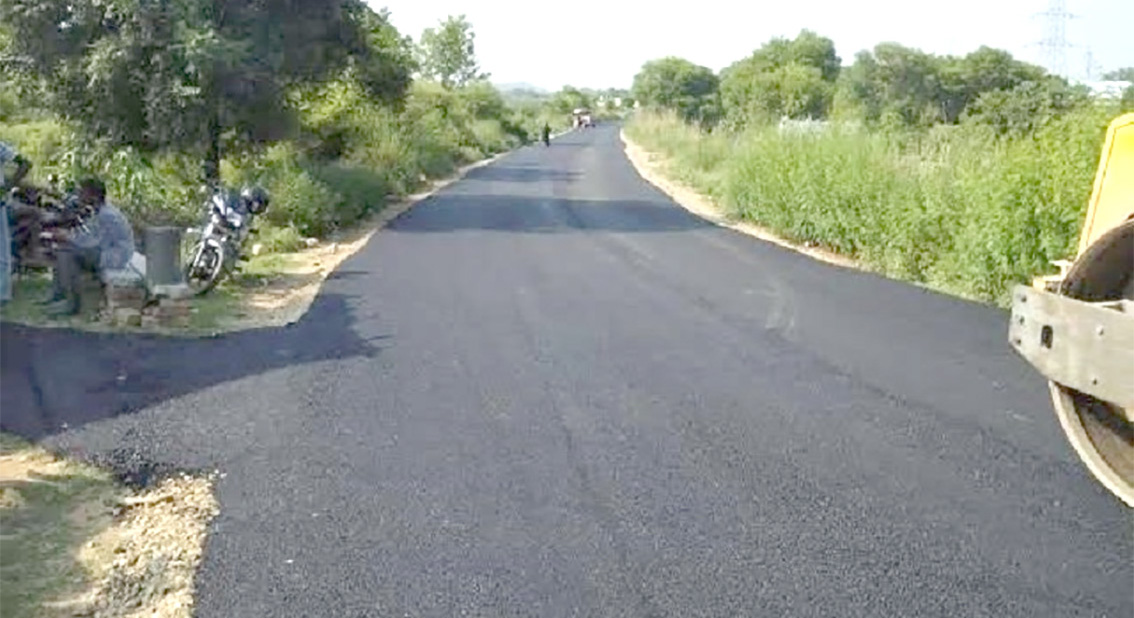
Srinagar has marked significant progress in enhancing rural connectivity with the completion of 169 roads spanning over 1,465 kilometres and 15 new bridges under the ambitious Pradhan Mantri Gram Sadak Yojana Phase III (PMGSY-III). This development aligns with national objectives to bolster access to education, healthcare, and markets while supporting sustainable and inclusive infrastructure growth. The ongoing rural infrastructure push in Jammu and Kashmir reflects a steadfast commitment to improving quality of life in the region’s remote areas.
According to official data submitted to the Rajya Sabha, Jammu and Kashmir was sanctioned a total of 223 roads and 66 bridges under PMGSY-III, with project costs estimated at Rs 1,752 crore. With Rs 1,580 crore already spent, including state contributions, the region is on course to complete the remaining projects by March 2026. This investment underscores the strategic importance of rural connectivity in fostering equitable development and facilitating economic opportunities in isolated areas.
At the national level, PMGSY-III, launched in 2019, aims to upgrade approximately 125,000 kilometres of rural roads across India. To date, nearly 12,000 roads covering close to 99,000 kilometres and over 1,300 bridges have been completed. These projects collectively advance goals of low-carbon, eco-friendly infrastructure that supports sustainable mobility while respecting the unique geographical and social contexts of rural India.
The completion of these roads and bridges in Jammu and Kashmir not only promises to enhance accessibility but also contributes to gender-neutral development by ensuring that women and other marginalized groups can reach essential services more easily. With a focus on reducing carbon footprints and promoting durable infrastructure, these efforts are shaping more resilient and sustainable rural communities.
As rural road networks expand, the enhanced connectivity is expected to facilitate better market linkages for farmers, reduce travel times to healthcare facilities, and improve attendance in schools. Such infrastructure upgrades form the backbone of India’s inclusive growth vision, striving for equitable opportunities while supporting environmental stewardship.
Also Read :Delhi‑Dehradun Expressway Set for October Launch
