New Delhi Pilots Barrier-Free Tolling System to Revolutionize National Highway Travel
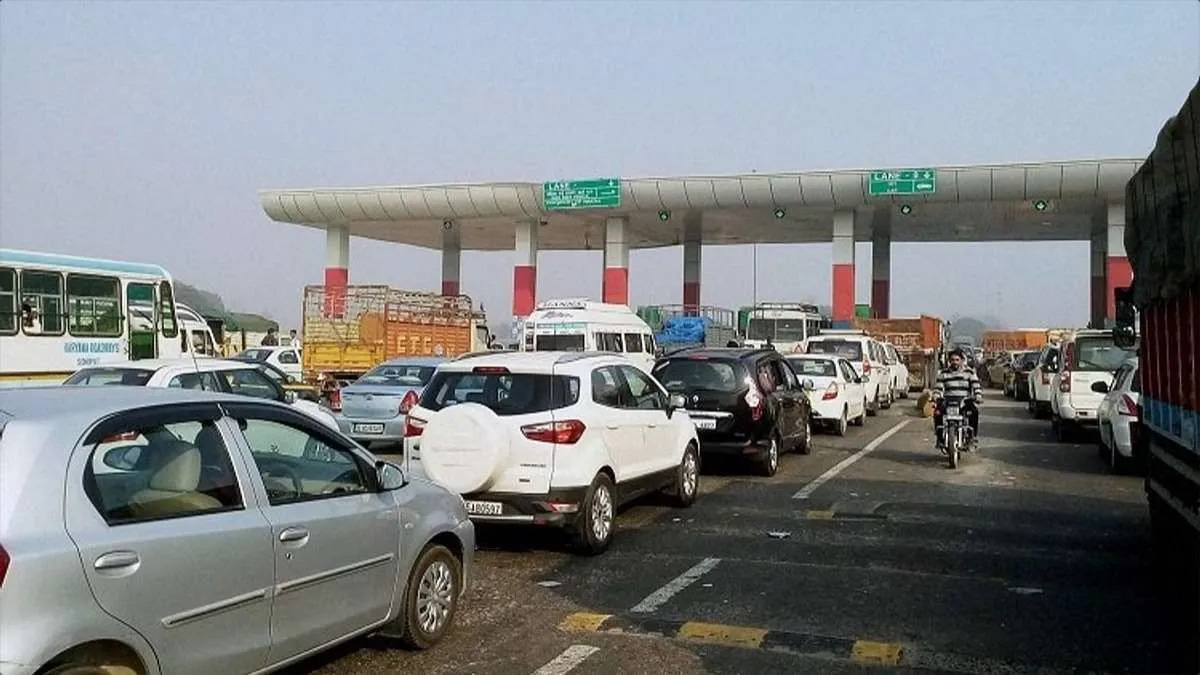
India is embarking on a significant pilot initiative to implement a barrier-free tolling system on eight national highway stretches, marking a pivotal step towards modernizing its transportation infrastructure. This move, championed by the Ministry of Road Transport and Highways, is designed to usher in a new era of multi-lane free flow (MLFF) technology, directly addressing the persistent issues of traffic congestion and vehicle idling at toll plazas. By combining Automatic Number Plate Recognition (ANPR) cameras with the existing FASTag system, the government aims to create a seamless, non-stop transit experience.
This technological leap is not just about convenience; it is a critical component of the national strategy to develop eco-friendly, sustainable, and smarter cities by reducing fuel consumption and harmful emissions. The new hybrid system, which will be implemented across key corridors like the Bharuch-Surat, Panipat-Jalandhar, and Delhi-Jaipur stretches, represents a departure from a previously considered satellite-based model. This choice highlights a pragmatic and measured approach to innovation, prioritising an effective, corridor-specific solution that builds upon the established FASTag infrastructure. The technology will identify vehicles by reading their number plates and, simultaneously, use RFID for toll deduction without the need for physical barriers. This will eliminate the bottlenecks that are a common source of frustration for commuters and a significant contributor to air pollution. By promoting a continuous flow of traffic, the system serves the dual purpose of enhancing commuter experience and advancing the nation’s environmental objectives.
The implementation of this MLFF technology is a strategic move towards a more equitable and efficient transportation ecosystem. By reducing travel time and operational costs for both passenger and goods transport, it will stimulate economic activity and streamline supply chains. Furthermore, the system’s reliance on digital enforcement mechanisms for non-compliance, such as e-notices and FASTag suspension, ensures a robust and fair framework. A dedicated grievance redressal mechanism, accessible through multiple platforms, will also be in place to address any user concerns, ensuring transparency and accountability. This focus on user-centric design is crucial for a smooth transition and widespread adoption.
The pilot project’s success will be the deciding factor for its wider rollout across the country. The selection of diverse highway stretches, based on factors like traffic density and geographic location, will provide comprehensive data to evaluate the system’s efficacy. If successful, this technology has the potential to become a cornerstone of India’s future mobility, contributing significantly to the vision of a network of smart, zero-net-carbon cities. By tackling traffic congestion and its associated environmental impacts head-on, this initiative stands to benefit millions of citizens and serve as a model for sustainable infrastructure development globally.