


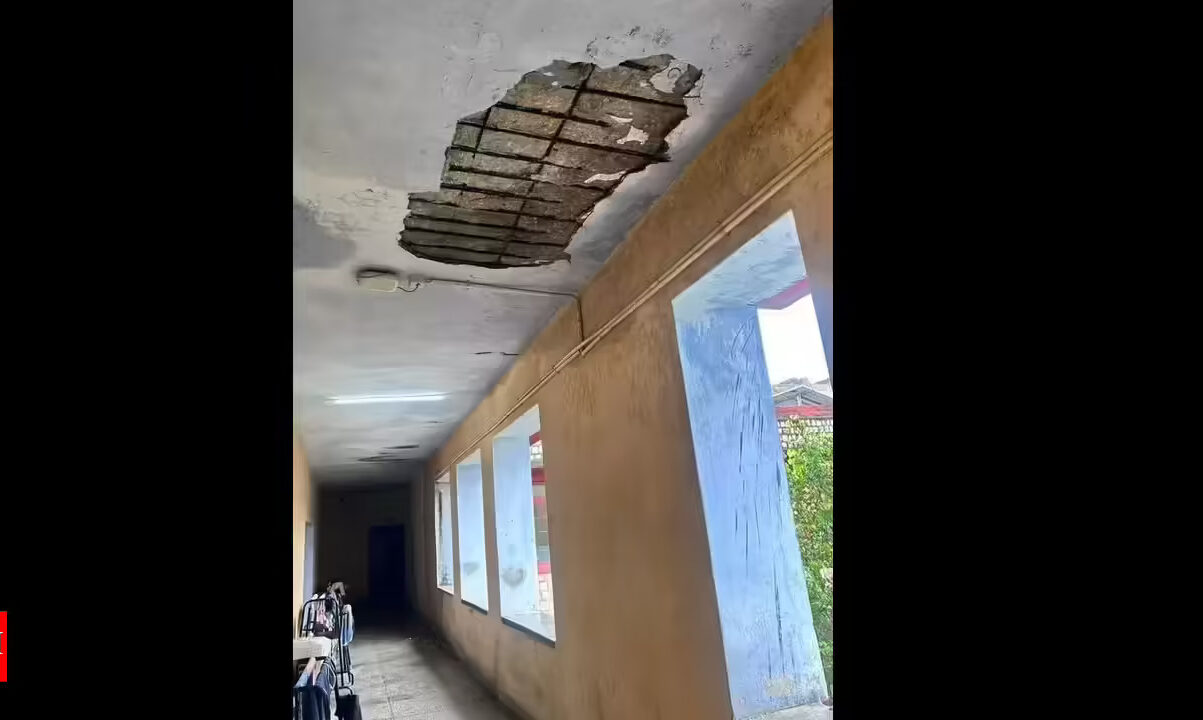
A roof plaster collapse at the University Maharani College’s Annie Besant hostel in Jaipur has thrown a spotlight on the deteriorating condition of Rajasthan’s higher education infrastructure. The incident, which occurred amid persistent heavy rainfall, caused panic but no casualties. However, it has reignited debate around the administration’s prolonged inaction, just a day before the institution’s 82nd foundation day celebrations.
The partial roof failure exposed deep cracks and raised structural safety questions across all Rajasthan University (RU) campuses. According to officials, the hostel, which houses over 200 girl students, was built in 1948 and has not undergone major structural reinforcement in decades. The administration has now sealed eight hostel rooms and ten classrooms on the main campus, citing potential hazards. Experts from the education department and university engineering teams have begun inspections across all RU-affiliated campuses. The state’s higher education authority confirmed that funds have been sanctioned for urgent repairs, with approximately ₹2 crore allocated for the Maharani College campus. However, the timeline for repairs remains uncertain due to the ongoing monsoon season.
Student unions and representatives have condemned the institution’s inaction and poor infrastructure management. They allege the crisis is a direct consequence of chronic neglect and delayed maintenance. Repeated complaints of water seepage during exams and damaged electrical systems were ignored, according to student accounts, adding to a growing list of safety violations. Calls for accountability have grown louder, especially in the wake of a recent school building collapse in Jhalawar that resulted in student fatalities. Several student leaders are now urging for regular structural audits and independent safety reviews of all academic infrastructure in the state.
RU officials stated that while repairs have been sanctioned—₹1.5 crore for Maharaja College, ₹15 lakh for its library, and ₹11 lakh for the statistics department—no work will begin until rains subside. This decision leaves students exposed to possible further risks, raising ethical concerns about prioritising fiscal protocol over immediate safety. The institution also faced criticism for attempting to limit press access during the incident, drawing public ire and further eroding trust in its crisis response. Despite repeated assurances, many students continue to reside in the compromised buildings with no confirmed relocation plan in place.
The situation in Jaipur is a stark reminder of the fragile state of public education infrastructure in India’s urban centres. While funds are being sanctioned post-incident, the lack of a preventive framework, timely audits, and transparency in campus safety threatens the lives and learning environments of thousands of students. For Jaipur to evolve into a future-ready, student-friendly city, the focus must now shift to resilient infrastructure, transparent governance, and timely intervention in education-related civic planning.
Also Read : India Commissions First 1MW Green Hydrogen Facility at Deendayal Port
