


Union Cabinet has approved six key proposals amounting to ₹19,688 crore. The decision brings renewed attention to cooperative development, agro-processing and critical railway connectivity—all seen as pillars of economic decentralisation and inclusive growth. At the heart of the cabinet’s decision is a renewed focus on India’s farm economy. A grant of ₹2,000 crore has been sanctioned for the National Cooperative Development Corporation (NCDC) over the next four years.
The funding is expected to help NCDC mobilise ₹20,000 crore in loans for cooperative sectors such as dairy, fisheries, textiles and women-led initiatives. With nearly 94% of India’s farmers engaged in cooperatives—estimated at 8.5 lakh bodies representing over 290 million members—the infusion of capital is seen as a step toward enhancing grassroots financial resilience. Complementing the cooperative funding is a ₹6,520 crore allocation for the Pradhan Mantri Krishi Sampada Yojana (PMKSY), a flagship programme designed to modernise India’s agro-processing ecosystem. A key focus of this scheme is reducing post-harvest losses and boosting food export capacity through the development of cold chain infrastructure, irradiation facilities, and food testing labs. The government plans to establish 50 irradiation units and 100 labs under this package, which will not only extend food shelf life but also ensure compliance with international safety standards.
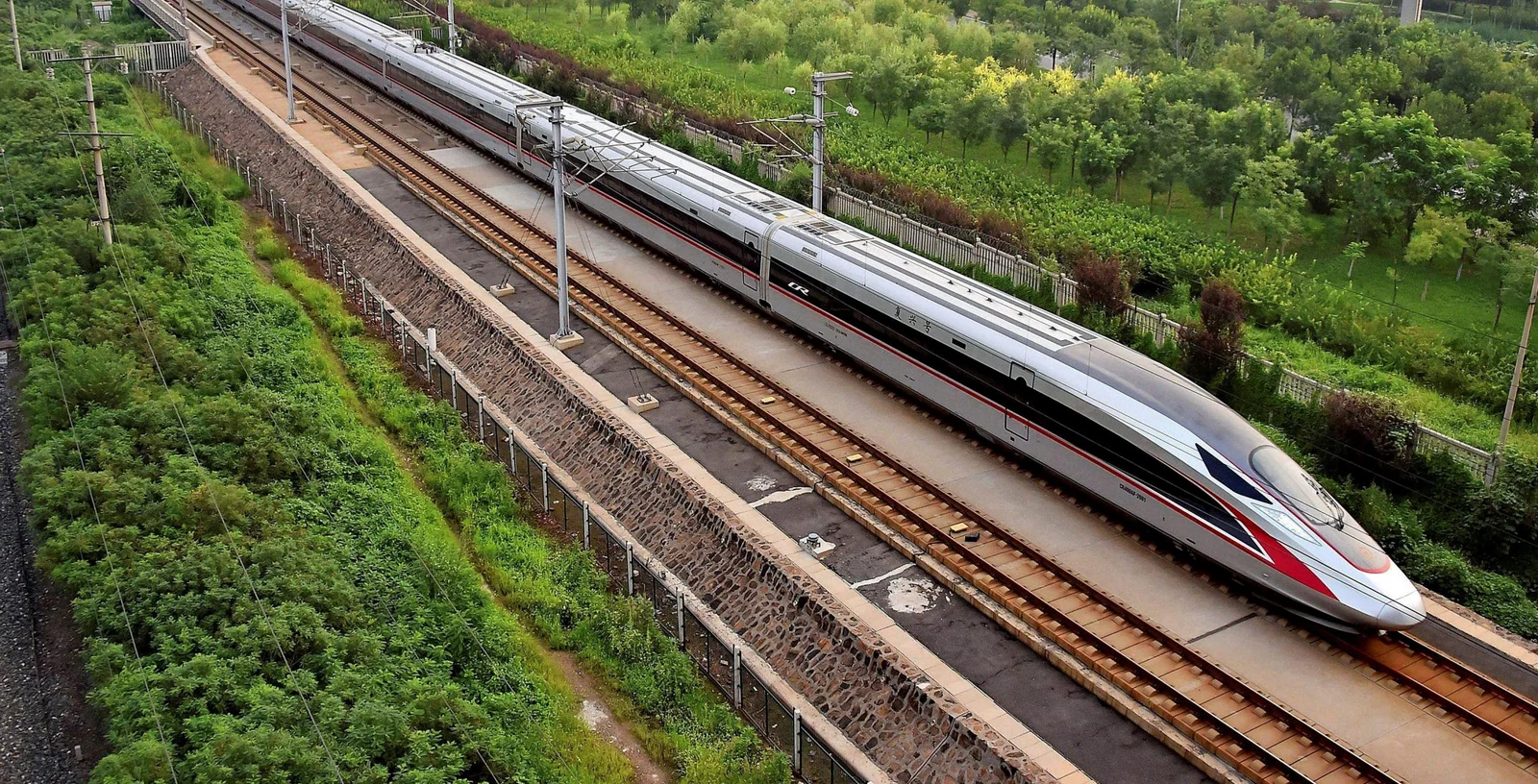
In parallel, the government has also sanctioned four major railway infrastructure projects, reinforcing its commitment to enhancing national logistics and last-mile connectivity. The ₹5,451 crore Itarsi–Nagpur fourth line project, a critical link along the high-density Delhi–Chennai and Mumbai–Howrah corridors, is set to significantly improve freight and passenger movement. The project includes new stations, tunnels, bridges, and overpasses across a 297 km stretch. In the strategic northeast region, ₹1,786 crore has been approved for third and fourth lines between Aluabari Road and New Jalpaiguri. The corridor serves as a vital link to the Siliguri corridor—India’s narrow yet crucial gateway to the northeastern states—near borders with Bhutan, Nepal and Bangladesh. Improved connectivity here will enhance both civilian and defence movement.
In Maharashtra, the ₹2,179 crore doubling of the Chhatrapati Sambhajinagar–Parbhani line is expected to enhance intra-state connectivity, while the ₹1,752 crore Dangoaposi–Jaroli third and fourth lines will facilitate iron ore transport vital for steel production in eastern India. Together, these approvals reflect the government’s emphasis on convergence between agricultural support and transport infrastructure, both critical to rural prosperity and industrial output. While these investments are ambitious in scale, timely execution, equitable access, and ecological balance will remain the true measures of their impact in building a resilient and inclusive economy.
Also Read: SoBo Faces Traffic Surge As Coastal Road Promenade Nears Opening
